


Home

previous arrow
encabezado-aditivos-concreto

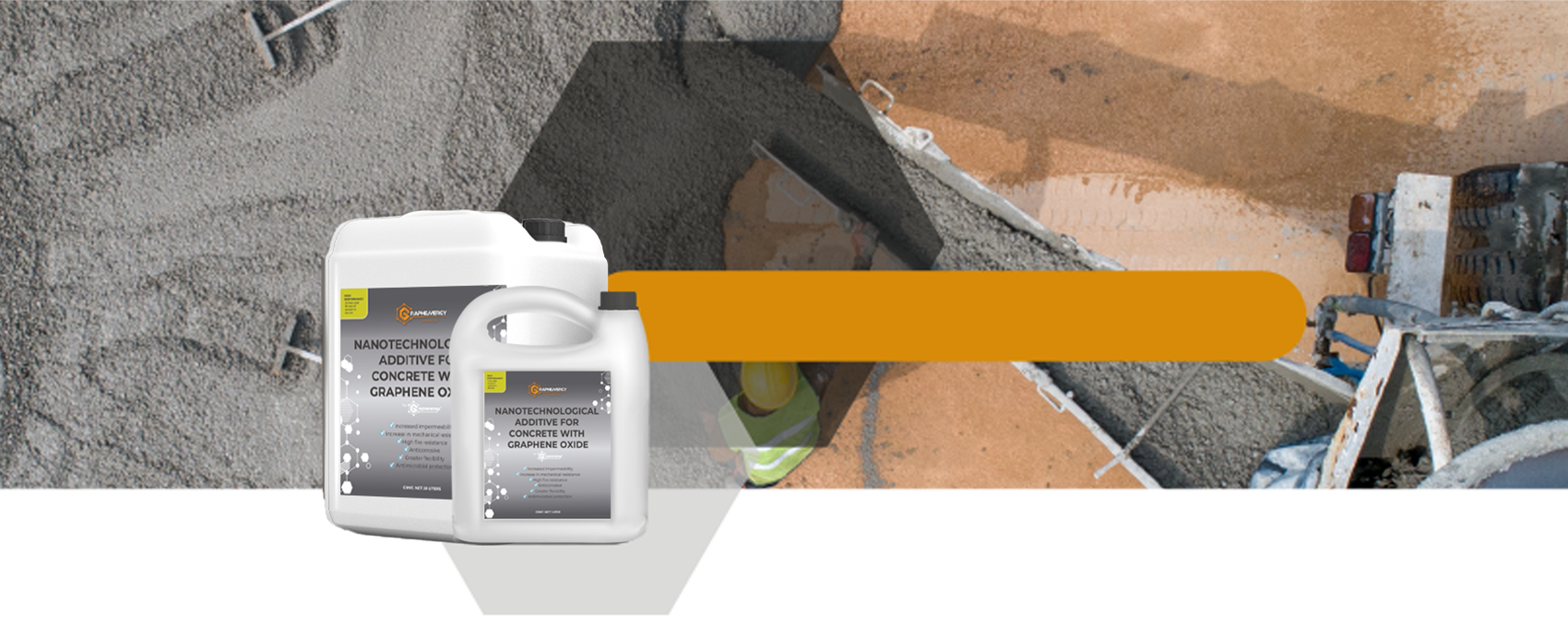
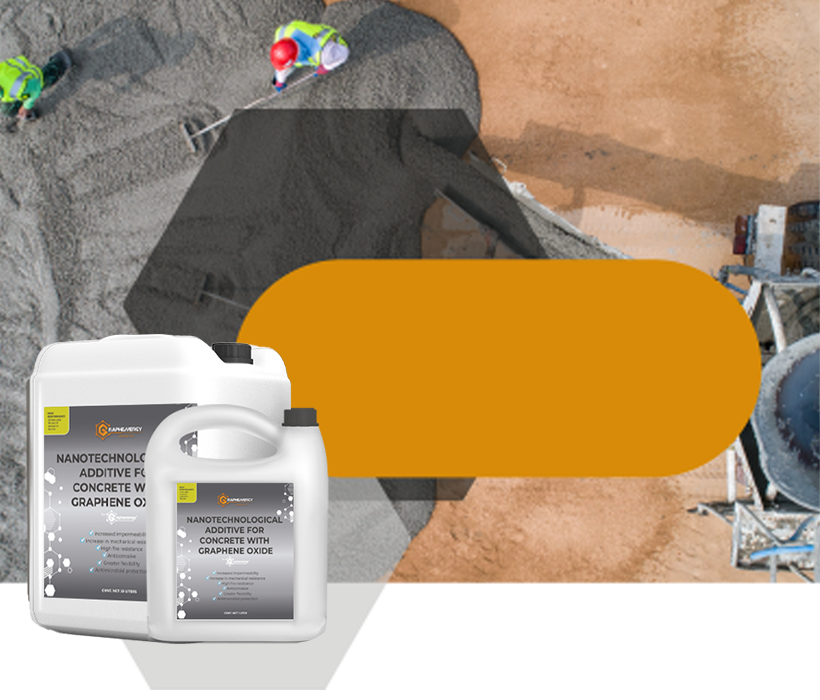
NANOTECHNOLOGICAL ADDITIVE FOR CONCRETE WITH GRAPHENE OXIDE

Improves multiple properties of concrete and mortar with a single additive.

next arrow
previous arrow
encabezado-aditivos-concreto

NANOTECHNOLOGICAL ADDITIVE FOR CONCRETE WITH GRAPHENE OXIDE

Improves multiple properties of concrete and mortar with a single additive.

next arrow

GRAPHENE

The material of the future, today

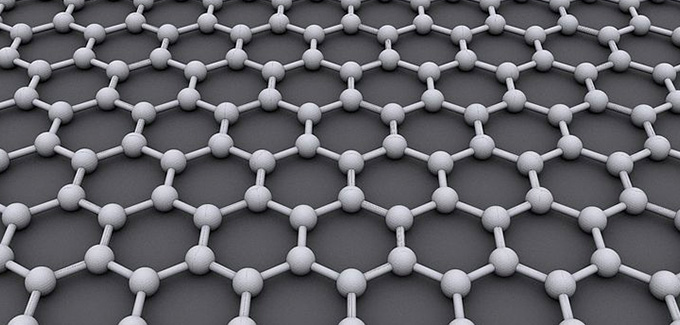
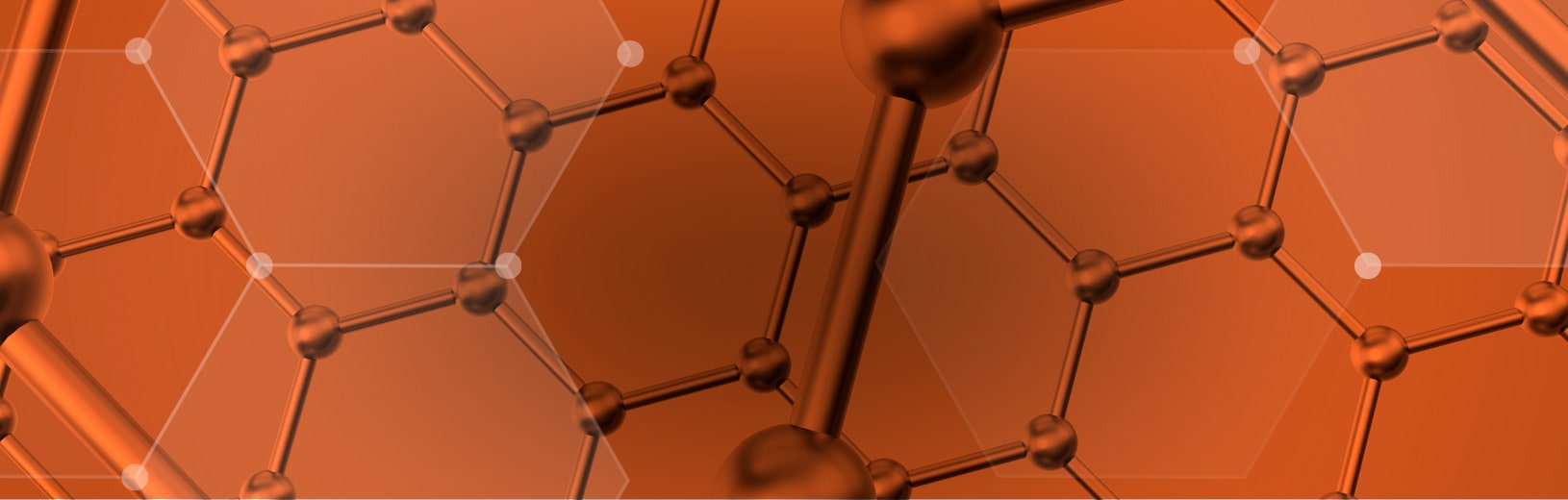
Graphene, a revolutionary nanomaterial, represents the forefront of innovation. Composed of layers of carbon arranged in a hexagonal structure, graphene is extraordinarily strong and lightweight, promising to transform industries with its versatility and unique properties.

History

2004

Andre Geim and Konstantin Novoselov isolate and characterize graphene for the first time at the University of Manchester, earning them the Nobel Prize in Physics in 2010.

2006

A method is developed to produce graphene sheets on a large scale using adhesive tape, known as the exfoliation method.
2008

Researchers demonstrate graphene’s exceptional thermal conduction properties.

2010

The European Union launches the Graphene Flagship Project, a multimillion-dollar initiative to boost research and application of graphene in various industries.

2011

Extraordinary mechanical properties of graphene are discovered, proving to be the strongest known material.

2013

Initial research on the antibacterial properties of graphene begins.

2014

Researchers develop a method to print flexible electronic circuits using graphene inks.

2016

Significant advances are made in utilizing graphene in lithium-ion batteries, opening new possibilities in energy storage.

2018

Graphene synthesis in a liquid phase is achieved, facilitating its application in a variety of materials and products.

2020

Graphene is used in medical applications, such as sensors for disease detection and in the creation of biocompatible materials.

2022

Companies begin to use graphene in consumer products, such as sportswear and electronic devices.

2023

Significant progress is made in the mass production and affordability of graphene, accelerating its integration into various industries.

2024

India launches the Graphene Innovation Center, aiming to create a start-up ecosystem in the field of graphene and 2D materials.

Properties

It is 200 times stronger than steel and is 5 times lighter than aluminum.

It is highly impermeable, even to hydrogen and helium.

Depending on the type of graphene material, it can conduct electricity or be insulating.

It is biocompatible.

It has antimicrobial properties.

It is resistant to UV rays and corrosion.

It can be functionalized to create different graphene materials for each application.

Graphenemex

More Information
El Óxido de Grafeno marca la diferencia

GRAPHENE OXIDE MAKES THE DIFFERENCE

ENHANCE YOUR PRODUCTS WITH OUR TECHNOLOGY

More Details

LATEST NEWS ON GRAPHENE

From Amorphous Carbon to Graphene: Challenges in Producing Graphenic Materials from Waste 
Graphene Oxide Plastics Industry Polymers Solutions with Graphene

From Amorphous Carbon to Graphene: Challenges in Producing Graphenic Materials from Waste 

Graphene, a two-dimensional sheet of carbon atoms arranged in a hexagonal lattice, possesses exceptional mechanical, electrical, and thermal properties that make it highly valuable for science and industry. Its traditional production from graphite or gases such as methane has now expanded to include new carbon sources like biomass and plastic waste.
Read More
Graphene Nanotechnology: Transforming Glass into a Multifunctional Material 

Graphene Oxide Solutions with Graphene

Graphene Nanotechnology: Transforming Glass into a Multifunctional Material 

Glass, widely used across multiple industries, faces limitations in strength and safety. The incorporation of graphene—whether as a surface coating, within lamination polymers, or as a nanofiller throughout the matrix—offers significant improvements in durability, scratch resistance, and impact resistance. Overall, graphene transforms glass into a safer, more efficient, and higher-value material.
Read More
Performance of Reinforced Concrete with Polymeric Macrofibers and Graphene Oxide: Results Report Graphenergy® Construction
Graphene Oxide Solutions with Graphene

Performance of Reinforced Concrete with Polymeric Macrofibers and Graphene Oxide: Results Report Graphenergy® Construction

This report presents the performance results of concrete reinforced with Graphenergy® polymeric macrofibers, engineered with graphene oxide to enhance compatibility, bonding, and strength. ASTM C78 and C1609 tests show that after cracking, the concrete retained between 69% and 94% of its original strength and exceeded the minimum residual strength specification by more than 300%. These findings confirm that Graphenergy® macrofibers provide an effective three-dimensional reinforcement, significantly improving toughness and crack control in concrete from early ages.
Read More
Hydrogels and Graphene: The Technological Fusion Revolutionizing Materials Science 

Exfoliated Graphene Graphene Graphene Oxide Health Industry Solutions with Graphene

Hydrogels and Graphene: The Technological Fusion Revolutionizing Materials Science 

Hydrogels are versatile materials with high water absorption capacity and properties that make them ideal for biomedical, environmental, and industrial applications. The incorporation of graphene and its derivatives has significantly enhanced their mechanical, electrical, and stimuli-responsive characteristics. This article explores the evolution, classification, and properties of hydrogels, and how their integration with nanomaterials like graphene is unlocking new possibilities for the development of smart and sustainable devices.
Read More
Conductivity and Control: Graphene in the Evolution of Antistatic Materials

Graphene Oxide Plastics Industry Polymers Solutions with Graphene

Conductivity and Control: Graphene in the Evolution of Antistatic Materials

Over time, static electricity has proven to be a significant risk in plastic materials, particularly in sensitive industrial applications. To mitigate this effect, antistatic additives have been developed, among which graphene stands out for its ability to drastically reduce electrical resistivity in polymers such as PLA, PET, PVC, and rubber. These advances position graphene as an effective and versatile solution for developing plastics with enhanced antistatic properties.
Read More
Graphene and Bioplastics: Innovation for Enhanced Sustainability
Graphene Oxide Polymers Solutions with Graphene

Graphene and Bioplastics: Innovation for Enhanced Sustainability

The growing environmental awareness and sustainable development goals have driven the bioplastic industry, with polylactic acid (PLA) emerging as a biodegradable alternative to traditional polymers. However, its mechanical and barrier limitations have led to the use of reinforcements such as graphene, which significantly enhances its strength, impermeability, and antimicrobial properties.
Read More
View all
Graphene Materials

LEARN MORE ABOUT THE GREAT BENEFITS THAT GRAPHENE MATERIALS CAN OFFER TO YOUR INDUSTRY

See More