The world of dental materials is extensive and complex, encompassing a wide variety of materials from metals, ceramics, polymers, surgical, cements, impressions, and others, that have naturally progressed over time to provide greater mechanical functionality, aesthetics, biological, and/or microbiological performance.
In this evolutionary context, biomaterials science explores the use of graphene and its derivatives in dentistry due to their extraordinary theoretical properties: mechanical strength (Young’s modulus ~1 TPa), electrical conductivity (electron mobility >15,000 cm²/V·s), thermal conductivity (~5000 W/m·K), and chemical stability. These position graphene as an excellent candidate for developing restorative materials, bioactive cements, or those with improved adhesion or antimicrobial capacity, contributing to greater durability, better infection control, and long-term treatment success.
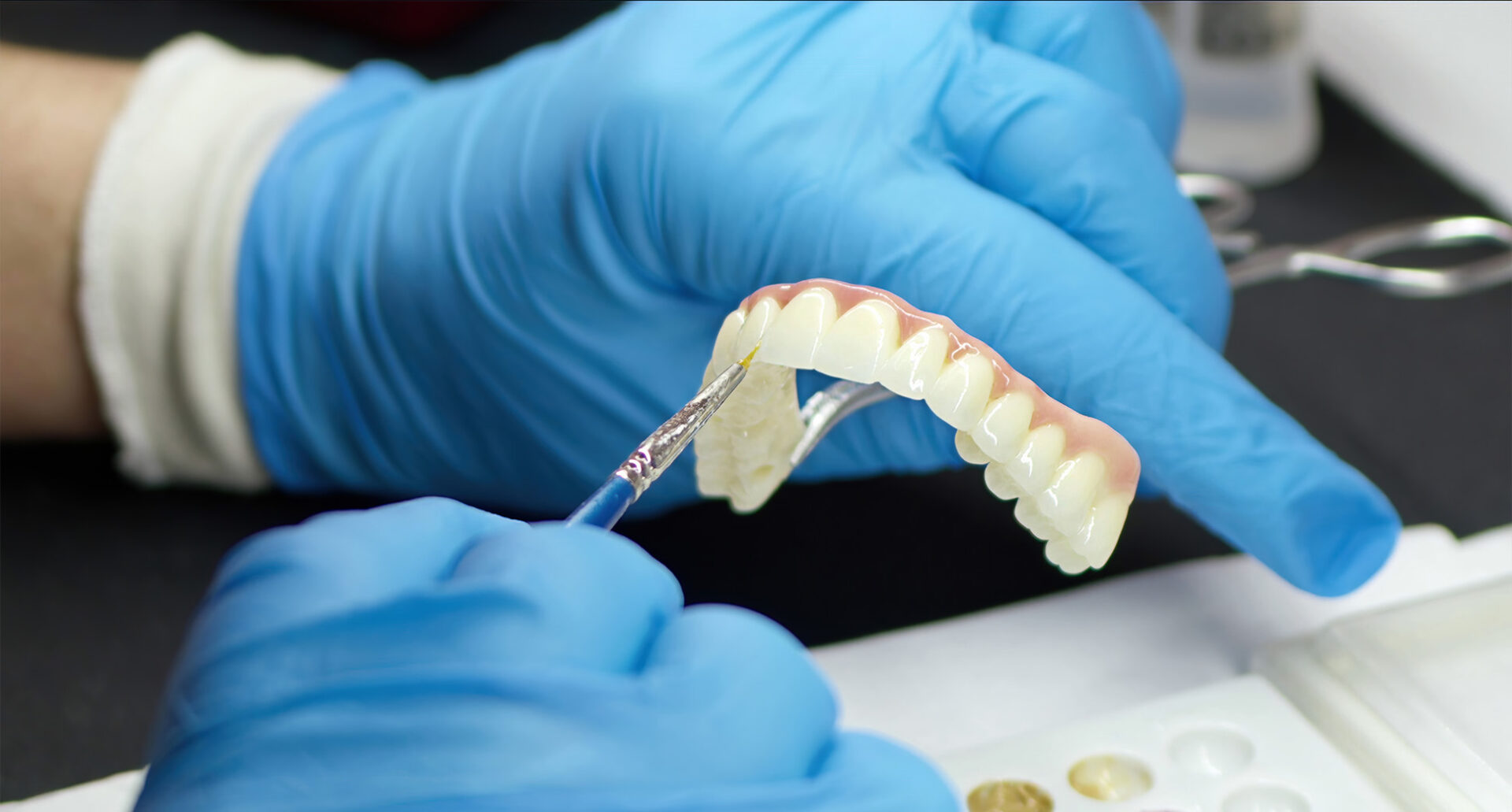
A widely used acrylic resin for manufacturing orthodontic and prosthetic appliances—and a research subject—is polymethyl methacrylate (PMMA). Due to its mechanical limitations and high contamination susceptibility, modifications have been evaluated, such as glass fiber, zirconia, titanium dioxide, graphene, and biocidal additives. Graphene stands out for its contributions to fracture resistance, dimensional stability, and reduced biofilm formation.
Biosafety is a primary concern for new materials. For graphene, this depends on its surface chemistry, concentration used, and whether particles are free or embedded in a polymer matrix, directly influencing interaction with surrounding tissues. In dental resins, toxicity often stems from leaching unreacted monomers and fillers, but this is mitigated by proper curing—via UV photopolymerization or thermal treatment—as per manufacturer specifications.
At appropriate concentrations, graphene leads to a denser polymer network, reduced monomer leaching, and improved biocompatibility. This enhances rigidity, compressive strength, and reduces wear rate for better durability through mechanisms such as:
Absorbing incident light to promote photo initiator radicals,
Facilitating energy or charge transfer to accelerate polymerization,
Providing nucleation sites for cross-links,
Reducing thermal expansion coefficient for long-term stability.
In Latin America, national graphene production and application are consolidating. In this scenario, the graphene produced by the Mexican company Energeia Fusion, under the brand Graphenemex®, since 2018 has undergone systematic studies for mechanical and antimicrobial properties in various materials. In 2023, the Nanomaterials Laboratory of the Master’s Program in Dental Sciences of the Faculty of Stomatology of the UASLP, incorporated it into research lines to analyze its effects in PMMA matrices, focusing on mechanical performance and biosafety in dentistry.
Investigations were conducted in two master’s projects directed by Dr. Juan Carlos Flores Arriaga, following ISO 7405 guidelines for biocompatibility evaluation of dental products and materials, and ADA No. 12 requirements for physical and chemical test methods of denture base resin materials.
Properties evaluated in PMMA modified with Graphenemex® graphene included:
1. Fracture resistance via stress, elasticity, and hardness analysis,
2. Characterization by microscopy (physical appearance), spectroscopy (molecular composition), and contact angle (liquid interaction changes),
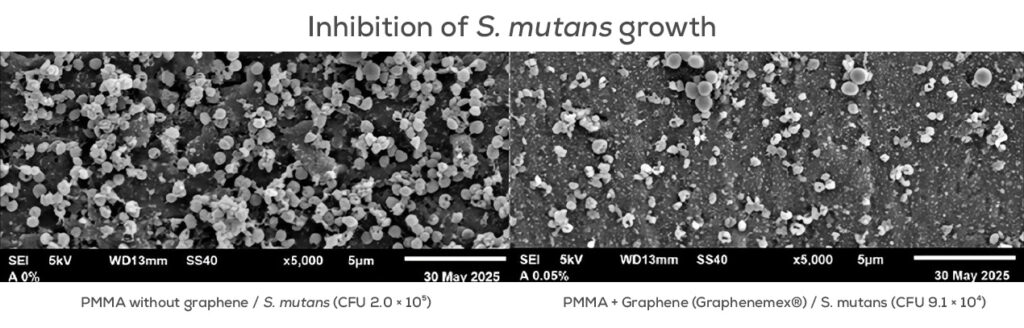
3. Antimicrobial capacity against main caries causative Streptococcus mutans, and others like Streptococcus sobrinus and Streptococcus oralis, associated with caries and biofilm (dental plaque),
4. In vitro cytotoxicity assays on fibroblasts L-929 per ISO 10993-51.2009 (E) for medical device safety.
Experimental results confirmed that Graphenemex® graphene in PMMA caused no harmful chemical changes to polymeric integrity but significant improvements in mechanical performance — 90-150% over conventional PMMA — meaning less deformation during chewing, greater wear and fracture resistance.
Additionally, increased hydrophobicity (per contact angle), microbial growth inhibition (mainly S. mutans), and scanning electron microscopy observations confirmed enhanced antimicrobial capacity, anti-biofilm properties, and—crucially—no compromised biocompatibility, as cytotoxicity tests showed no toxicity across evaluated concentrations.
In conclusion, proper incorporation of Graphenemex® graphene endows PMMA with effective antimicrobial properties without toxicity, positioning it as a multifunctional dental biomaterial with mechanical, biological, and preventive advantages against oral biofilm-related pathologies. This supports its clinical potential in prosthetic rehabilitation, orthodontics, and orthopedics.
De Toledo, P.T.A.; Nunes, G.P.; Ferreira, M.F.; Martins, T.P.; Peres, G.R.; Soares, D.G.; Esteves-Oliveira, M. Bonding Behavior of Graphene-Based Enhanced Restorative Materials: A Systematic Review and Meta-Analysis. Int. J. Adhes. Adhes. 2025, 141, 104046.
Ben Ammar, T.; Roman, T.; Ba, H.; Ball, V.; Kharouf, N. Graphene and Related Materials: Properties and Applications in Dentistry. Materials 2025, 18, 5365. https://doi.org/ 10.3390/ma18235365
Saghiri, M.A.; Saini, R.S.; Kuruniyan, M.S.; Mosaddad, S.A.; Heboyan, A. Graphene and Its Modifications for Enhanced Adhesion in Dental Restoratives: A Molecular Docking and Dynamics Study. Sci. Rep. 2025, 15, 9455.
Janji´c, K.; Valentova, A.; Arellano, S.; Unterhuber, A.; Krause, A.; Oberoi, G.; Unger, E.; Tabrizi, H.A.S.; Schedle, A. The Impact of Print Orientation and Graphene Nanoplatelets on Biaxial Flexural Strength and Cytotoxicity of a 3D Printable Resin for Occlusal Splints. Dent. Mater. 2024, 40, 1742–1752.
Ahmad, K.H.; Mohamad, Z.; Khan, Z.I. Influence of Graphene Nanoplatelets and Post-Curing Conditions on the Mechanical and Viscoelastic Properties of Stereolithography 3D-Printed Nanocomposites. Polymers 2024, 16, 2721.
Innovation, Market Growth, and the Future of Advanced Materials
Since the late 2010s and early 2020s, graphene—widely regarded as the material of the future—has moved beyond the guarded walls of research laboratories to become a commercial reality. Although cost remains a limiting factor for large-scale adoption, numerous companies around the world have made strong commitments to this technology.
Recent Developments
Research on graphene is continuously evolving, generating ongoing advancements in production methods, material properties, and applications. Significant progress has been reported in the energy sector and in industries such as electronics, where graphene is expected to revolutionize the design of faster and more efficient devices. In medicine, it shows strong potential for early diagnostic tools, drug delivery systems, and tissue engineering. Additionally, graphene is enabling novel industrial applications that promote sustainability and the development of lighter, stronger materials.
Market Projections Toward 2036
According to studies by Market Research Future and Fortune Business Insights—global market research and consulting firms—the graphene market is expected to grow at a considerable rate in the coming years, reaching a valuation of several billion dollars by 2036. This growth will be driven primarily by demand from the electronics, energy, and composite materials sectors.
British firm IDTechEx, a leader in research on emerging and disruptive technologies, also forecasts accelerated growth in commercial graphene applications, particularly in sustainable technologies such as graphene-based batteries and supercapacitors, which are expected to deliver superior performance compared to current solutions.
Leading Companies in Graphene Development
Major technology companies such as Samsung and Huawei have invested significant resources in graphene research. Samsung, through the Samsung Advanced Institute of Technology (SAIT), has focused primarily on graphene-enhanced lithium batteries, aiming to increase capacity by up to 45% and charging speed by as much as five times. Huawei, meanwhile, has concentrated on graphene’s heat dissipation capabilities, which are critical for maintaining the performance of smartphones and tablets.
The multinational mining company BHP, through BHP Mitsubishi Alliance (BMA), signed an agreement to test a graphene-based coating under the ecosparc® brand by Sparc Technologies at its coal handling and processing facilities at the Goonyella Riverside mine in Queensland. The objective is to gather data on performance under extreme corrosion conditions.
Similarly, the Spanish multinational energy and petrochemical company Repsol has invested in Graphenea—one of the most well-known graphene companies—to advance research in batteries, thermal coatings, and other materials aimed at improving energy efficiency and developing new applications.
Other notable players include Luxembourg-based OCSiAl, which specializes in the synthesis of graphene nanotubes and offers performance-enhancing additives under the TUBALL™, TUBALL™ MATRIX, and TUBALL™ BATT brands. The Australian company First Graphene, known for its PureGRAPH® product line, supplies graphene raw materials and masterbatches for product development.
In Latin America, the most prominent company is Energeia Fusion (Mexico), which operates under the Graphenemex® and Graphenergy® brands. The company supplies graphene and graphene oxide as raw materials for new product development and creates applications for the construction, coatings, and plastics industries. In parallel, it collaborates with universities to promote multiple research lines, achieving notable results in dentistry, batteries, and conductive coatings. Energeia Fusion also offers consulting services for companies interested in integrating graphene technology into their products or services.
Other companies in the Americas include ACS Material and NeoGraf (USA), UCSGraphene and Gerdau Graphene (Brazil), and Graphenestone (Spain). El grafeno representa una de las innovaciones más emocionantes en el ámbito de materiales avanzados, con el potencial de revolucionar múltiples industrias.
Conclusion
Graphene represents one of the most exciting innovations in the field of advanced materials, with the potential to transform multiple industries. Market projections are highly promising, and an increasing number of companies are recognizing the value of this material. As research and development continue to advance, it is increasingly likely that graphene will become an integral part of everyday life soon.
The New Frontier Between Technology, Health, and Materials Science
Graphene has revolutionized wearable technology by enabling flexible and highly sensitive sensors capable of monitoring medical parameters in real time. This nanomaterial stands out for its piezoresistive properties, allowing it to detect movement and pressure without sacrificing comfort. Moreover, its versatility enables interaction with a wide range of materials, enhancing the conductivity and flexibility of wearables. Among these materials, polymers, metallic nanoparticles, and other carbon-based compounds play a central role. Finally, the production of graphene involves various methods, and its properties can be optimized through combinations with other materials.
At the beginning of the 21st century, wearable technology seemed like a concept from science fiction. However, growing awareness of health and wellness accelerated its evolution to the point that today, wearables are not only real devices but, for many users, essential items—particularly in the medical field, where some wearables can monitor key parameters such as glucose, oxygen, or heart rate for real-time medical tracking. It is expected that, in the near future, these devices will go beyond data collection; with the integration of artificial intelligence, they will also interpret and provide personalized recommendations to address specific situations. Naturally, this progress also brings ethical and security concerns that must be properly addressed and safeguarded.
Graphene-Based Wearables
Strictly speaking, graphene is a nanomaterial composed of one or several layers of carbon atoms arranged in a hexagonal lattice. In practical terms, these structural characteristics allow it to act as an excellent piezoresistive material, as its electrical resistance can vary significantly under mechanical deformation.
“When a graphene sensor is stretched or deformed, the distance and overlap between its carbon atoms change, altering electron mobility and consequently its electrical resistance. This effect, known as piezoresistance, forms the basis for detecting forces, pressures, and movements in flexible sensors used in wearables.”
Thanks to its excellent ability to interact with various materials, graphene serves as an ideal base for developing sensors capable of detecting motion, temperature, or pressure without compromising comfort or flexibility in the garments that incorporate it.
What Materials Interact Well with Graphene?
Graphene is an extremely versatile material capable of interacting through covalent bonds, π–π interactions, Van der Waals forces, or hydrogen bonding, depending on the type of material it is combined with — including metals, ceramics, biomaterials, and polymers, among others.
In wearable technology, graphene exhibits excellent compatibility with polymers such as thermoplastic polyurethane (TPU), which allows materials to stretch, bend, or be washed without losing conductivity; with metallic nanoparticles like gold and silver, which enhance conductivity while maintaining flexibility; with carbon nanotubes, which help form a more stable and motion-sensitive network; and with other carbon materials such as carbon black, which fosters the creation of a hybrid conductive network acting as a bridge between graphene sheets, improving resistance sensitivity when the structure is deformed.
How Is a Graphene Wearable Manufactured?
The first step in manufacturing these products is to synthesize or produce graphene, either by chemical vapor deposition (CVD), mechanical exfoliation, or chemical oxidation. It is important to note that graphene produced by each of these methods has distinct characteristics, making it essential to understand their technical capabilities. Additional functionalization with other materials can also be considered to enhance performance.
Once the graphene material—with or without modifications—is ready, the next step is to integrate or immobilize it within a flexible matrix such as polydimethylsiloxane (PDMS) or polyurethane (TPU). This allows the sensor to be applied as a thin film on another substrate (e.g., textile) and connected via electrodes to electronic circuits for signal acquisition and processing. When in motion, the sensor deforms, changing its electrical resistance and converting this into digital data to monitor movement, pressure, and other parameters.
Research Advances in Graphene Wearables
2025 – University of Cambridge, together with the Capital Medical University and Beihang University (China), developed a graphene-based system for sleep monitoring integrated into washable, skin-compatible smart garments. The system detects laryngeal vibrations through a six-channel strain sensor matrix placed on a neck fabric to recognize and analyze sleep patterns.
2022 – University of Pennsylvania, researchers developed a PDMS-graphene patch for body temperature monitoring, achieving a 24% improvement in thermal conductivity. Combined with a data analysis software for smart terminals, it enabled real-time health monitoring with strong potential for public health applications, such as during the COVID-19 pandemic.
2021 – Wuhan University (China), scientists from the School of Mechanical and Power Engineering created flexible graphene and carbon black sensors with high sensitivity, stability, and excellent strain-to-resistance ratios.
2019 – Graphene Flagship & Institute of Photonic Sciences (Spain), presented one of the first graphene-based wearable prototypes using quantum dots to measure multiple vital signs (e.g., heart rate, respiratory rate, oxygen saturation, UV exposure) through flexible optics, demonstrating graphene’s potential in ultra-light and comfortable optical sensors.
2017 – Tsinghua University & Shanghai Jiao Tong University (China), developed an ultrathin neck device capable of detecting vocal cord movements and emitting sound. Notably, this prototype showed relative resistance changes up to ~150% at ~133 Ω and produced ~75 dB sound output at 0.38 W from a 2 mm distance.
2017 – Sabancı University (Turkey), the Center for Research and Application of Nanotechnology developed a smart garment with graphene textile electrodes for wrist and neck biopotential (ECG) monitoring. Compared to conventional electrodes, the graphene prototype achieved near-clinical performance with superior comfort.
Commercial Developments
Although most research remains at the experimental or prototype stage, several companies have already crossed the threshold from laboratory to market:
GraphWear (USA): Developed a non-invasive graphene-based glucose monitoring wearable, consisting of a thin graphene film attached to the back of a smartwatch or as an adhesive patch worn on the abdomen.
Graphene Newton (India): Launched a line of uniforms and wearables with graphene for health, location, and military performance monitoring.
Versarien (UK): Through its Graphene-Wear™ technology, offers enhanced thermal transfer, superior moisture management, and faster drying while maintaining air and vapor permeability. Recently, it obtained OEKO-TEX® certification, confirming that Graphene-Wear™ is a sustainable technology that meets legal and industry standards without posing risks to human health.
Written by: EF/DHS
References
Y. Chen et al., “Graphene-based wearable piezoresistive physical sensors,” Materials Today, vol. 36, pp. 158-179, 2020. DOI: 10.1016/j.mattod.2019.12.004
K.-Y. Chen, Y.-T. Xu, Y. Zhao et al., “Recent progress in graphene-based wearable piezoresistive sensors: From 1D to 3D device geometries,” Mater. Sci. Eng., 2023.
M.K.H. Chowdhury et al., “Sensing the future with graphene-based wearable sensors,” Sci. Rep., 2024.
F. Saeedi et al., “Recent Advances of Graphene‐Based Wearable Sensors,” Adv. Mater. Interfaces, 2025.
R. Huang et al., “Highly Stretchable and Sensitive SBS/Graphene Composite Fiber for Strain Sensors,” Compos. Sci. Technol., 2019.
J. Li et al., “Flexible, Highly Sensitive, and Wearable Pressure and Strain Sensors with Graphene Porous Network Structure,” ACS Appl. Mater. Interfaces, 2016.
Flexible graphene photodetectors for wearable fitness monitoring.’ Polat et al., Sci. Adv. 2019; 5: eaaw7846.
Huang J, Huang D. Graphene-Enhanced Polydimethylsiloxane Patch for Wearable Body Temperature Remote Monitoring Application. Sensors (Basel). 2022 Dec 2;22(23):9426.
L. Ma, Y. Gao, S. Li, X. Lei, X. Li and F. Liu, “Flexible piezoresistive sensors with 3D CB/graphene conductive networks,” 2021 5th IEEE Electron Devices Technology & Manufacturing Conference (EDTM), Chengdu, China, 2021, pp. 1-3,
Aznar, P.R.D.; Junior, H.L.O. Advances and Applications of Graphene-Enhanced Textiles: A 10-Year Review of Functionalization Strategies and Smart Fabric Technologies. Textiles 2025, 5, 28
The Technological Fusion Revolutionizing Materials Science
Hydrogels are polymeric networks with a hydrophilic structure that allows them to retain large amounts of water in their three-dimensional networks. From their first references in 1900 to the advancements by Wichterle and Lim in the 1960s, hydrogel technology has evolved to become a vital solution in fields such as medicine (for controlled drug or bioactive agent delivery), environmental remediation (for contaminant adsorption or soil restoration), agriculture (for water retention or soil conditioning), food industry (from texturizing agents to smart packaging), and even energy storage, among others.
“In 1900, the term ‘hydrogel’ first appeared in scientific literature to describe a colloidal gel of inorganic salts.”
Hydrogels may be chemically crosslinked through covalent bonds, physically through non-covalent interactions, or via a combination of both. They are classified into natural (including proteins such as collagen and gelatin, and polysaccharides such as starch, alginate, and agarose), synthetic (produced through chemical polymerization methods), and hybrid hydrogels. Synthetic materials have largely replaced natural ones due to better water absorption, longer lifespan, and a broader variety of raw materials.
“The water absorption capacity of hydrogels is due to hydrophilic functional groups attached to their polymer structure, while their resistance to dissolution results from crosslinks between the network chains.”
Hydrogels are mainly known and used for their excellent water absorption capabilities without altering their structure. However, their low mechanical strength and sensitivity to external stimuli such as temperature, light, or electric fields can either enhance or limit their performance in dynamic environments. Some examples include:
Temperature Sensitivity: These hydrogels expand or contract in response to heat or cold, enabling them to release contaminants, drugs, or bioactive agents—ideal for wastewater treatment or medical therapies. Their challenges include long-term stability and precise temperature responsiveness.
Photosensitivity: The integration of photoactive agents into their polymer networks can improve contaminant degradation, activate and release specific drugs, or enhance cellular growth conditions in tissue engineering. However, continuous UV exposure may lead to photodegradation of the material.
Electric Field Sensitivity: Electroactive hydrogels incorporate ionic groups that move and alter the hydrogel’s structure under an electric field, modifying its permeability to allow or block the passage of substances. This is useful for wastewater treatment and controlled water or nutrient release in agriculture. High costs and limited durability remain key challenges.
pH Sensitivity: This is achieved by incorporating ionizable functional groups (carboxyl or amino), which gain or lose protons based on environmental pH, triggering structural changes that allow water absorption or release.
How Does Nanotechnology Enhance Hydrogel Performance?
Nanotechnology—the interdisciplinary field focused on manipulating and manufacturing materials at the atomic and molecular scale (1–100 nanometers)—has made significant contributions to hydrogels, particularly in improving mechanical strength and developing smart functionalities for biomedical and environmental applications.
“To understand the nanoscale, consider that the average thickness of a human hair is approximately 60,000 nm, while a nanometer is one-millionth of a millimeter.”
What Added Value Does Graphene Bring to Hydrogels?
Graphene is a nanometric, two-dimensional (2D) carbon sheet one atom thick, with a structure similar to a benzene ring. It has attracted significant research interest due to its exceptional properties: thermal conductivity, mechanical strength, flexibility, and biocompatibility, among others, which can be transferred to hydrogel matrices.
1. Mechanical Strength:
One of the key limitations of hydrogels is their low mechanical resistance, making them unsuitable for high-stress environments. Graphene can significantly reinforce hydrogel structure, improving durability and mechanical stability.
2. Thermal Stability:
Hydrogels are sensitive to temperature changes, which can affect their performance. Graphene can enhance their thermal stability, maintaining functional properties across wider temperature ranges.
3. Antimicrobial Protection and Biocompatibility:
While hydrogels are generally biocompatible, scientific evidence shows that adding graphene improves their stability and compatibility. Its intrinsic antimicrobial properties also make hydrogels safer for infection-sensitive applications.
4. Electrical Responsiveness:
Graphene’s ability to transmit electrical signals supports cell communication in electrically active tissues (e.g., nerve, muscle, heart). It also enables controlled drug release under voltage stimulation, while minimizing overheating during electrical activation.
Although there are no graphene-based hydrogels commercially available yet, many experimental nanotechnological developments around the world are laying the groundwork for future applications, including:
Spain (2025): A study by the Spanish National Research Council and the National Hospital for Paraplegics used a reduced graphene oxide (rGO) foam scaffold to reconnect severed spinal cords in rats, promoting neuronal reconnection and vascular regeneration.
Argentina (2025): The University of Buenos Aires, CONICET, and INTI developed hydrogels resistant to hydration-dehydration cycles for nanofiltration of viruses, bacteria, fungi, and heavy metals from water.
USA (2023): A study published in Environmental Science & Technology demonstrated that graphene-based hydrogels could remove up to 95% of lead ions from aqueous solutions.
China (2022): Biomaterials Translational published a study on a hyaluronic acid–graphene oxide hydrogel combined with Senexin A for treating vascular occlusive diseases, achieving sustained release over 21 days and good biocompatibility.
USA (2022): In Applied Materials & Interfaces, researchers reported a graphene hydrogel scaffold that promoted cartilage regeneration with type II collagen expression and stable cellular growth.
Spain (2018): Researchers at the University of the Basque Country developed a starch–graphene hydrogel for flexible brain implant electrodes. The graphene was stabilized in water using sage extract, which also added antibacterial and electrical properties.
USA (2017): A porous graphene oxide hydrogel developed for water purification showed enhanced contaminant adsorption due to improved stability, nanotransport channels, and hydrogen bonding.
USA (2017): A soft, injectable hydrogel made from PEGDA–melamine and GO improved cardiac function in rats with myocardial infarction, reducing infarct size and fibrosis while promoting neovascularization.
Conclusion
Graphene-based hydrogels, and those incorporating its derivatives, offer significant structural and functional improvements. Their development represents a leap toward smarter and more adaptive systems in biomedicine, agriculture, and environmental remediation. However, like any emerging technology, widespread adoption will require overcoming regulatory and large-scale manufacturing challenges.
Written by: EF/ DHS
References
Visan, A. I.; Negut, I. Environmental and Wastewater Treatment Applications of StimulusResponsive Hydrogels. Gels 2025, 11 (1), 72.
Yu, K.; Wang, D.; Wang, Q. Tough and SelfHealable Nanocomposite Hydrogels for Repeatable Water Treatment. Polymers 2018, 10, 880.
Lim, S. L.; Tang, W. N. H.; Ooi, C. W.; Chan, E.S.; Tey, B. T. Rapid swelling and deswelling of semiinterpenetrating network poly(acrylic acid)/poly(aspartic acid) hydrogels prepared by freezing polymerization. J. Appl. Polym. Sci. 2016, 133, 9.
Yuan, Z.; Wang, Y.; Han, X.; Chen, D. The adsorption behaviors of the multiple stimulusresponsive poly(ethylene glycol)based hydrogels for removal of RhB dye. J. Appl. Polym. Sci. 2015, 132, 42244.
Thakur, S.; Arotiba, O. Synthesis, characterization and adsorption studies of an acrylic acidgrafted sodium alginatebased TiO₂ hydrogel nanocomposite. Adsorpt. Sci. Technol. 2018, 36, 458–477.
Eraković, Z.; Stefanović, D. Purification of contaminated wastewater with the help of graphene composites with hydrogels. Facta Univ. Ser. Work. Living Environ. Prot. 2022, 19, 27–**.
Wu, R.; Tian, L.; Wang, W.; Man, X. Bifunctional cellulose derivatives for the removal of heavymetal ions and phenols: Synthesis and adsorption studies. J. Appl. Polym. Sci. 2015, 132, 41830.
Zheng, Y.; Zhu, Y.; Wang, F.; Wang, A. GelatinGrafted Granular Composite Hydrogel for Selective Removal of Malachite Green. Water, Air, Soil Pollut. 2015, 226, 354.
Malik, R.; Saxena, R.; Warkar, S. G. Organic Hybrid Hydrogels: A Sustenance Technique in WasteWater Treatment. ChemistrySelect 2023, 8, e202203670.
Berg, J.; Seiffert, S. Composite hydrogels based on calcium alginate and polyethyleneimine for wastewater treatment. J. Polym. Sci. 2023, 61, 2203.
Singh, R.; Datta, B. Advances in Biomedical and Environmental Applications of Magnetic Hydrogels. ACS Appl. Polym. Mater. 2023, 5, 5474.
Tang, S. C. N.; Yan, D. Y. S.; Lo, I. M. C. Sustainable Wastewater Treatment Using Microsized Magnetic Hydrogel with Magnetic Separation Technology. Ind. Eng. Chem. Res. 2014, 53, 15718.
Wahid, F.; Zhao, X.J.; Jia, S.R.; Bai, H.; Zhong, C. Nanocomposite hydrogels as multifunctional systems for biomedical applications: Current state and perspectives. Composites Part B: Engineering 2020, 200, 108208.
Bao, R.; Tan, B.; Liang, S.; Zhang, N.; Wang, W.; Liu, W. A ππ conjugationcontaining soft and conductive injectable polymer hydrogel highly efficiently rebuilds cardiac function after myocardial infarction. Biomaterials 2017, 122, 63.
Maturavongsadit, P.; Wu, W.; Fan, J.; Roninson, I. B.; Cui, T.; Wang, Q. Grapheneincorporated hyaluronic acidbased hydrogel as a controlled Senexin A delivery system. Biomater. Transl. 2022, 3 (2), 152–161.
Lyu, C.; Cheng, C.; He, Y.; Qiu, L.; He, Z.; Zou, D.; Li, D.; Lu, J. Graphene hydrogel as a porous scaffold for cartilage regeneration. ACS Appl. Mater. Interfaces 2022, 14 (49), 54431.
T. Sawyer, Principles of Nanotechnology, Murphy & Moore Publishing, 2022.
Biocompatibility and Biodegradability of Graphene:
Advances and Scientific Evidence
Graphene is widely recognized for its exceptional properties and its potential to revolutionize various industries. However, as a relatively recent technology with emerging applications, concerns have arisen regarding its impact on human health and the environment. Therefore, it is essential to analyze scientific studies that have evaluated its biocompatibility and biodegradability, providing evidence of its safety and behavior in different biological systems.
Biocompatibility: Defined as the absence of allergic or immune adverse reactions to a material in the body
Over the past decade, multiple studies have demonstrated that graphene and its derivatives can be biocompatible under certain conditions. Research on its interaction with blood, cell differentiation, kidney function, neuronal activation, and bone regeneration has yielded positive results. The following key findings stand out:
2012 – Compatibility with blood and macrophage response. The nanotoxicity of graphene on macrophages was evaluated based on its effects on metabolic activity, membrane integrity, oxidative stress induction, hemolysis, platelet activation and aggregation, coagulation cascade, cytokine induction, and immune cell activation and suppression.
Results indicated that while graphene does interact with macrophages, toxicity is significantly reduced through surface functionalization. Regarding blood compatibility, both functionalized and non-functionalized graphene exhibited excellent compatibility with red blood cells, platelets, and plasma coagulation pathways, with minimal alteration in cytokine expression by human peripheral blood mononuclear cells. Additionally, no premature immune cell activation or suppression was observed up to a relatively high concentration of graphene (75 μg mL⁻¹) after 72 hours of in vitro incubation.
Conclusion: Possible graphene toxicity can be easily avoided through surface functionalization.
A. Sasidharan, et. al., Hemocompatibility and Macrophage Response of Pristine and Functionalized Graphene, Small, 2012, 8, 1251
2014-Cardiac cell differentiation. The effect of graphene on the cardiomyogenic differentiation of human embryonic stem cells (hESCs) was analyzed. Graphene was synthesized via CVD and deposited on vitronectin-coated glass, a multifunctional protein found in plasma, platelets, and the extracellular matrix, to ensure hESC viability. Cells were cultured for 21 days, and results showed that graphene promoted the expression of genes involved in gradual differentiation into mesodermal and endodermal lineage cells and subsequently into cardiomyocytes, compared to cultures on glass without graphene.
Conclusion: Graphene can provide a platform for developing stem cell therapies for heart diseases by enhancing the cardiomyogenic differentiation of human embryonic stem cells.
Tae-Jin Lee, et. al., Graphene enhances the cardiomyogenic differentiation of human embryonic stem cells, Biochem Biophys Res Commun, 2014, 452(1):174
2016-Impact on kidney function. The effect of intravenously administered graphene oxide (GO) on the kidneys of mice was studied. Results showed that GO was excreted through urine, indicating rapid transit through the glomerular filtration barrier (GFB) without nephrotoxicity. The analysis concluded an absence of kidney function impairment up to one month after GO injection at increasing doses. Histological examination found no damage to the glomerular and tubular regions of the kidneys. Ultrastructural analysis also revealed no damage or changes in podocyte slit size, endothelial cell fenestra, or glomerular basement membrane width. Endothelial and podocyte cultures restored their barrier function after >48 hours of GO exposure, with significant cellular uptake observed in both cell types after 24 hours.
Conclusion: GO is not toxic to the kidneys..
Dhifaf A. Jasim, et. al., The Effects of Extensive Glomerular Filtration of Thin Graphene Oxide Sheets on Kidney Physiology. ACS Nano 2016, 10, 12, 10753
2018-Effect on Neuronal Activation. The effect of monolayer graphene on neuronal activation was evaluated. It was identified that graphene modifies membrane-associated functions in cultured cells, meaning it adjusts the distribution of extracellular ions at the interface with neurons—a key regulator of neuronal excitability.
The observed membrane changes included stronger potassium ion currents and a shift in the fraction of neuronal activation phenotypes from adaptive to tonic activation. The study’s hypothesis suggested that graphene-ion interactions are maximized when single-layer graphene is deposited on electrically insulating substrates.
Conclusion: Graphene oxide can act as a substrate for neuronal interaction.
N. P. Pampaloni, et. al., Single-layer graphene modulates neuronal communication and augments membrane ion currents, Nat. Nanotechnol., 2018, 13, 755
2018-Adjuvant in the Proliferation of Pulmonary and Neuronal Cells. Graphene oxide “papers” of different sizes and thicknesses were fabricated as a substrate for the culture of human pulmonary and neuronal cells. Their capacity for cell adhesion and proliferation was evaluated, along with a possible cytotoxic response by detecting lactate dehydrogenase (LDH) in cell supernatants.
Conclusion: Graphene oxide can act as a biocompatible cellular substrate for cell growth without cytotoxic effects, opening greater possibilities for tissue engineering, regenerative medicine, and bionic applications.D. A. Jasim, et. al., Graphene-based papers as substrates for cell growth: Characterisation and impact on mammalian cells, FlatChem, 2018, 12, 17
2020- Biocompatibility of Graphene in Dental Materials. The biocompatibility of a graphene-containing restorative material and dental cement was studied on a mandibular defect in an animal model. Cytotoxicity was evaluated in vitro at 24 hours on human dental follicle stem cells and oral keratinocytes. In vivo studies were conducted seven weeks after implantation, including histological analysis of collected bone tissue, plasma biochemistry, oxidative stress assessment, and subchronic organ toxicity analysis.
The in vitro results showed that the materials did not induce toxicity in cells. In vivo, the animal models exhibited no symptoms of acute toxicity or local inflammation. No changes were detected in organ weights, and histological analysis revealed no alterations in liver or kidney tissues. Systemic toxicity of the materials in organs was not observed.
Conclusion: The study provides further evidence of the potential of graphene-based dental materials for bone regeneration and biocompatibility.
A. Dreanca, et. al., Systemic and Local Biocompatibility Assessment of Graphene Composite Dental Materials in Experimental Mandibular Bone Defect. Materials 2020, 13, 2511; doi:10.3390/ma13112511
2022- Risks of Graphene in Microplastics. The study was conducted on a composite of polyamide 6 or Nylon-6, a plastic commonly used in the automotive and sports industries, reinforced with reduced graphene oxide (rGO 2.5%). The material was then subjected to wear to emulate natural processes throughout its useful life, releasing particles approximately between 1.9 µm and 3.2 µm in size. To analyze the effects of the worn particles along the most likely exposure routes, in vitro human cell models of the lungs, gastrointestinal tract, skin, and immune system were used, as well as an animal model to study pulmonary exposure in vivo.
At the end of the study, only limited acute responses were found after exposure to the microplastics in the different models. Only the free rGO induced significant adverse effects, particularly in macrophages.
Conclusion: Microplastics with graphene suggest a low risk to human health. Graphene materials should not be inhaled.
S. Chortarea, et. al., Hazard assessment of abraded thermoplastic composites reinforced with reduced graphene oxide, Journal of Hazardous Materials 435 (2022) 129053.
2023- Pulmonary Function. The biological response, distribution, and biopersistence of four types of graphene in the lungs of mice were analyzed up to 28 days after a single oropharyngeal aspiration. The results showed that none of the materials induced a strong pulmonary immune response, with neutrophils being more effective at internalizing, degrading, and eliminating small graphene sheets (~50nm) than macrophages, as larger sheets (~8µm) may have greater persistence.
Conclusion: Graphene does not cause an inflammatory response in the lungs; however, it is important to consider the size of the sheets, as smaller ones are easier to eliminate from the airways and, therefore, safer.
Thomas Loret, et. al., Lung Persistence, Biodegradation, and Elimination of Graphene-Based Materials are Predominantly Size-Dependent and Mediated by Alveolar Phagocytes, Small, 2023,19(39): e2301201
2024- Pulmonary and Cardiovascular Function. An in vivo study was conducted to evaluate the effect of graphene oxide inhalation on pulmonary and cardiovascular function in healthy humans. For the trial, 14 volunteers inhaled small and ultrafine graphene oxide sheets at a controlled concentration during two-hour repeated visits. Heart rate, blood pressure, pulmonary function, and inflammatory markers were unaffected regardless of particle size; blood analysis showed few differential plasma proteins, and thrombus formation increased slightly in an ex vivo arterial injury model.
Conclusion: Graphene oxide inhalation can be tolerated and is not associated with apparent harmful effects in healthy humans. The study lays the groundwork for further human studies that examine a larger number of individuals as well as different types and doses of graphene.
Jack P. M. Andrews, First-in-human controlled inhalation of thin graphene oxide nanosheets to study acute cardiorespiratory responses. Nature nanotechonoly, 2024, 19, 705.
Biodegradation: Process by which a substance is broken down by living organisms through enzymatic or metabolic mechanisms
One of the most relevant aspects in evaluating the safety of graphene is its biodegradability. Research conducted under the Graphene Flagship project has demonstrated that graphene and graphene oxide can be successfully degraded, as follows:
2018 – Researchers affiliated with the European Union’s Graphene Flagship project, from institutions such as the National Center for Scientific Research (CNRS) in France, the University of Strasbourg, the Karolinska Institute, and the University of Castilla-La Mancha (UCLM), through studies such as “Dispersibility-Dependent Biodegradation of Graphene Oxide by Myeloperoxidase” (2015), “Graphene Oxide is Degraded by Neutrophils and the Degradation Products Are Non-Genotoxic” (2018), and “Peroxidase Mimicking DNAzymes Degrade Graphene Oxide” (2018), discovered that the enzyme myeloperoxidase (MPO) successfully degrades both graphene and graphene oxide.
Myeloperoxidase (MPO): An enzyme released by neutrophils, cells responsible for eliminating any foreign body or bacteria entering the body, present in the lungs. When a foreign body or bacteria is detected, neutrophils surround it and secrete MPO to destroy the threat.
Professor Andrea C. Ferrari, Head of Science and Technology at Graphene Flagship and Chairman of its Management Panel, stated: “The report on a successful pathway for graphene biodegradation is a very important step in ensuring the safe use of this material in applications. The Graphene Flagship has placed research into the health and environmental effects of graphene at the center of its program from the beginning. These results strengthen our confidence in the potential of graphene for biomedical and technological innovations.”
Cristina Martın, et al., Biocompatibility and biodegradability of 2D materials: graphene and beyond, Chem. Commun., 2019, 55, 5540
This discovery is crucial, as it confirms that graphene is not an accumulative material in the human body or the environment. Instead, it can be naturally processed and eliminated, reducing the risks of long-term toxicity.
Conclusion
Graphene and its derivatives have demonstrated a high degree of biocompatibility and controlled degradability in various scientific studies. While challenges remain, current evidence supports its safety in biomedical, industrial, and environmental applications.
The key to its proper use lies in selecting the right type of graphene and its functionalization, which helps minimize risks and enhance its benefits. Thanks to advances in research, the viability of graphene as an innovative, safe, and sustainable material is becoming increasingly clear, with applications ranging from regenerative medicine to advanced nanotechnology.
The continuous development of scientific studies will further strengthen its position as one of the key technologies of the future, ensuring its responsible and effective implementation across different industries.
the differentiating material for the use of solar energy
Solar energy, being a clean and abundant source, is one of the best renewable energy options. However, despite technological advances, its utilization remains insignificant to date. According to statistics, only 0.015% of solar energy is used for electricity production, 0.3% for heating, and 11% for natural biomass photosynthesis. In contrast, about 85% of global energy needs are met through fossil fuels, which we know are finite and highly polluting resources.
“In 90 minutes, the sun sends enough energy to Earth to satisfy the entire planet’s energy demand for a year”
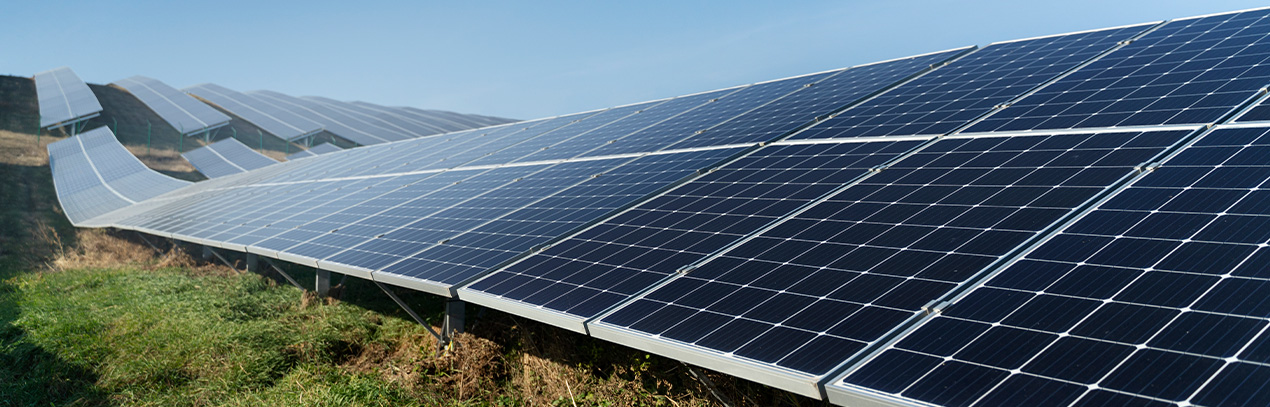
Solar cells are devices that convert solar energy into electricity through the photovoltaic effect. They are made of semiconductor materials that produce an electric field when exposed to sunlight and are divided into four generations:
First Generation
First-generation solar cells were first manufactured in 1954 by Bell Laboratories. They used crystalline films of monocrystalline and polycrystalline silicon with an average thickness of 200 to 300 µm, initially achieving an energy conversion efficiency of 6%, which later rose to 29% with the use of gallium arsenide (GaAs). In fact, these types of cells remain the most popular thanks to their high absorption coefficient.
Second Generation
It employs first-generation cells in conjunction with a new series of considerably thinner films of only 10 µm thickness based on microcrystalline silicon (µC-Si), amorphous silicon (A-Si), copper indium gallium selenide (CIGS), and cadmium telluride/cadmium sulfide (CDTE/CDS). Two advantages of this generation are its cost and mechanical resistance, while its disadvantage is that to achieve these benefits, conversion efficiency had to be sacrificed to some extent, reducing to 23%. Despite this drawback, these types of solar cells are still available in the market.
Third Generation
The high manufacturing cost of silicon cells, resulting from their complex manufacture from high-quality silicon, paved the way for the third generation, which integrates more flexible, lightweight, and economical materials. This is how dye-sensitized solar cells (DSSC), perovskite solar cells (PSC), organic/polymeric solar cells (OPV), quantum dot-sensitized solar cells (QDSSC), and finally, multi-junction solar cells emerged.
Probably the most interesting but also the most complex and expensive cell in this category is the multi-junction cell. As its name suggests, it consists of multiple junctions from various semiconductor materials that produce an electric current in response to different incident wavelengths, thus improving the conversion of sunlight into electricity; so far, the conversion efficiency recorded with these designs is 36%.
Fourth Generation (Hybrid)
This latest generation fuses the flexibility and low cost of polymers with the stability and durability of nanoparticles and metal oxides, as well as carbon nanostructures like graphene.
Graphene Solar Cells
Graphene is a carbon nanostructure with high conductivity, transmittance, mechanical strength, thermal stability, and chemical inertness. It also has a zero band gap structure that allows electron conduction as if it were a metal, as well as the quantum Hall effect that allows its free charges to move easily in two dimensions at high speed.
Thanks to these characteristics, it was discovered that graphene can be used for the manufacture of transparent conductive electrodes, energy harvesting devices, photodetectors, and other optical devices. However, although graphene is an excellent conductor, it does not have the same capacity to collect the electric current produced within a solar cell, unlike its oxidized variant, graphene oxide (GO), which is a less conductive material but more transparent and a better charge collector.
“Graphene has been classified as a semimetallic semiconductor that presents linear electronic dispersion with high mobility and high speeds.”
Another important factor of graphene is its thickness, which in turn depends on its number of layers. For this reason, graphene is classified as monolayer, bilayer, trilayer, few-layer (<5 layers), and multilayer (<10 layers), remembering that more than 10 layers of graphene is already considered graphite. As bilayer and trilayer graphene maintain a better balance between their transmittance and resistance properties, they are the most suitable for use in solar cells, on which ideally a maximum thickness of 20 nm should be maintained.
Applications of Graphene on Solar Cell Components
Transparent Conductive Electrodes (TCE)
The first components in which graphene has shown beneficial impacts are transparent conductive electrodes (TCE). Previously, due to its high conductivity and transmittance in the visible spectrum, indium tin oxide (ITO) was used for TCEs. However, the films tend to be fragile and unstable at high temperatures. Additionally, it’s worth mentioning that indium is an extremely scarce, toxic, and expensive metal. In fact, as the demand for solar cells increased, the price of indium rose to such an extent that the cost of TCEs represented 50% of manufacturing costs. For these reasons, ITO was replaced by fluorine-doped tin oxide (FTO), which is more economical and withstands aggressive chemical treatments at high temperatures.
In addition to FTO, graphene appears as an alternative to overcome the limitations of ITO in solar cell TCEs, as long as the ratio between resistance and transmittance is increased. For this, chemical doping and co-doping of graphene with polymers such as PEN, PEDOT:PSS, gold nanoparticles, silver nanowires, cubic platinum nanoparticles, nitric acid (HNO₃), thionyl chloride (SOCl₂), triethylenetetramine (TETA), graphene oxide (GO), and bis(trifluoromethanesulfonyl)imide (TFSA) have been studied with good results.
Doping: chemical modification to decrease graphene resistance and expand work function.
HNO₃-AuNp: nitric acid-gold nanoparticles.
PEN: poly(ethylene naphthalate): polyester polymer with barrier properties.
PEDOT:PSS: Poly(3,4-ethylenedioxythiophene)-poly(styrene sulfonate) / transparent and conductive polymer.
Photoactive Layers
The photoactive layers of solar cells include active interfacial layers, electron/hole charge separation layers, electron/hole transport layers (ETL/HTL), electron/hole blocking layers, and buffer layers.
According to reports, lithium-neutralized graphene oxide (GO-Li) in interfacial layers improves not only efficiency but also device stability in weathering (heat, air, and humidity) or as an anti-reflective protective film, thanks to its chemical inertness and transparency. Other functionalizations of graphene for photoactive layers include thiolate-reduced graphene oxide (TrGO) and graphene with cadmium sulfide (CdS).
Areas of Opportunity for Graphene on Different Types of Solar Cells
Silicon Solar Cells
Research indicates that the conversion efficiency of graphene solar cells can be improved by incorporating a dielectric passivation layer between the graphene and the silicon substrate to suppress electron diffusion from the latter to the graphene layer. Among the insulating materials that could be used effectively are silicon dioxide (SiO₂), molybdenum disulfide (MoS₂), aluminum oxide (Al₂O₃), graphene oxide (GO), hexagonal boron nitride (h-BN), poly(3-hexylthiophene-2,5-diyl) (P3HT), quantum dots, molybdenum trioxide (MoO₃), and spiroOMeTAD, to name a few.
Organic/Polymeric Solar Cells
In this type of cell, graphene can have three general functions:
1. As an additive in donor or donor-acceptor materials,
2. As a transparent conductive electrode (anode and cathode),
3. As a separate photoactive layer.
Bilayer and trilayer graphene, thanks to their high conductivity, can correct the charge transport problems of the electron donor-acceptor system (P3HT:PCBM) associated with the imbalance of electron and hole mobility to avoid charge trapping and improve efficient collection.
P3HT:PCBM electron donor-acceptor system of polymeric solar cells.
P3HT: conductive polymer
PCBM: fullerene derivative.
Dye-Sensitized Solar Cells
This technology tries to emulate the process of plant cells to produce energy from organic pigments. In them, graphene was initially used to replace FTO in photoanodes, but over time additional advantages were identified in the following components:
Photoanodes: as a transparent conductor for both titanium dioxide (TiO₂) and pigment sensitization; in photoanodes, graphene can improve the charge transport rate, prevent recombination, and increase light capture.
Counter electrodes: as a substitute for platinum,
As a photoanode additive: to improve electron transfer,
Polymer electrodes, in which a polymer (PEDOT-PSS) allows conductivity, while graphene facilitates catalysis.
Photoanode: It is the vehicle for electrons from the photoexcited pigment to the external circuit. It consists of a layer of titanium dioxide (TiO₂) on a conductive glass or plastic substrate.
Counter electrodes: participate in the injection of electrons from the photooxidized pigment into the electrolytes to catalyze reduction reactions.
Perovskite Solar Cells
Perovskite is a mineral composed of calcium and titanium oxide that has been used for the manufacture of solar cells since 2009. Initially, its efficiency was 3.9% but quickly rose to 32%. Despite its good performance, ease of manufacture, and versatility, perovskite solar cells have two major disadvantages. The first is easy degradation in weathering, and the second is toxicity related to the presence of lead, which naturally raises concerns for human and environmental health. It is then that efforts to counteract these drawbacks have focused, on the one hand, on chemically modifying the mineral and, on the other, on encapsulating it to protect it from external conditions.
As with other types of cells, it has also been identified that the presence of graphene or its reduced variant within the photoactive layers (HTL/ETL) of perovskite cells can further improve their efficiency by 14 to 28%. This is because graphene, being an ambipolar material, that is, it can move charges in different directions, can help balance the work function – conductivity, speed up electron extraction, and improve stability in weathering.
Clearly, and as mentioned previously, the functionalization or doping of graphene plays an important role in improving the performance of solar cell components. In the case of perovskite cells, functionalization with metal nanoparticles, metal oxides, and/or perovskite nanoparticles is useful, not only to improve the stability of graphene but to increase the surface area and electrical conductivity throughout the system.
While it is a fact that graphene solar cells are not yet commercially available, some advances have already been reported in this direction. The first of these is the G12 Evolution series from Znshine Solar, composed of three graphene modules which, in 2018, won a contest to provide 37.5 MW of modules to Bharat Heavy Electricals Limited (BHEL), India’s largest power generation equipment manufacturer. According to the contract, 10% of the shipment was graphene-coated solar panels. Subsequently, in 2019, the company signed a contract with Etihad Energy Services of the United Arab Emirates for the supply of 100MW.
Finally, at the end of 2024, the Australian companies Halocell Energy and First Graphene announced an alliance for a two-year project for the manufacture of perovskite solar cells with graphene. The objective was to accelerate the manufacturing process, improve light capture performance, and thus expand production and meet commercial demand. According to published information, graphene perovskite modules are up to five times more efficient and cost-effective than common silicon cells.
Bibliography
Photovoltaic Cell Generations and Current Research Directions for Their Development Materials 2022, 15, 5542;
Recent Advancements in Applications of Graphene to Attain Next-Level Solar Cells. C 2023, 9, 70;
Rational and key strategies toward enhancing the performance of graphene/silicon solar cells. Mater. Adv., 2023, 4, 1876;
Recent Applications of Graphene in Dye-sensitized Solar Cells. Current Opinion in Colloid & Interface Science 20 (2015) 406;
Recent advances of graphene-based materials in planar perovskite solar cells. Next Nanotechnology 5 (2024) 100061;
The Most Versatile Carbon Allotrope with Extraordinary Properties
Carbon is one of Earth’s most abundant elements and vital for living organisms. Known as the “king” of the periodic table, its chemical properties are exceptional due to an electronic structure capable of forming single, double, and triple bonds, allowing it to create up to ten million compounds.
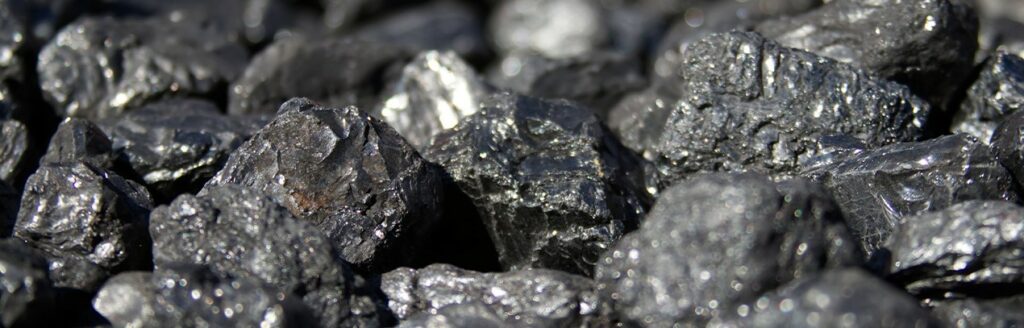
Carbon allotropes are carbon-based materials with different molecular configurations and, consequently, unique properties. For instance, in graphite, a soft, thermally resistant, and electrically conductive material, carbon atoms form three covalent bonds in a hexagonal pattern, arranged in stacked layers loosely bonded together.
Graphite’s common uses include pencils, batteries, and lubricants. Meanwhile, in diamond, an insulating material highly valued in jewelry, carbon atoms are bonded covalently in a tetrahedral structure, giving it extreme hardness used mainly for cutting tools.
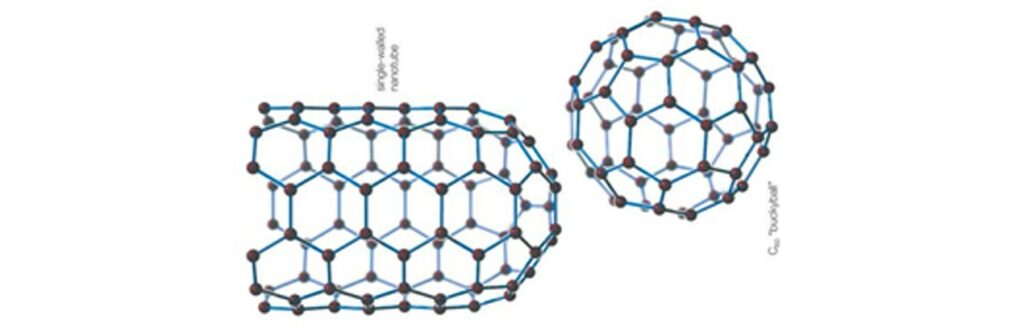
Other lesser-known carbon allotropes are nanometric in size (smaller than 0.1 microns). These include fullerenes, which resemble a soccer ball and can act as semiconductors or superconductors; single- or multi-walled nanotubes, tubular carbon layers known for their strength, elasticity, and conductivity.
Finally, Graphene is a molecule composed of carbon layers similar to graphite, but in isolated blocks of one to ten layers, offering superior properties in mechanical strength, thermal and electrical conductivity, among others.
“Other materials should not be classified as carbon allotropes, e.g., activated carbon and carbon black, defined as carbonaceous materials obtained from carbon-containing raw materials.”
Activated Carbon, or charcoal, resembles graphite but has a rough and porous structure with a significant adsorptive capacity, mainly used to remove pollutants in air or water. Unlike graphite or graphene, which have carbon atoms organized in a hexagonal pattern, activated carbon consists of heptagonal and pentagonal rings with disorganized impurities, often produced by carbonizing biomass like wood, coconut shells, bones, or petroleum coke in the absence of air, followed by partial gasification with steam or carbon dioxide to alter its porosity.
“In activated carbon, ‘activation’ refers to the use of physical or chemical means to increase its porosity and surface area.”
Carbon Black, or soot, is an amorphous carbon colloid made of aggregated nanometric spheres with about 1% organic species. It is obtained from the incomplete combustion of hydrocarbons like petroleum under controlled conditions. Although it shares a carbonaceous nature with activated carbon, its properties depend on particle distance rather than porosity. While activated carbon is valued for its adsorptive properties, carbon black is used as a rubber reinforcement, in conductive pigments, or as a UV stabilizer.
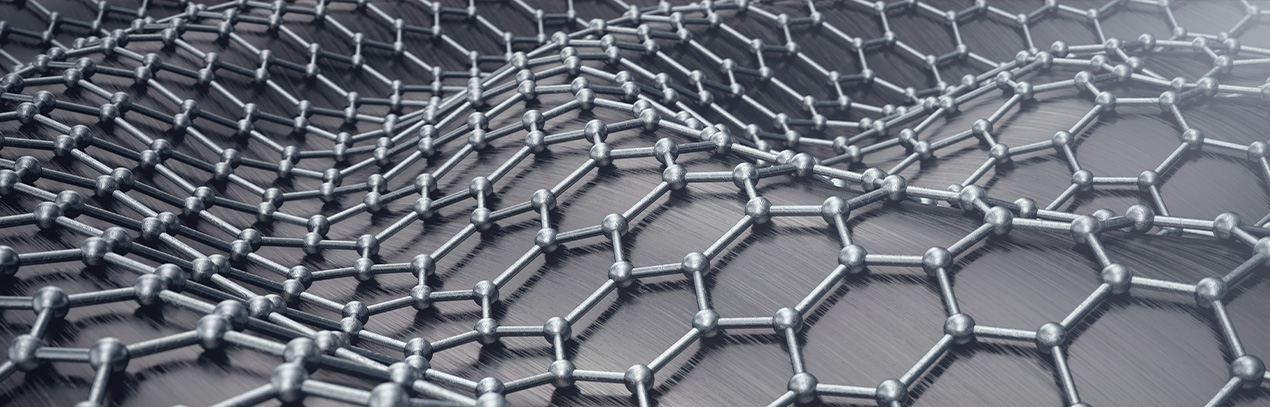
What Makes Graphene a Superior Material? Among carbon allotropes and carbonaceous materials, graphene is the most revolutionary nanomaterial and is considered the fundamental unit of all graphite forms, as it can be curved into fullerenes, rolled into nanotubes, or stacked into graphite. Graphene’s superior properties stem from the strong, organized bonds between its atoms, creating a honeycomb structure that explains its mechanical strength, while a free electron from each carbon atom allows its excellent conductivity.
Graphene’s extraordinary multifunctionality extends beyond its mechanical and conductive properties; it is also extremely lightweight, transparent, impermeable, biocompatible, antimicrobial, anticorrosive, radiation-resistant, and can chemically interact with other substances to share its properties. This adaptability promotes its use in various industries, from construction to enhance concrete properties; recycling and plastics to extend material lifespan; anticorrosive and antimicrobial coatings to increase protective efficiency, to electronics, energy, and biomedical fields, offering benefits tailored to each sector’s needs.
How Is Graphene Produced? There are two main techniques to obtain graphene. The first, known as “bottom-up,” involves Chemical Vapor Deposition (CVD), which extracts carbon atoms from gases like methane. Although well-known, this method is rarely used for industrial production due to low scale and high costs. The second and more common method is “top-down,” involving mechanical, electrochemical, or chemical exfoliation of bulk graphite to isolate carbon or graphene layers. Fewer than 10 layers is considered graphene, while more layers are classified as graphite. Graphene, unlike 3D graphite, has a two-dimensional structure (2D), where thickness is on a nanometric scale. One defining feature is that graphene is just one atom thick.
Energeia-Graphenemex®, a pioneering Mexican company in Latin America focused on graphene material research and production, excels in creating patented methods and processes for scalable graphene production. This ensures availability for developing applications, whether in-house or as a strategic partner with companies interested in innovating and enhancing products with this extraordinary technology.
Towards a More Sustainable and Efficient Cement Industry
Part 2
For the cement industry, reducing CO2 emissions is not a new topic. Over the past 30 years, producers have managed to reduce approximately 40% of the fuel needed for the clinkerization process, thus reducing CO2 emissions by the same proportion, given that around 900 g of CO2 are produced per kilogram of cement.
Over ten years ago, a collaboration between the International Energy Agency, the Global Cement and Concrete Association (GCCA), and the Inter-American Cement Federation (FICEM) established the first roadmap for emission reduction. This laid the groundwork for the National Chamber of Cement (CANACEM), FICEM, and companies such as CEMEX, Cruz Azul, Cementos Chihuahua, Cementos Fortaleza, Holcim México, and Cementos Moctezuma to evaluate emissions and determine strategies for low-carbon cement production.
According to the CANACEM roadmap, the main indicators for CO2 reduction are 1) the Clinker/Cement ratio, 2) co-processing, 3) energy efficiency, and 4) exploring new technologies such as CO2 capture, clinker reduction, and cement reinforcement.
In a previous article addressing environmental challenges in the construction industry and the goal of net-zero CO2 emissions by 2050, key opportunities for graphene nanotechnology in sustainable construction were highlighted, including:
Cement reduction,
Waste utilization,
Cost reduction,
Energy efficiency.
On September 4, the website https://www.graphene-info.com/ published the new edition of the Graphene-enhanced Construction Materials Market Report, which delves deeper into the advantages of using graphene in construction materials, related companies, ongoing projects, and research.
Graphene oxide (GO) is a carbon-based nanomaterial with sheet-like structures smaller than 100 nm or 0.1 microns in width and only one atom thick. It has hydroxyl (OH), epoxy (-O-), carboxyl (COOH), and carbonyl (C=O) functional groups on its surface that allow it to interact with cement C-S-H crystals, improving the hydration process. The properties of GO that make it attractive as a chemical modifier for cement include high tensile strength (130 GPa), large surface area (2630 m²/g), high thermal conductivity (5300 W/mK), and barrier properties. This interaction helps improve the properties of cement-based structures, such as concrete, resulting in the following:
Reduced cement consumption in concrete structures while achieving similar mechanical properties, with compressive strength increased by 5% to 30%, tensile strength by 8% to 20%, elastic modulus by 4% to 12%, and abrasion resistance by 10% to 12%.
Better quality and more durable concrete structures due to lower porosity, increasing impermeability by 12% to 60%, improving performance in aggressive environments.
Enhanced thermal diffusivity of concrete, providing better thermal crack control, fire resistance, and de-icing capability for pavements.
Improved workability, better appearance of structures, faster setting time, and easier mold release, as GO acts as a catalyst in the cement hydration reaction.
Protection against microbiologically induced corrosion, as GO limits the conditions necessary for microbial attachment and reproduction.
Since 2018, Energeia-Graphenemex® has been exploring the benefits of graphene nanotechnology across various industrial sectors. As experts in the field, they recommend conducting validation tests, considering the multiple variables in the construction sector, especially those related to new cement compositions, to achieve optimal dosage results, always guided by trained personnel.
Authored by: EF/DHS
References
M. Murali et al., Utilizing graphene oxide in cementitious composites: A systematic review. Case Studies in Construction Materials 17 (2022) e01359.
Z. Pan, et al., Mechanical properties and microstructure of a graphene oxide–cement composite, Cem. Concr. Compos. vol. 58 (2015) 140–147, https://doi. org/10.1016/j.cemconcomp.2015.02.001
E. Cuenca, L. D’Ambrosio, D. Lizunov, A. Tretjakov, O. Volobujeva, L. Ferrara, Mechanical properties and self-healing capacity of ultra high performance fibre reinforced concrete with alumina nano-fibres: tailoring ultra high durability concrete for aggressive exposure scenarios, Cem. Concr. Compos. vol. 118 (2021).
N. Makul, Modern sustainable cement and concrete composites: review of current status, challenges and guidelines, Sustain. Mater. Technol. vol. 25 (2020); 5. L. Lu, P. Zhao, Z. Lu, A short discussion on how to effectively use graphene oxide to reinforce cementitious composites, Constr. Build. Mater. vol. 189 (2018) 33–41.
Q. Wang, J. Wang, C.-x Lu, B.-w Liu, K. Zhang, C.-z Li, Influence of graphene oxide additions on the microstructure and mechanical strength of cement, N. Carbon Mater. vol. 30 (4) (2015) 349–356.
As of June 2024, the National Institute of Statistics and Geography (INEGI) recorded that around 50% of Mexican territory was in severe drought, 30% in extreme drought, and 11% in exceptional drought, significantly impacting not only the supply of drinking water—only 52.3% of the population in Mexico has this service—but also numerous economic activities such as the agricultural and livestock sectors.
However, the water crisis is not a national issue alone. According to WHO/UNICEF, over 2000 million people worldwide lack access to potable water. These organizations have defined sustainable development goals for 2030 to ensure water availability, critical for improving hygiene education; protecting and restoring ecosystems; using water resources efficiently; investing in infrastructure and sanitation facilities; and promoting new water technologies, such as irrigation systems, rainwater collection, and treatment and reuse methods.
One such technology is nanotechnology, revolutionized 20 years ago by the isolation of graphene, a multifunctional carbon-based nanomaterial in the diamond and graphite family. Numerous studies have evaluated its effects on materials used in water technologies, such as filtration membranes and flocculants. Graphene’s extraordinary physicochemical characteristics, which can be controlled and shared with other three-dimensional materials, sparked interest. Initial studies as a nanofiller in primarily polymeric matrices revealed significant mechanical, antiadhesive, antifriction, antimicrobial, and filtering improvements. These enhancements increased its lifespan, reduced organic matter buildup on surfaces, and maintained consistent water flow and filtration efficiency.
For example, researchers from the Indian Institute of Technology Madras and Tel Aviv University in Israel successfully developed a silica aerogel with graphene oxide for wastewater decontamination. Meanwhile, scientists from Palacký University in Olomouc, Czech Republic, under the 2D-CHEM project funded by the European Research Council’s Graphene Flagship, designed acid graphene synthesized from fluorographene to remove heavy metals like lead and cadmium, as well as noble metals like palladium, gallium, and indium.
Notably, the promising research results on graphene in water technologies have moved from laboratories to the market. Companies exploiting its benefits include the Australian company CLEAN TEQ WATER, specializing in water treatment with presence in Melbourne, Beijing, Tianjin, and Africa. Its subsidiary NematiQ successfully developed graphene nanofiltration membranes that are more durable and energy-efficient, recently receiving the WaterMark certification as a safe product for water filtration. The British company EVOVE, formerly known as G2O Water Technologies, utilizes hydrophilic graphene oxide coatings to enhance the performance of conventional ceramic or polymeric membranes.
Finally, collaborative efforts between Graphene Flagship scientists and European leaders in water purification, such as Icon Lifesaver, Medica SpA, and Polymem S.A, through the GRAPHIL project, aim to introduce a new filtration system using hollow fiber polymer membranes mixed with graphene for safe potable water management, primarily for domestic use.
Graphene’s advancements are gradually gaining ground beyond academic borders to address one of the world’s most pressing issues. Energeia-Graphenemex®, a pioneering Mexican company in Latin America in the production and development of graphene materials applications, collaborates with other companies and research centers to find strategies to improve water availability and quality, aiming to bring new graphene applications to the market in the short term.
Author: EF/DHS
We want to be close to you
We ask for your data to support you in any technical questions you may have.
[contact-form-7 id=”294823″ title=”HS | Aditivos de Concreto – EN”]
We want to be close to you
We ask for your data to support you in any technical questions you may have.
Queremos estar cerca de ti
Pedimos tus datos para apoyarte en cualquier duda técnica que tengas.
We want to be close to you
We ask for your data to support you in any technical questions you may have.
[contact-form-7 id=”d1da5ad” title=”HS | Masterbatch de Tereftalato de Polietileno con óxido de grafeno EN”]
We want to be close to you
We ask for your data to support you in any technical questions you may have.
We want to be close to you
We ask for your data to support you in any technical questions you may have.
Queremos estar cerca de ti
Pedimos tus datos para apoyarte en cualquier duda técnica que tengas.
Queremos estar cerca de ti
Pedimos tus datos para apoyarte en cualquier duda técnica que tengas.
Queremos estar cerca de ti
Pedimos tus datos para apoyarte en cualquier duda técnica que tengas.
Queremos estar cerca de ti
Pedimos tus datos para apoyarte en cualquier duda técnica que tengas.
Queremos estar cerca de ti
Pedimos tus datos para apoyarte en cualquier duda técnica que tengas.
Queremos estar cerca de ti
Pedimos tus datos para apoyarte en cualquier duda técnica que tengas.
Queremos estar cerca de ti
Pedimos tus datos para apoyarte en cualquier duda técnica que tengas.
Queremos estar cerca de ti
Pedimos tus datos para apoyarte en cualquier duda técnica que tengas.
Queremos estar cerca de ti
Pedimos tus datos para apoyarte en cualquier duda técnica que tengas.
Queremos estar cerca de ti
Pedimos tus datos para apoyarte en cualquier duda técnica que tengas.
Queremos estar cerca de ti
Pedimos tus datos para apoyarte en cualquier duda técnica que tengas.
Queremos estar cerca de ti
Pedimos tus datos para apoyarte en cualquier duda técnica que tengas.
Queremos estar cerca de ti
Pedimos tus datos para apoyarte en cualquier duda técnica que tengas.
Queremos estar cerca de ti
Pedimos tus datos para apoyarte en cualquier duda técnica que tengas.