One Atom Thick, Maximum Sensitivity: Graphene to Protect the Air We Breathe 

One Atom Thick, Maximum Sensitivity:

Graphene to Protect the Air We Breathe

Environmental monitoring is essential for understanding air quality and, consequently, for designing policies that protect both human health and the surrounding environment. However, current measurement tools still present technical, operational, and economic limitations that affect the accuracy and availability of data. For this reason, science continues to seek sensors that are not only more sensitive, but also portable, flexible, accessible, and capable of generating real-time, large-scale information. In this search, graphene and its derivatives have emerged as particularly promising materials.  

“According to the World Health Organization (WHO), 99% of the global population breathes air that exceeds recommended quality limits.” 

Properties of Graphene 

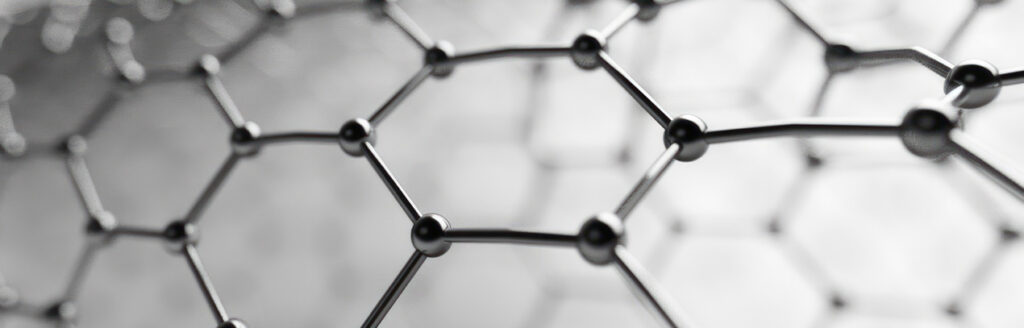
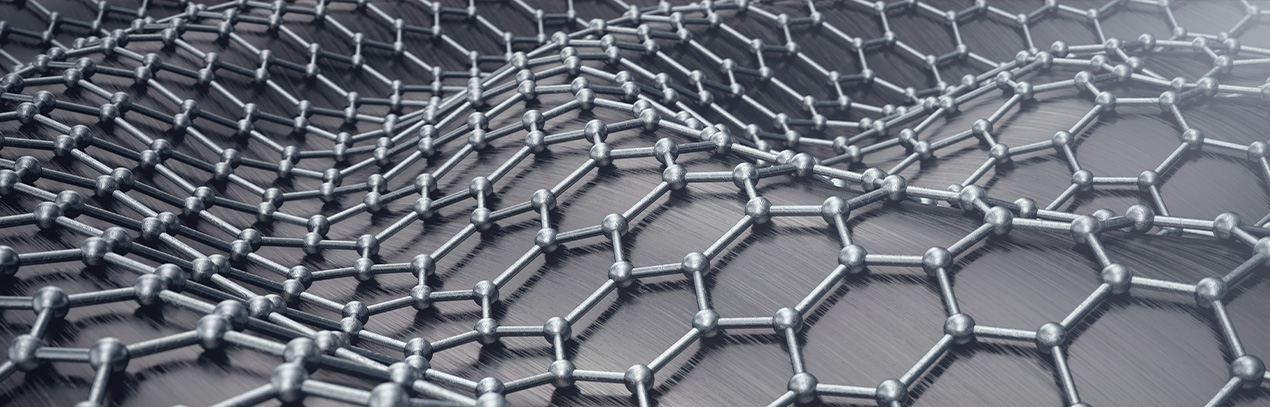
Graphene is a one-atom-thick carbon nanostructure arranged in a hexagonal lattice that, in theoretical terms, has a surface area that can exceed 2600 m²/g and electron mobility greater than 15,000 cm²/V·s. These characteristics are responsible for its high sensitivity to surface changes, enabling it to detect minimal variations when gases or other molecules are adsorbed onto it. 

Unlike conventional metal-oxide sensors that require high temperatures to operate, graphene-based sensors not only improve sensitivity but can also function at room temperature, reducing energy consumption and facilitating their integration into portable devices or smart textiles, as discussed in the article Graphene Wearables: The New Frontier Between Technology, Health, and Materials Science. 

The Evolution of Graphene for Environmental Monitoring 

The foundations for using graphene to design high-sensitivity sensors were established by scientists André Geim and Konstantin Novoselov from the University of Manchester, who received the 2010 Nobel Prize in Physics for isolating this material in 2004. Among their many discoveries, they demonstrated that graphene could respond to extremely small variations in its electronic environment and was even capable of detecting the presence of a single adsorbed atom or molecule of gas. 

These discoveries opened a new landscape for environmental monitoring and accelerated research on graphene. Soon after, it was shown that, for the first time, a material only one atom thick could register electronic variations associated with gases such as nitrogen dioxide (NO₂), ammonia (NH₃), and volatile organic compounds (VOCs), with greater sensitivity than conventional sensors. 

“The potential of graphene as a highly efficient sensor lies in its interaction with gases, which modifies its electrical properties, enabling more precise and sensitive detection.” 

Recent Advances in Graphene for Environmental Monitoring 

Below are several recent research results that illustrate the progress of graphene in the field of environmental monitoring: 

2025-Mexico 

Researchers at the Advanced Nanotechnology Laboratory of the Center for Scientific Research and Higher Education of Ensenada (CICESE), Baja California, Mexico, presented the results of an experimental–computational study on the detection mechanisms of a titanium dioxide (TiO₂)–graphene hybrid for LP gas detection. 

The hybrid, prepared using the atomic layer deposition (ALD) technique — which allows precise ultrathin films of just a few nanometers — showed a clear electrical response to the gas, surpassing the limitations of pure TiO₂ such as high operating temperature and low selectivity. It displayed significant improvements in sensitivity and response speed compared to conventional sensors. 

2025-China 

Scientists at Guangxi Normal University in Guilin used a one-step hydrothermal method to develop a graphene–copper oxide (CuO) hybrid sensor for detecting hexanal, a volatile organic compound related to environmental pollution. 

The new sensor exhibited a resistance change (response) of up to 26% at 100 ppm of hexanal at room temperature, maintaining performance across multiple test cycles and showing minimal interference from other gases — indicating good selectivity. 

2022-India 

Researchers from the Institute of Chemical Technology, the Bhabha Atomic Research Centre (BARC), and the Homi Bhabha National Institute developed a carbon-nanotube/graphene oxide (GO) aerogel for detecting VOCs associated with cancer. 

The hybrid material tripled sensitivity with a detection limit of 70 ppb — much lower than the typical range of commercial metal-oxide sensors. 

The favorable response of GO is attributed to the oxygen-containing groups (~16%) in its structure; however, if the oxygen content is too high (~30%), sensitivity drops significantly because the material becomes more insulating. Moreover, humidity (~60%) can artificially increase the signal, which is why graphene and reduced graphene oxide (rGO) often perform better according to other studies. 

2019-Spain 

 The Nanosensors and Smart Systems (NOySI) group at the Spanish National Research Council (CSIC) prepared resistive sensors made from graphene, graphene oxide (GO), and reduced graphene oxide (rGO) using drop-casting and electrospray techniques on polymeric and silicon substrates. 

These sensors were evaluated for their detection of pollutant gases such as NO₂ and O₃ at room temperature. 

A key conclusion — consistent with other studies — is that not all graphenes behave the same. Their performance depends on their concentration and deposition method. 

GO, being insulating, showed resistance so high that measurement was impossible. 

Graphene and rGO, on the other hand, showed detectable responses starting from just 1 µg. 

2015-Finland 

Researchers from the Department of Micro and Nanosciences at Aalto University, in collaboration with various institutions, developed a prototype epitaxial graphene sensor that detected nitrogen dioxide (NO₂) at concentrations as low as 1 ppb — significantly more sensitive than commercial metal-oxide sensors, which typically require concentrations above 5–10 ppb for reliable signals. 

This improved detection limit, combined with room-temperature operation and nearly zero energy consumption, highlighted the advantages of graphene over traditional materials that require operating temperatures between 150 and 400 °C. 

Conclusion 

This brief timeline shows how graphene is gradually and solidly establishing itself as an important tool for environmental monitoring. 

While most sensors detect gases at concentrations on the order of parts per million (ppm), graphene-enhanced sensors can increase sensitivity to tens of parts per billion (ppb), with the added advantage of room-temperature operation. 

However, despite these advantages, widespread commercialization may still take time. It is still necessary to optimize recovery times, minimize the variability caused by ambient humidity, and develop scalable and reproducible production processes suitable for real-world conditions. 

Written by: EF/DHS 

Referencias 

  1. Rodríguez Hueso, J.E. 2025. Estudio experimental-computacional de los mecanismos de detección del híbrido TiO₂–GR en presencia de gas LP. Tesis de Doctorado en Ciencias. Centro de Investigación Científica y de Educación Superior de Ensenada, Baja California. 87 pp. 
  1. Xiaoni Wei. 2025 J. A room-temperature hexanal gas sensor based on graphene/copper oxide composite. Phys.: Conf. Ser. 3084 012028.  
  1. Biranje, P. M., et. al. 2022. Ultra-fast detection and monitoring of cancerous volatile organic compounds in environment using graphene oxide modified CNT aerogel hybrid gas sensor. Sensors and Actuators B: Chemical, 375, 132934.  
  1. Sanz Montero, Irene. 2019. Preparación de sensores de gases basados en grafeno para la detección de contaminantes atmosféricos. Trabajo Fin de Grado / Proyecto Fin de Carrera, E.T.S.I. Industriales (UPM), Escuela Técnica Superior de Ingenieros Industriales. 
  1. Novikov, S., et. al. 2055. Graphene Based Sensor for Environmental Monitoring of NO2. Procedia Engineering, 120, 586-589 

Graphene Wearables: The New Frontier Between Technology, Health, and Materials Science 

Graphene Wearables:

The New Frontier Between Technology, Health, and Materials Science 

Graphene has revolutionized wearable technology by enabling flexible and highly sensitive sensors capable of monitoring medical parameters in real time. This nanomaterial stands out for its piezoresistive properties, allowing it to detect movement and pressure without sacrificing comfort. Moreover, its versatility enables interaction with a wide range of materials, enhancing the conductivity and flexibility of wearables. Among these materials, polymers, metallic nanoparticles, and other carbon-based compounds play a central role. Finally, the production of graphene involves various methods, and its properties can be optimized through combinations with other materials. 

At the beginning of the 21st century, wearable technology seemed like a concept from science fiction. However, growing awareness of health and wellness accelerated its evolution to the point that today, wearables are not only real devices but, for many users, essential items—particularly in the medical field, where some wearables can monitor key parameters such as glucose, oxygen, or heart rate for real-time medical tracking. It is expected that, in the near future, these devices will go beyond data collection; with the integration of artificial intelligence, they will also interpret and provide personalized recommendations to address specific situations. Naturally, this progress also brings ethical and security concerns that must be properly addressed and safeguarded. 

Graphene-Based Wearables 

Strictly speaking, graphene is a nanomaterial composed of one or several layers of carbon atoms arranged in a hexagonal lattice. In practical terms, these structural characteristics allow it to act as an excellent piezoresistive material, as its electrical resistance can vary significantly under mechanical deformation. 

“When a graphene sensor is stretched or deformed, the distance and overlap between its carbon atoms change, altering electron mobility and consequently its electrical resistance. This effect, known as piezoresistance, forms the basis for detecting forces, pressures, and movements in flexible sensors used in wearables.” 

Thanks to its excellent ability to interact with various materials, graphene serves as an ideal base for developing sensors capable of detecting motion, temperature, or pressure without compromising comfort or flexibility in the garments that incorporate it. 

What Materials Interact Well with Graphene? 

Graphene is an extremely versatile material capable of interacting through covalent bonds, π–π interactions, Van der Waals forces, or hydrogen bonding, depending on the type of material it is combined with — including metals, ceramics, biomaterials, and polymers, among others. 

In wearable technology, graphene exhibits excellent compatibility with polymers such as thermoplastic polyurethane (TPU), which allows materials to stretch, bend, or be washed without losing conductivity; with metallic nanoparticles like gold and silver, which enhance conductivity while maintaining flexibility; with carbon nanotubes, which help form a more stable and motion-sensitive network; and with other carbon materials such as carbon black, which fosters the creation of a hybrid conductive network acting as a bridge between graphene sheets, improving resistance sensitivity when the structure is deformed. 

How Is a Graphene Wearable Manufactured? 

The first step in manufacturing these products is to synthesize or produce graphene, either by chemical vapor deposition (CVD), mechanical exfoliation, or chemical oxidation. It is important to note that graphene produced by each of these methods has distinct characteristics, making it essential to understand their technical capabilities. Additional functionalization with other materials can also be considered to enhance performance. 

Once the graphene material—with or without modifications—is ready, the next step is to integrate or immobilize it within a flexible matrix such as polydimethylsiloxane (PDMS) or polyurethane (TPU). This allows the sensor to be applied as a thin film on another substrate (e.g., textile) and connected via electrodes to electronic circuits for signal acquisition and processing. When in motion, the sensor deforms, changing its electrical resistance and converting this into digital data to monitor movement, pressure, and other parameters. 

Research Advances in Graphene Wearables 

  • 2025 – University of Cambridge, together with the Capital Medical University and Beihang University (China), developed a graphene-based system for sleep monitoring integrated into washable, skin-compatible smart garments. The system detects laryngeal vibrations through a six-channel strain sensor matrix placed on a neck fabric to recognize and analyze sleep patterns. 
  • 2022 – University of Pennsylvania, researchers developed a PDMS-graphene patch for body temperature monitoring, achieving a 24% improvement in thermal conductivity. Combined with a data analysis software for smart terminals, it enabled real-time health monitoring with strong potential for public health applications, such as during the COVID-19 pandemic. 
  • 2021 – Wuhan University (China), scientists from the School of Mechanical and Power Engineering created flexible graphene and carbon black sensors with high sensitivity, stability, and excellent strain-to-resistance ratios. 
  • 2019 – Graphene Flagship & Institute of Photonic Sciences (Spain), presented one of the first graphene-based wearable prototypes using quantum dots to measure multiple vital signs (e.g., heart rate, respiratory rate, oxygen saturation, UV exposure) through flexible optics, demonstrating graphene’s potential in ultra-light and comfortable optical sensors. 
  • 2017 – Tsinghua University & Shanghai Jiao Tong University (China), developed an ultrathin neck device capable of detecting vocal cord movements and emitting sound. Notably, this prototype showed relative resistance changes up to ~150% at ~133 Ω and produced ~75 dB sound output at 0.38 W from a 2 mm distance. 
  • 2017 – Sabancı University (Turkey), the Center for Research and Application of Nanotechnology developed a smart garment with graphene textile electrodes for wrist and neck biopotential (ECG) monitoring. Compared to conventional electrodes, the graphene prototype achieved near-clinical performance with superior comfort. 

Commercial Developments 

Although most research remains at the experimental or prototype stage, several companies have already crossed the threshold from laboratory to market: 

GraphWear (USA): Developed a non-invasive graphene-based glucose monitoring wearable, consisting of a thin graphene film attached to the back of a smartwatch or as an adhesive patch worn on the abdomen. 

Graphene Newton (India): Launched a line of uniforms and wearables with graphene for health, location, and military performance monitoring. 

Versarien (UK): Through its Graphene-Wear™ technology, offers enhanced thermal transfer, superior moisture management, and faster drying while maintaining air and vapor permeability. Recently, it obtained OEKO-TEX® certification, confirming that Graphene-Wear™ is a sustainable technology that meets legal and industry standards without posing risks to human health. 

Written by: EF/DHS 

References 

  1. Y. Chen et al., “Graphene-based wearable piezoresistive physical sensors,” Materials Today, vol. 36, pp. 158-179, 2020. DOI: 10.1016/j.mattod.2019.12.004 
  1. K.-Y. Chen, Y.-T. Xu, Y. Zhao et al., “Recent progress in graphene-based wearable piezoresistive sensors: From 1D to 3D device geometries,” Mater. Sci. Eng., 2023. 
  1. M.K.H. Chowdhury et al., “Sensing the future with graphene-based wearable sensors,” Sci. Rep., 2024. 
  1. F. Saeedi et al., “Recent Advances of Graphene‐Based Wearable Sensors,” Adv. Mater. Interfaces, 2025. 
  1. R. Huang et al., “Highly Stretchable and Sensitive SBS/Graphene Composite Fiber for Strain Sensors,” Compos. Sci. Technol., 2019. 
  1. J. Li et al., “Flexible, Highly Sensitive, and Wearable Pressure and Strain Sensors with Graphene Porous Network Structure,” ACS Appl. Mater. Interfaces, 2016. 
  1. Flexible graphene photodetectors for wearable fitness monitoring.’ Polat et al., Sci. Adv. 2019; 5: eaaw7846. 
  1. Huang J, Huang D. Graphene-Enhanced Polydimethylsiloxane Patch for Wearable Body Temperature Remote Monitoring Application. Sensors (Basel). 2022 Dec 2;22(23):9426.  
  1. Yapici MK, Alkhidir TE. Intelligent Medical Garments with Graphene-Functionalized Smart-Cloth ECG Sensors. Sensors (Basel). 2017 Apr 16;17(4):875. doi: 10.3390/s17040875. PMID: 28420158; PMCID: PMC5424752. 
  1. L. Ma, Y. Gao, S. Li, X. Lei, X. Li and F. Liu, “Flexible piezoresistive sensors with 3D CB/graphene conductive networks,” 2021 5th IEEE Electron Devices Technology & Manufacturing Conference (EDTM), Chengdu, China, 2021, pp. 1-3,  
  1. Aznar, P.R.D.; Junior, H.L.O. Advances and Applications of Graphene-Enhanced Textiles: A 10-Year Review of Functionalization Strategies and Smart Fabric Technologies. Textiles 2025, 5, 28 
  1. https://graphene-flagship.eu/about/first-10-years/spearheads/c2-sh06-weargraph 
  1. https://www.graphene-info.com/researchers-develop-graphene-based-intelligent-wearable-artificial-throat 
  1. https://www.graphene-info.com/graphwear-closes-205m-series-b-needle-free-graphene-powered-glucose-monitor 
  1. https://graphene-newton.com/service/smart-wearables-uniforms 

From Amorphous Carbon to Graphene: Challenges in Producing Graphenic Materials from Waste 

From Amorphous Carbon to Graphene:

Challenges in Producing Graphenic Materials from Waste 

Graphene is recognized as the fundamental structural unit of graphite. However, unlike graphite—which is a three-dimensional (3D) material—graphene consists of a single two-dimensional (2D) layer of carbon atoms arranged in a hexagonal lattice that gives it remarkable mechanical, thermal, electrical, and barrier properties, making it extremely attractive for scientific and technological applications. 

Since graphene is composed primarily of carbon, its production typically relies on high-purity carbon sources such as graphite and even gases like methane, using methods such as liquid-phase exfoliation, chemical oxidation, or chemical vapor deposition (CVD). However, in the search for more sustainable, economical, and scalable production routes—particularly for industrial use—alternative carbon sources such as biomass and plastic waste have emerged. 

The main challenge is that these processes initially produce amorphous carbon, a disordered form of carbon with low conductivity and without the intrinsic properties of graphene. Therefore, it is crucial to determine whether the materials produced are truly graphene or rather other less-ordered carbon-based structures with different properties. 

“Each year, approximately 140 billion tons of agricultural biomass, 181.5 billion tons of forest and agricultural residues, and around 464 million tons of plastic waste are generated worldwide, of which only 20% is recycled, 25% is incinerated, and 55% ends up in landfills.” 

Graphene from Biomass 

Biomass is organic matter of animal or plant origin, including tree branches, agricultural or forestry residues, and biodegradable fractions of waste, among others. Its composition—rich in carbon, hydrogen, and oxygen—makes it a promising feedstock for producing graphene through thermal processes such as pyrolysis, gasification, and hydrothermal carbonization

Recent studies have shown that, by using metallic catalysts such as manganese nitrate and maintaining precise temperature control, it is possible to directly convert biomass into graphitic carbon, meaning a graphene-like structure, while avoiding the formation of intermediate amorphous carbon. The key to success lies in carefully controlling the process to promote graphitization during pyrolysis and avoid incomplete carbonization that leads to amorphous carbon formation. 

Graphene from Plastic Pyrolysis 

Pyrolysis—the decomposition of chemical compounds through heat in the absence of oxygen—when applied to plastic waste, can yield fuels such as gasoline, diesel, and, in this case, graphene. For this process, catalysts such as potassium hydroxide (KOH), metal salts, or clays are required to break polymer bonds and promote carbon rearrangement into the characteristic flat aromatic structure of graphene. 

An example of this is Flash Joule Heating (FJH), a process in which plastic materials are heated to extremely high temperatures in a fraction of a second, producing a turbostratic graphene-like material composed of multiple disordered stacked layers. 

What Is Really Produced? 

To achieve true graphene using these methods, it is essential to employ catalysts that promote graphitization, maintain rigorous thermal control, and apply additional steps for exfoliating and stabilizing the resulting graphenic sheets. If these conditions are not met, the product is likely to be amorphous carbon, which, although useful in certain applications, lacks graphene’s distinctive properties.  

“Amorphous carbon lacks a repeating atomic pattern throughout the material, whereas turbostratic graphene exhibits partial hexagonal layer ordering.” 

Conclusion 

While producing graphene from biomass and plastic waste is indeed a promising route for utilizing waste and reducing environmental impact, the main challenges lie in ensuring the quality and purity of the resulting product as well as to control the CO2 emissions.  

These materials often contain a higher density of defects and, in some cases, may consist of a mixture of graphene, partially oxidized graphene, and amorphous carbon. The key is to properly identify and harness each material according to its distinct characteristics and properties. 

Written by:EF/DHS 

References 

  1. Mensah, R. A., et al. (2025). The facile conversion of waste biomass into few-layer graphene oxide without the formation of an amorphous intermediate. Scientific Reports, 15, Article 12345; 
  1. Saha, J. K., & Dutta, A. (2021). A Review of Graphene: Material Synthesis from Biomass Sources. Materials, 14(18), 5384;  
  1. Le, P. A., et al. (2025). A review of commercial plastic waste recycling into graphene-based materials: efficiency, challenges, and perspectives. RSC Advances, 15, 12345-12368;  
  1. Wyss, K. M., et al. (2021). Converting plastic waste pyrolysis ash into flash graphene. Carbon, 183, 351-360;  
  1. Nagendran, S., et al. (2024). Sustainable production of graphene using biomass waste: a review. Journal of Cleaner Production, 387, 135833; 6. Seah, C. C., et al. (2023). Co-pyrolysis of biomass and plastic: Circularity of wastes and comprehensive review of synergistic mechanism. Results in Engineering, 19, 100884.   

Graphene Nanotechnology: Transforming Glass into a Multifunctional Material 

Graphene Nanotechnology:

Transforming Glass into a Multifunctional Material 

Glass is a well-known material extensively used in architecture, automotive, electronics, energy, packaging, and even kitchenware. Among all glass types, the most common is float or annealed glass, but it is also the weakest and least safe, since when it breaks, fragments tend to be small, sharp, and therefore dangerous. For this reason, and for applications requiring greater strength or safety, manufacturing methods such as thermal tempering, ceramic coatings, or polymer lamination are employed, in addition to tinting, etching, and other processes. 

Although conventional glass adequately meets market needs and might appear to require no further modification, it is worth considering emerging technologies such as graphene nanotechnology, which, if implemented correctly, could add significant value not only to glass but also to other materials and products, broadening and improving their fields of application. 

What is graphene nanotechnology? 

Graphene nanotechnology refers to the use of graphene—a nanoscale, sheet-like structure composed of extremely thin layers of carbon atoms strongly bonded in a honeycomb lattice—to develop new materials and applications. Since its isolation in 2004, research into its properties has opened a world of possibilities in science and technology, thanks to its extraordinary mechanical strength, lightness, flexibility, thermal conductivity, and electrical conductivity, among other characteristics. These properties not only exist in graphene itself but can also be transferred to other materials. 

How can graphene properties be applied to glass? 

The modification of glass with graphene nanoparticles is not entirely new; research has focused primarily on two main integration methods. The first involves applying graphene as a surface coating to increase resistance to scratching and abrasion. Reports indicate that ultrathin graphene films act as a transparent armor that disperses contact energy and reduces friction, improving scratch resistance by 30–40%. 

The second approach involves incorporating graphene into the polymers used in lamination. In this case, graphene reinforces the intermediate polymers that bond different glass layers, improving adhesion and enabling the dissipation of 25–30% of impact energy. 

It is also worth mentioning a third, less explored or documented approach: the integration of graphene throughout the entire glass matrix. Unlike applying it only on surface or intermediate layers, this method distributes graphene as a nanofiller both within and across the glass.  

What is the added value of graphene as a nanofiller in glass? 

Beyond improving mechanical performance when distributed throughout the matrix, graphene’s multifunctionality in terms of electrical conductivity, radiation resistance, and chemical barrier properties could also enable: 

i) The development of smart glass (heatable, anti-fogging, or regulating heat and light transmission); 

ii) Reduction of interior temperatures in automobiles, homes, or buildings; 

iii) Mitigation or delay of degradation in materials and furnishings exposed to solar radiation; 

iv) Enhanced anti-adhesive properties (e.g., resistance to dust, scale, and biofilms). 

A key point is achieving all these benefits without compromising glass transparency, which remains essential in most of its applications. 

Conclusion 

Graphene represents a promising path toward transforming glass into not only a stronger and safer material but also a smart and multifunctional one. While the implementation of this technology has faced cost and scalability barriers, advances in production and technological development demonstrate that its incorporation—not only in glass but also in many other materials and composites—is increasingly feasible. 

Drafted by: EF/DHS 

References 

  1. Zhu, Y. et al. (2022). Role of graphene in enhancing indentation and scratch properties of glass. Surface & Coatings Technology. 
  1. Ali, A. et al. (2023). Polyvinyl butyral/Graphene Oxide Composite Coating for Enhanced Mechanical and Barrier Properties. Journal of Coatings Technology and Research. 
  1. Li, J. et al. (2023). Superlubricity and stress-shielding of graphene enables ultra scratch-resistant glasses. Nature Communications. 
  1. Kumar, R. et al. (2024). Effect of Graphene Oxide Nanoparticles on Polymer Interlayers for Laminated Glass Applications. Polymer Composites. 
  1. Ashfaq, J. et al. (2023), Enhancement of Thermal and Gas Barrier Properties of Graphene Based Nanocomposite Films. ACS Omega 

Performance of Reinforced Concrete with Polymeric Macrofibers and Graphene Oxide: Results Report Graphenergy® Construction

Performance of Reinforced Concrete with Polymeric Macrofibers and Graphene Oxide:

Results Report Graphenergy® Construction

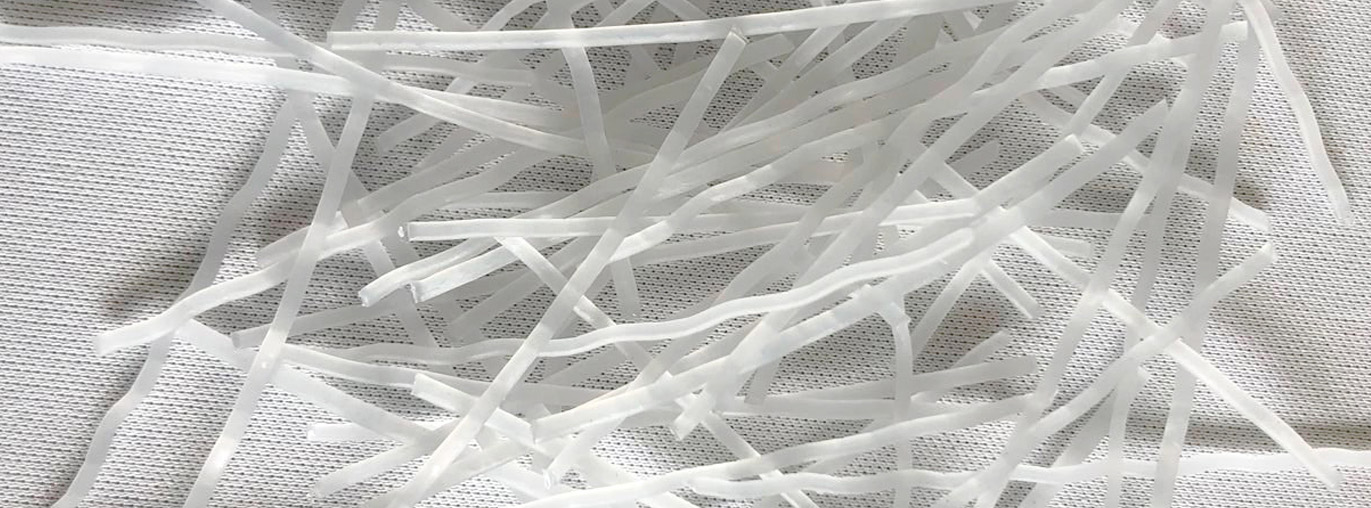
Polymeric macrofibers are small filaments of strong synthetic material dispersed throughout the concrete mix to reinforce it from within. Their random distribution creates a discontinuous and homogeneous three-dimensional reinforcement effect that enhances the concrete’s toughness and ductility at every point of the structure. 

The materials commonly used for the manufacture of this type of product include polypropylene, polyethylene, polyester, or nylon in different gauges or dimensions. These are highly effective for the reinforcement of pavements and roads, slabs, precast elements, shotcrete, and in some cases, may even substitute welded wire mesh. Given the wide variety of products, it is important to seek proper advice before use and to consider that macrofibers do not always increase the compressive or flexural strength of concrete, as they are mainly used for microcrack control. Therefore, they are not intended as a full replacement for structural reinforcement such as steel. 

The Mexican company Energeia–Graphenemex®, through its polymer division, integrated the multifunctionality of graphene oxide to launch Graphenergy® Polymeric Macrofibers in order to enhance concrete performance under intense stresses. 

Graphenergy® polymeric macrofibers represent an innovation in secondary three-dimensional reinforcement for concrete thanks to the integration of polymers and graphene oxide in their formulation. Unlike conventional fibers, the nanotechnology-based design and wavy surface of these macrofibers significantly improve their performance within the concrete. 

Graphene oxide is one of the most promising materials for enhancing the properties of a wide range of polymers. It consists of graphene—or pure carbon—sheets stabilized with oxygen-containing groups, resulting in a versatile structure that is water-compatible, adherent to cement crystals, and easily combinable with other compounds to design materials with new or improved properties.” 

Why use graphene oxide in the production of synthetic macrofibers? 

  • Enhances the mechanical properties of polymers, thereby increasing the resistance of each fiber under loads. 
  • Improves fiber compatibility with concrete, resulting in excellent dispersion within fresh concrete. 
  • Generates a better fiber–cement interface, improving fiber anchorage within hardened concrete. 

Evidence-Based Science 

As evidence of the benefits that synthetic macrofibers with graphene oxide offer concrete, the following results are presented from a study conducted to analyze the performance of concrete reinforced with different dosages of Graphenergy® Macrofibers at 7 days

It is important to note that the standards and limits applied were defined according to the requirements of a specific project; therefore, the reported information is for reference purposes only. 

How is fiber-reinforced concrete evaluated? 

The most relevant tests focus on determining how fibers improve the strength and toughness of concrete, particularly after cracking occurs. 

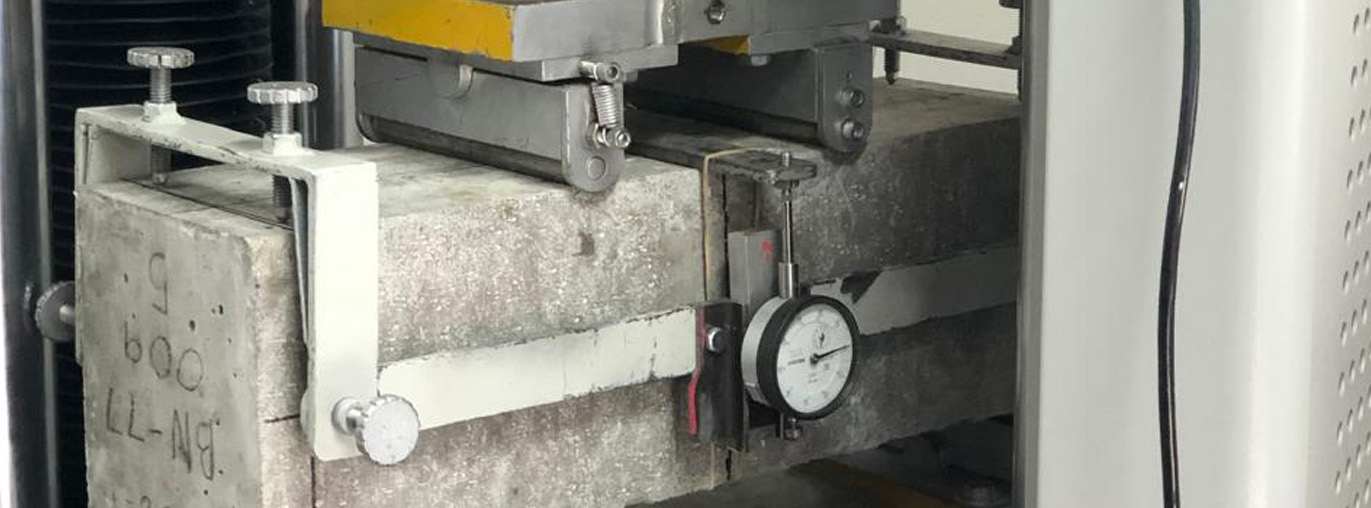
  • ASTM C78 is used to determine the flexural strength of plain concrete (without fibers), measuring how much force concrete can withstand in bending before breaking. 
  • ASTM C1609 is used to evaluate fiber-reinforced concrete, specifically its residual strength once the first crack appears, as well as its behavior under further loading or tensile forces. 

Materials Used 

The materials were selected in compliance with applicable standards according to the mix design and project limits, including: sand, gravel, Type II cement, water, a water-reducing admixture, and the key variable of this study: Graphenergy® synthetic macrofibers at a dosage of 35,000 to 47,000 fibers per m³ of concrete. 

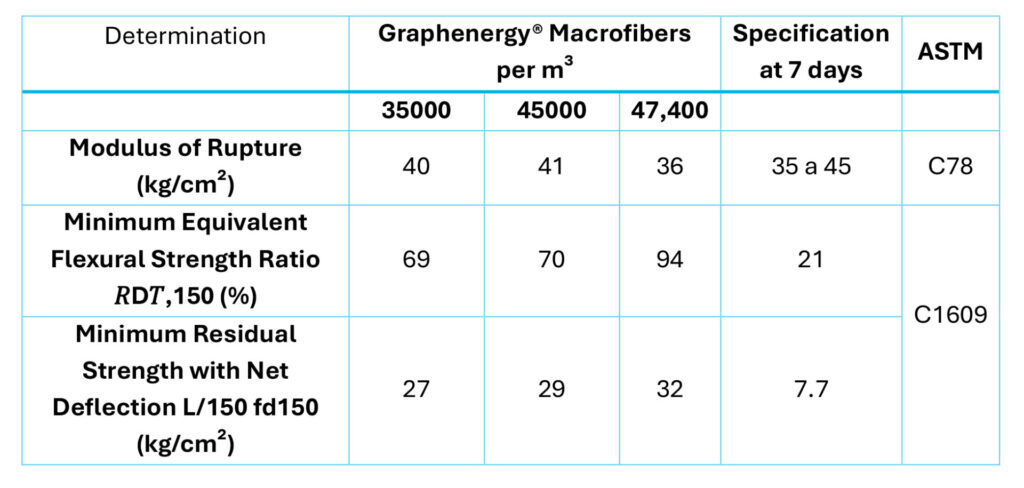
Results Table 

Interpretation 

Modulus of Rupture 

Before the appearance of the first crack, concrete dosed with Graphenergy® macrofibers resisted between 36 and 41 kg/cm², meeting the specification for reasonably strong flexural concrete. It is worth noting that this test is relatively independent of fiber presence, as it depends more directly on cement paste, aggregates, and curing. As expected, the fibers did not significantly influence these results. However, the fact that the specification was met is an indication of proper fiber distribution in the mix. 

Minimum Equivalent Flexural Strength Ratio 𝑅D𝑇,150 

This determination highlights the true contribution of macrofibers, as it measures the residual strength of concrete after cracking. According to specifications, concrete should retain at least 21% of its original strength. Remarkably, Graphenergy® macrofibers enabled the concrete to retain between 69% and 94%, depending on fiber dosage. This demonstrates that the fibers continue to work effectively even after cracking. 

Minimum Residual Strength with Net Deflection L/150 fd150 

This result reflects the post-cracking behavior of concrete in terms of crack control. The results shown in the table confirm the added value of macrofibers in improving early-age resistance, offering performance more than 300% above the specification (7.7 kg/cm²). 

Conclusion 

 The study demonstrates that concrete reinforced with Graphenergy® Macrofibers not only meets but significantly exceeds project specifications. While not all properties show a linear correlation between fiber dosage and strength—such as modulus of rupture—the results clearly show substantial improvements in post-cracking capacity and toughness. These macrofibers emerge as a novel, highly recommended alternative for concrete reinforcement in applications subjected to impacts, cyclic loads, or where ductility is essential. 

Prepared by: EF/DHS 

Hydrogels and Graphene: The Technological Fusion Revolutionizing Materials Science 

Hydrogels and Graphene:

The Technological Fusion Revolutionizing Materials Science 

Hydrogels are polymeric networks with a hydrophilic structure that allows them to retain large amounts of water in their three-dimensional networks. From their first references in 1900 to the advancements by Wichterle and Lim in the 1960s, hydrogel technology has evolved to become a vital solution in fields such as medicine (for controlled drug or bioactive agent delivery), environmental remediation (for contaminant adsorption or soil restoration), agriculture (for water retention or soil conditioning), food industry (from texturizing agents to smart packaging), and even energy storage, among others.  

“In 1900, the term ‘hydrogel’ first appeared in scientific literature to describe a colloidal gel of inorganic salts.” 

Hydrogels may be chemically crosslinked through covalent bonds, physically through non-covalent interactions, or via a combination of both. They are classified into natural (including proteins such as collagen and gelatin, and polysaccharides such as starch, alginate, and agarose), synthetic (produced through chemical polymerization methods), and hybrid hydrogels. Synthetic materials have largely replaced natural ones due to better water absorption, longer lifespan, and a broader variety of raw materials.  

“The water absorption capacity of hydrogels is due to hydrophilic functional groups attached to their polymer structure, while their resistance to dissolution results from crosslinks between the network chains.” 

Hydrogels are mainly known and used for their excellent water absorption capabilities without altering their structure. However, their low mechanical strength and sensitivity to external stimuli such as temperature, light, or electric fields can either enhance or limit their performance in dynamic environments. Some examples include: 

Temperature Sensitivity: These hydrogels expand or contract in response to heat or cold, enabling them to release contaminants, drugs, or bioactive agents—ideal for wastewater treatment or medical therapies. Their challenges include long-term stability and precise temperature responsiveness. 

Photosensitivity: The integration of photoactive agents into their polymer networks can improve contaminant degradation, activate and release specific drugs, or enhance cellular growth conditions in tissue engineering. However, continuous UV exposure may lead to photodegradation of the material. 

Electric Field Sensitivity: Electroactive hydrogels incorporate ionic groups that move and alter the hydrogel’s structure under an electric field, modifying its permeability to allow or block the passage of substances. This is useful for wastewater treatment and controlled water or nutrient release in agriculture. High costs and limited durability remain key challenges. 

pH Sensitivity: This is achieved by incorporating ionizable functional groups (carboxyl or amino), which gain or lose protons based on environmental pH, triggering structural changes that allow water absorption or release. 

How Does Nanotechnology Enhance Hydrogel Performance?  

Nanotechnology—the interdisciplinary field focused on manipulating and manufacturing materials at the atomic and molecular scale (1–100 nanometers)—has made significant contributions to hydrogels, particularly in improving mechanical strength and developing smart functionalities for biomedical and environmental applications.  

“To understand the nanoscale, consider that the average thickness of a human hair is approximately 60,000 nm, while a nanometer is one-millionth of a millimeter.” 

What Added Value Does Graphene Bring to Hydrogels?  

Graphene is a nanometric, two-dimensional (2D) carbon sheet one atom thick, with a structure similar to a benzene ring. It has attracted significant research interest due to its exceptional properties: thermal conductivity, mechanical strength, flexibility, and biocompatibility, among others, which can be transferred to hydrogel matrices. 

1. Mechanical Strength: 

One of the key limitations of hydrogels is their low mechanical resistance, making them unsuitable for high-stress environments. Graphene can significantly reinforce hydrogel structure, improving durability and mechanical stability. 

2. Thermal Stability: 

Hydrogels are sensitive to temperature changes, which can affect their performance. Graphene can enhance their thermal stability, maintaining functional properties across wider temperature ranges. 

3. Antimicrobial Protection and Biocompatibility: 

While hydrogels are generally biocompatible, scientific evidence shows that adding graphene improves their stability and compatibility. Its intrinsic antimicrobial properties also make hydrogels safer for infection-sensitive applications. 

4. Electrical Responsiveness: 

Graphene’s ability to transmit electrical signals supports cell communication in electrically active tissues (e.g., nerve, muscle, heart). It also enables controlled drug release under voltage stimulation, while minimizing overheating during electrical activation. 

Although there are no graphene-based hydrogels commercially available yet, many experimental nanotechnological developments around the world are laying the groundwork for future applications, including: 

  1. Spain (2025): A study by the Spanish National Research Council and the National Hospital for Paraplegics used a reduced graphene oxide (rGO) foam scaffold to reconnect severed spinal cords in rats, promoting neuronal reconnection and vascular regeneration. 
  1. Argentina (2025): The University of Buenos Aires, CONICET, and INTI developed hydrogels resistant to hydration-dehydration cycles for nanofiltration of viruses, bacteria, fungi, and heavy metals from water. 
  1. USA (2023): A study published in Environmental Science & Technology demonstrated that graphene-based hydrogels could remove up to 95% of lead ions from aqueous solutions. 
  1. China (2022): Biomaterials Translational published a study on a hyaluronic acid–graphene oxide hydrogel combined with Senexin A for treating vascular occlusive diseases, achieving sustained release over 21 days and good biocompatibility. 
  1. USA (2022): In Applied Materials & Interfaces, researchers reported a graphene hydrogel scaffold that promoted cartilage regeneration with type II collagen expression and stable cellular growth. 
  1. Spain (2018): Researchers at the University of the Basque Country developed a starch–graphene hydrogel for flexible brain implant electrodes. The graphene was stabilized in water using sage extract, which also added antibacterial and electrical properties. 
  1. USA (2017): A porous graphene oxide hydrogel developed for water purification showed enhanced contaminant adsorption due to improved stability, nanotransport channels, and hydrogen bonding. 
  1. USA (2017): A soft, injectable hydrogel made from PEGDA–melamine and GO improved cardiac function in rats with myocardial infarction, reducing infarct size and fibrosis while promoting neovascularization. 

Conclusion 

Graphene-based hydrogels, and those incorporating its derivatives, offer significant structural and functional improvements. Their development represents a leap toward smarter and more adaptive systems in biomedicine, agriculture, and environmental remediation. However, like any emerging technology, widespread adoption will require overcoming regulatory and large-scale manufacturing challenges.  

Written by: EF/ DHS 

References 

  1. Visan, A. I.; Negut, I. Environmental and Wastewater Treatment Applications of StimulusResponsive Hydrogels. Gels 2025, 11 (1), 72.  
  1. Yu, K.; Wang, D.; Wang, Q. Tough and SelfHealable Nanocomposite Hydrogels for Repeatable Water Treatment. Polymers 2018, 10, 880. 
  1. Lim, S. L.; Tang, W. N. H.; Ooi, C. W.; Chan, E.S.; Tey, B. T. Rapid swelling and deswelling of semiinterpenetrating network poly(acrylic acid)/poly(aspartic acid) hydrogels prepared by freezing polymerization. J. Appl. Polym. Sci. 2016, 133, 9. 
  1. Yuan, Z.; Wang, Y.; Han, X.; Chen, D. The adsorption behaviors of the multiple stimulusresponsive poly(ethylene glycol)based hydrogels for removal of RhB dye. J. Appl. Polym. Sci. 2015, 132, 42244. 
  1. Thakur, S.; Arotiba, O. Synthesis, characterization and adsorption studies of an acrylic acidgrafted sodium alginatebased TiO₂ hydrogel nanocomposite. Adsorpt. Sci. Technol. 2018, 36, 458–477. 
  1. Eraković, Z.; Stefanović, D. Purification of contaminated wastewater with the help of graphene composites with hydrogels. Facta Univ. Ser. Work. Living Environ. Prot. 2022, 19, 27–**. 
  1. Wu, R.; Tian, L.; Wang, W.; Man, X. Bifunctional cellulose derivatives for the removal of heavymetal ions and phenols: Synthesis and adsorption studies. J. Appl. Polym. Sci. 2015, 132, 41830. 
  1. Zheng, Y.; Zhu, Y.; Wang, F.; Wang, A. GelatinGrafted Granular Composite Hydrogel for Selective Removal of Malachite Green. Water, Air, Soil Pollut. 2015, 226, 354. 
  1. Malik, R.; Saxena, R.; Warkar, S. G. Organic Hybrid Hydrogels: A Sustenance Technique in WasteWater Treatment. ChemistrySelect 2023, 8, e202203670. 
  1. Berg, J.; Seiffert, S. Composite hydrogels based on calcium alginate and polyethyleneimine for wastewater treatment. J. Polym. Sci. 2023, 61, 2203. 
  1. Singh, R.; Datta, B. Advances in Biomedical and Environmental Applications of Magnetic Hydrogels. ACS Appl. Polym. Mater. 2023, 5, 5474. 
  1. Tang, S. C. N.; Yan, D. Y. S.; Lo, I. M. C. Sustainable Wastewater Treatment Using Microsized Magnetic Hydrogel with Magnetic Separation Technology. Ind. Eng. Chem. Res. 2014, 53, 15718. 
  1. Wahid, F.; Zhao, X.J.; Jia, S.R.; Bai, H.; Zhong, C. Nanocomposite hydrogels as multifunctional systems for biomedical applications: Current state and perspectives. Composites Part B: Engineering 2020, 200, 108208. 
  1. Bao, R.; Tan, B.; Liang, S.; Zhang, N.; Wang, W.; Liu, W. A ππ conjugationcontaining soft and conductive injectable polymer hydrogel highly efficiently rebuilds cardiac function after myocardial infarction. Biomaterials 2017, 122, 63. 
  1. Maturavongsadit, P.; Wu, W.; Fan, J.; Roninson, I. B.; Cui, T.; Wang, Q. Grapheneincorporated hyaluronic acidbased hydrogel as a controlled Senexin A delivery system. Biomater. Transl. 2022, 3 (2), 152–161.  
  1. Lyu, C.; Cheng, C.; He, Y.; Qiu, L.; He, Z.; Zou, D.; Li, D.; Lu, J. Graphene hydrogel as a porous scaffold for cartilage regeneration. ACS Appl. Mater. Interfaces 2022, 14 (49), 54431. 
  1. T. Sawyer, Principles of Nanotechnology, Murphy & Moore Publishing, 2022. 
  1. https://www.infocampo.com.ar/hidrogeles-con-nanotecnologia-un-desarrollo-cientifico-argentino-que-mejora-la-calidad-del-agua/ 
  1. https://www.agenciasinc.es/Noticias/Hidrogel-de-grafeno-y-almidon-para-electrodos-de-implantes-cerebrales 
  1. https://cadenaser.com/nacional/2025/01/30/cientificos-del-csic-logran-reconectar-la-medula-espinal-totalmente-seccionada-de-una-rata-cadena-ser 

Conductivity and Control: Graphene in the Evolution of Antistatic Materials

Conductivity and Control:

Graphene in the Evolution of Antistatic Materials

In the early 18th century, scientists began to notice that some materials, when rubbed together, were mysteriously attracted to one another, while others—especially those of different natures—were consistently repelled. After many observations of the same phenomenon, researchers concluded that invisible fluids or charges were being transferred between certain objects, later described as attractive or repulsive forces.

It was Benjamin Franklin who proposed that only one type of fluid was exchanged between objects, and that differing charges resulted from an excess or deficiency of this fluid. Franklin tested this with wax and wool, observing that rubbing them caused the wool to extract the invisible fluid from the wax—leading to a surplus in the wool and a deficit in the wax. This imbalance would then generate attractive forces as the system sought to restore equilibrium.

“It was later discovered that this invisible ‘fluid’ was made up of tiny fragments of matter called electrons— the smallest known carriers of electric charge.”

Today, we understand that electric charge results from the transfer of electrons between bodies that generate electrostatic tension. However, in insulating materials like plastics, the charge remains static and localized at the point of contact. When such plastics encounter objects at different potentials—such as a person or an electronic microcircuit—static electricity may discharge via a spark or arc. This can damage electronic equipment or even trigger fires and explosions, especially in the presence of flammable substances. For this reason, the use of antistatic materials in construction products, electronics, storage centers, textiles, and many other applications is critical. 

“Static charge is also known as static electricity or electrostatics.”

Plastics are found in nearly every environment. While they serve countless purposes, the static charge they accumulate can limit their use. This is why antistatic additives are often incorporated to reduce electrical resistance, making them suitable for producing antistatic packaging for electronics, automotive, or chemical industries. These materials may be biodegradable biopolymers like polylactic acid (PLA) and cellulose acetate (CA) or non-biodegradable petrochemical plastics such as polyethylene (PE), polypropylene (PP), and polyethylene terephthalate (PET). Antistatic solutions are also used in construction supplies made from PVC or rubber, especially in chemical plants, gas stations, or coal mines.

How many types of antistatic additives are there?

The family of antistatic additives is broad. They include ionic, non-ionic, conductive polymers, phosphorus-based additives, and carbon-based materials. In this article, we focus on the latter—specifically, carbon black, graphite, and most notably, graphene.

“According to ASTM D257-78, the surface resistivity of antistatic materials ranges from 1.0×10⁵ to 1.0×10¹² Ω/sq.”

Graphene is a carbon nanostructure with exceptional electrical conductivity (0.96 × 10⁸ Ω·m⁻¹), making it a powerful antistatic agent. Unlike graphite—a 3D carbon structure made of millions of graphene layers—and carbon black, which is amorphous and tends to form large aggregates, graphene has a well-organized sheet-like structure with a high surface area accessible on both sides. This allows it to interact intimately with other molecules and modify the properties of many materials, particularly polymers—not only by reducing static, but also by enhancing mechanical strength, thermal resistance, and barrier properties.

Technically, graphene is composed solely of carbon atoms. But in practice, there are as many types of graphene as there are production methods—whether producing pristine graphene, graphene oxide (GO), or reduced graphene oxide (rGO)—each potentially functionalized during or after production. These functionalizations are often necessary to improve graphene’s interaction with specific polymer matrices and to impart desired properties, such as antistatic behavior.

To integrate graphene into PLA used in antistatic packaging, plasticizers like thymol, polyethylene glycol (PEG), or dibutyl sebacate (DBS) can serve as carriers—not just to reduce resistivity but also to enhance mechanical strength and barrier properties. Literature reports show that graphene in PLA can increase electrical conductivity from 1.39E-12 S/cm to 2.83E-4 S/cm. For antistatic rubber flooring, graphene can be functionalized with zinc methacrylate to reduce resistivity by up to three orders of magnitude.

Another critical factor is graphene’s proper dispersion and integration into the host matrix—something that varies depending on the material. For rubber, graphene can be functionalized with 3-glycidyloxypropyltrimethoxysilane, a coupling agent that bonds organic and inorganic materials. For PET, GO can be functionalized with p-phenylenediamine (PPD), which improves dispersion, thermal stability, and boosts antistatic performance by up to eight orders of magnitude.

In the case of cellulose acetate (CA), a biodegradable polymer gaining popularity in packaging, direct functionalization of graphene with CA molecules during synthesis improves both dispersion and static dissipation—lowering surface resistivity from 1.09×10¹² Ω/sq to 1.51×10⁹ Ω/sq. A similar strategy applies to PVC, using dioctyl phthalate (DOP), a plasticizer that can assist during graphite exfoliation to create a graphene more compatible with PVC and reduce resistivity from 10¹⁶ Ω-cm to 2.5 × 10⁶ Ω/sq.

Clearly, graphene represents a technological leap forward in the development of advanced plastics. Its capacity as an effective antistatic additive—along with its multifunctional benefits—makes it a key material for driving innovation in this field. However, its performance depends heavily on selecting the right type of graphene, the functionalization process, and its integration into the polymer matrix. As research continues, graphene is becoming an increasingly vital solution for meeting the safety, performance, and sustainability demands of the plastics industry.

Written by: EF/DHS

References

  1. aif M. Jaseem and Nadia A. Ali. Antistatic packaging of plasticized biodegradable polylactic acid /graphene nancomposites. Pak. J. Biotechnol. Vol. 16 (2) 81-90 (2019)
  2. Josiani Aparecida da Silva, et al., The combined effect of plasticizers and graphene on properties of poly(lactic acid), Inc. J. Appl. Polym. Sci. 2018, 135, 46745.
  3. Saif M. Jaseem and Nadia A. Ali Antistatic packaging of carbon black on plastizers biodegradable polylactic acid nanocomposites 2019 J. Phys.: Conf. Ser. 1279 012046
  4. Zhaorui Meng, et al.,  Grafting macromolecular chains on the surface of graphene oxide through crosslinker for antistatic and thermally stable polyethylene terephthalate nanocomposites. 2022, RSC Advances, 12, 52, 33329.
  5. Zijun Gao et al., Graphene nanoplatelet/cellulose acetate flm with enhanced antistatic, thermal dissipative and mechanical properties for packaging, Cellulose (2023) 30:4499
  6. Zi-Bo Wei, et. al., Antistatic PVC-graphene Composite through Plasticizer-mediatedExfoliation of Graphite, chinese J. Polym. Sci. 2018, 36, 1361

Graphene and Bioplastics: Innovation for Enhanced Sustainability

Graphene and Bioplastics:

Innovation for Enhanced Sustainability

Awareness of environmental protection and the commitment to meeting the United Nations’ 2030 Sustainable Development Goals (SDGs) have fueled the growth of the bioplastic industry. This sector is striving to take the lead in the race against synthetic products, many of which, while non-toxic and recyclable, lack biodegradability.

                                “Currently, only 1% of all plastic produced is bioplastic.”

What Are Bioplastics?

Bioplastics are materials derived from natural and chemical sources, obtained from renewable resources or petroleum-based derivatives. As a result, they offer major advantages, including full biodegradability, high recyclability, and a minimal carbon footprint. Additionally, bioplastics exhibit excellent optical, mechanical, antioxidant, and antimicrobial properties. However, like most materials, bioplastics also have limitations, the two most notable being low tensile strength and moisture resistance.

Despite these challenges, and given the goal of minimizing carbon footprints and reducing the use of synthetic or single-use polymers, the bioplastic industry has been evolving to overcome its limitations. This has been achieved through the incorporation of reinforcing agents such as fillers, compatibilizers, plasticizers, and even nanotechnology through the use of nanoparticles.

The most well-known bioplastics include polylactic acid (PLA), polyhydroxybutyrate (PHB), cellulose derivatives, starch, and chitosan. Among them, PLA has gained significant traction as a biodegradable thermoplastic polymer approved by the FDA. In recent years, it has emerged as a viable alternative to replace non-biodegradable fossil-based polymers traditionally used in the food, medical, agricultural, textile, and automotive industries. PLA exhibits characteristics like some petroleum-derived plastics. As a result, numerous PLA-based products are already available in the market, including blow-molded bottles, injection-molded cups, spoons, and forks, thermoformed trays and cups, paper coatings, textile fibers, and even medical supplies.

“Over 160 tons of PLA packaging are produced annually, accounting for approximately 13% of all bioplastics, making it the second most used in the sector after starch.”

PLA is produced from lactic acid through the fermentation of renewable resources such as rice, wheat, corn, sugarcane, potatoes, and beets. Due to its nature, PLA shares similar mechanical and barrier limitations with other biomaterials. As a result, various strategies have been developed to enhance its properties. For example, to improve its crystallinity and biodegradability, PLA is combined with polymers such as polyethylene glycol, ethylene vinyl alcohol, or poly(butylene adipate-co-terephthalate). To maintain its compostability, it is blended with other starch-based biopolymers such as corn, cassava, and beet starch. Finally, to improve impermeability, tensile strength, and thermal stability, graphene has emerged as a highly promising material.

“Other nanoparticles used in the bioplastic industry include silver, magnesium oxide, zinc oxide, titanium dioxide, hydroxyapatite, silica, alumina, magnetite, zirconium oxide, calcium carbonate, and recently, graphene.”

¿ What Is Graphene?

Graphene is a nanoscale structure generally extracted from graphite, a mineral composed solely of carbon. Unlike graphite, however, graphene consists of one or a few layers of tightly interconnected carbon atoms. It can be combined with numerous compounds to enhance its mechanical, thermal, electrical, barrier, and antimicrobial properties.

The benefits of graphene in biopolymers such as PLA are extensive. For example, studies have incorporated small amounts of graphene into compostable PLA films with thermoplastic cassava starch for food and agricultural applications. Remarkably, using just 0.1% graphene has resulted in:

  • ~75% improvement in elongation resistance
  • ~500% increase in film toughness
  • 100% enhancement in elasticity modulus
  • 35-50% reduction in oxygen permeability

Regarding mechanical improvements, studies conclude that in graphene-reinforced polymers subjected to tensile stress, surface fractures propagate freely unless they encounter a graphene sheet. Since graphene is a rigid material, the fracture is forced to find an alternate path, increasing deformation energy and ultimately resulting in high elongation-to-break values.

“Low concentrations of graphene are sufficient to create a crack-bridging mechanism during tensile stress. However, high concentrations can lead to nanoparticle agglomeration, causing the opposite effect.”

Increased impermeability to oxygen and moisture is another key advantage, attributed to the tortuous path created by graphene layers within the polymer. This structure hinders the penetration and movement of molecules. This phenomenon is closely linked to good graphene-polymer compatibility and dispersion, which prevents material aggregation. To improve compatibility, graphene can be chemically modified with oxygen-containing groups, leading to its most well-known variant: graphene oxide (GO). The presence of oxygen and hydrogen molecules in GO allows for further functionalization with other nanoparticles (e.g., cellulose or zinc oxide nanocrystals) or compounds (e.g., amine or amide groups), modifying its behavior based on the desired objective.

For example, a 2023 study published in Polymer Testing evaluated PLA barrier properties using GO functionalized with two types of alkylamines (decylamine (DA) and octadecylamine (ODA)) to enhance its food packaging performance. The results reported a 30% reduction in oxygen permeability with just 0.7% functionalized GO and a 50% reduction in water vapor permeability using 0.2% GO, significantly extending shelf life. If PLA can further improve its properties, it has the potential to replace polystyrene and PET—two of the most widely used materials in the packaging industry.

Graphene’s Antimicrobial Potential

Another crucial advantage of graphene—not only in PLA but in other materials—is its well-documented antimicrobial properties, which do not necessarily involve a biocidal effect. One of graphene’s mechanisms is preventing microorganism adhesion to surfaces through various pathways, regardless of their nature.

Specific research on PLA with graphene also supports this claim. Studies indicate that incorporating 1% GO in PLA films reduces film porosity, decreases oxygen permeability, and demonstrates significant antimicrobial activity against Staphylococcus aureus and Escherichia coli. These properties further enhance its potential for food packaging and preservation.

Conclusion

This article used PLA as a model to illustrate the benefits graphene can offer to the bioplastic industry. However, other biomaterials such as chitosan, cellulose, and starch can also be significantly improved with graphene.

In general, research shows that graphene has the potential to enhance multiple properties of materials. However, achieving this requires:

  1. Selecting the right type of graphene
  2. Determining its optimal concentration
  3. Assessing the need for chemical modifications to optimize performance for different applications

Ultimately, striking a favorable balance between mechanical, barrier, and optical properties is essential. By leveraging graphene’s unique characteristics, the bioplastic industry can move closer to sustainable, high-performance materials with reduced environmental impact.

Written by: EF/DHS

References:

  1. Remilson Cruz, et al., Development of biodegradable nanocomposites based on PLA and functionalized graphene oxide. Polymer Testing 124 (2023) 108066
  2. Mulla, et al., Poly Lactic Acid (PLA) Nanocomposites: Effect of Inorganic Nanoparticles Reinforcement on Its Performance and Food Packaging Applications. Molecules 2021, 26, 1967
  3. Saranya Ramesh Kumar et. al., Bio-based and biodegradable polymers – State-of-the art, challenges and emerging trends. Current Opinion in Green and Sustainable Chemistry 2020, 21:75
  4. De Carvalho, A.P.A.; Conte Junior, C.A. Green strategies for active food packagings: A systematic review on active properties of graphene-b Trends Food Sci Technol, 103, 2020, 130
  5. Anibal Bher et. al., Toughening of Poly(lactic acid) and Thermoplastic Cassava Starch Reactive Blends Using Graphene Nanoplatelets. Polymers 2018, 10, 95
  6. Yasir Ali Arfat et. al., Polylactide/graphene oxide nanosheets/clove essential oil composite films for potential food packaging applications. Int. J. Biol. Macromol, 107, 2018, 194
  7. Valapa, R.B.; et. al., Effect of graphene content on the properties of poly(lactic acid) nanocomposites. RSC Adv. 2015, 5, 28410
  8. Ahmadi-Moghadam, et. al., Effect of functionalization of graphene nanoplatelets on the mechanical response of graphene/epoxy composites. Mater. Des. 2015, 66, 142
  9. Seshadri, M.; Saigal, S. Crack bridging in polymer nanocomposites. J. Eng. Mech. 2007, 133, 911

Biocompatibility and Biodegradability of Graphene: Advances and Scientific Evidence

Biocompatibility and Biodegradability of Graphene:

Advances and Scientific Evidence

Graphene is widely recognized for its exceptional properties and its potential to revolutionize various industries. However, as a relatively recent technology with emerging applications, concerns have arisen regarding its impact on human health and the environment. Therefore, it is essential to analyze scientific studies that have evaluated its biocompatibility and biodegradability, providing evidence of its safety and behavior in different biological systems.

Biocompatibility: Defined as the absence of allergic or immune adverse reactions to a material in the body

Over the past decade, multiple studies have demonstrated that graphene and its derivatives can be biocompatible under certain conditions. Research on its interaction with blood, cell differentiation, kidney function, neuronal activation, and bone regeneration has yielded positive results. The following key findings stand out:

2012 – Compatibility with blood and macrophage response. The nanotoxicity of graphene on macrophages was evaluated based on its effects on metabolic activity, membrane integrity, oxidative stress induction, hemolysis, platelet activation and aggregation, coagulation cascade, cytokine induction, and immune cell activation and suppression.

Results indicated that while graphene does interact with macrophages, toxicity is significantly reduced through surface functionalization. Regarding blood compatibility, both functionalized and non-functionalized graphene exhibited excellent compatibility with red blood cells, platelets, and plasma coagulation pathways, with minimal alteration in cytokine expression by human peripheral blood mononuclear cells. Additionally, no premature immune cell activation or suppression was observed up to a relatively high concentration of graphene (75 μg mL⁻¹) after 72 hours of in vitro incubation.

Conclusion: Possible graphene toxicity can be easily avoided through surface functionalization.

A. Sasidharan, et. al., Hemocompatibility and Macrophage Response of Pristine and Functionalized Graphene, Small, 2012, 8, 1251

2014- Cardiac cell differentiation. The effect of graphene on the cardiomyogenic differentiation of human embryonic stem cells (hESCs) was analyzed. Graphene was synthesized via CVD and deposited on vitronectin-coated glass, a multifunctional protein found in plasma, platelets, and the extracellular matrix, to ensure hESC viability. Cells were cultured for 21 days, and results showed that graphene promoted the expression of genes involved in gradual differentiation into mesodermal and endodermal lineage cells and subsequently into cardiomyocytes, compared to cultures on glass without graphene.

Conclusion: Graphene can provide a platform for developing stem cell therapies for heart diseases by enhancing the cardiomyogenic differentiation of human embryonic stem cells.

Tae-Jin Lee, et. al., Graphene enhances the cardiomyogenic differentiation of human embryonic stem cells, Biochem Biophys Res Commun, 2014, 452(1):174

2016- Impact on kidney function. The effect of intravenously administered graphene oxide (GO) on the kidneys of mice was studied. Results showed that GO was excreted through urine, indicating rapid transit through the glomerular filtration barrier (GFB) without nephrotoxicity. The analysis concluded an absence of kidney function impairment up to one month after GO injection at increasing doses. Histological examination found no damage to the glomerular and tubular regions of the kidneys. Ultrastructural analysis also revealed no damage or changes in podocyte slit size, endothelial cell fenestra, or glomerular basement membrane width. Endothelial and podocyte cultures restored their barrier function after >48 hours of GO exposure, with significant cellular uptake observed in both cell types after 24 hours.

Conclusion: GO is not toxic to the kidneys..

Dhifaf A. Jasim, et. al., The Effects of Extensive Glomerular Filtration of Thin Graphene Oxide Sheets on Kidney Physiology. ACS Nano 2016, 10, 12, 10753

2018- Effect on Neuronal Activation. The effect of monolayer graphene on neuronal activation was evaluated. It was identified that graphene modifies membrane-associated functions in cultured cells, meaning it adjusts the distribution of extracellular ions at the interface with neurons—a key regulator of neuronal excitability.

The observed membrane changes included stronger potassium ion currents and a shift in the fraction of neuronal activation phenotypes from adaptive to tonic activation. The study’s hypothesis suggested that graphene-ion interactions are maximized when single-layer graphene is deposited on electrically insulating substrates.

Conclusion: Graphene oxide can act as a substrate for neuronal interaction.

N. P. Pampaloni, et. al., Single-layer graphene modulates neuronal communication and augments membrane ion currents, Nat. Nanotechnol., 2018, 13, 755

2018- Adjuvant in the Proliferation of Pulmonary and Neuronal Cells. Graphene oxide “papers” of different sizes and thicknesses were fabricated as a substrate for the culture of human pulmonary and neuronal cells. Their capacity for cell adhesion and proliferation was evaluated, along with a possible cytotoxic response by detecting lactate dehydrogenase (LDH) in cell supernatants.

Conclusion: Graphene oxide can act as a biocompatible cellular substrate for cell growth without cytotoxic effects, opening greater possibilities for tissue engineering, regenerative medicine, and bionic applications.D. A. Jasim, et. al., Graphene-based papers as substrates for cell growth: Characterisation and impact on mammalian cells, FlatChem, 2018, 12, 17

2020- Biocompatibility of Graphene in Dental Materials. The biocompatibility of a graphene-containing restorative material and dental cement was studied on a mandibular defect in an animal model. Cytotoxicity was evaluated in vitro at 24 hours on human dental follicle stem cells and oral keratinocytes. In vivo studies were conducted seven weeks after implantation, including histological analysis of collected bone tissue, plasma biochemistry, oxidative stress assessment, and subchronic organ toxicity analysis.

The in vitro results showed that the materials did not induce toxicity in cells. In vivo, the animal models exhibited no symptoms of acute toxicity or local inflammation. No changes were detected in organ weights, and histological analysis revealed no alterations in liver or kidney tissues. Systemic toxicity of the materials in organs was not observed.

Conclusion: The study provides further evidence of the potential of graphene-based dental materials for bone regeneration and biocompatibility.

A. Dreanca, et. al., Systemic and Local Biocompatibility Assessment of Graphene Composite Dental Materials in Experimental Mandibular Bone Defect. Materials 2020, 13, 2511; doi:10.3390/ma13112511

2022- Risks of Graphene in Microplastics. The study was conducted on a composite of polyamide 6 or Nylon-6, a plastic commonly used in the automotive and sports industries, reinforced with reduced graphene oxide (rGO 2.5%). The material was then subjected to wear to emulate natural processes throughout its useful life, releasing particles approximately between 1.9 µm and 3.2 µm in size. To analyze the effects of the worn particles along the most likely exposure routes, in vitro human cell models of the lungs, gastrointestinal tract, skin, and immune system were used, as well as an animal model to study pulmonary exposure in vivo.

At the end of the study, only limited acute responses were found after exposure to the microplastics in the different models. Only the free rGO induced significant adverse effects, particularly in macrophages.

Conclusion: Microplastics with graphene suggest a low risk to human health. Graphene materials should not be inhaled.

S. Chortarea, et. al., Hazard assessment of abraded thermoplastic composites reinforced with reduced graphene oxide, Journal of Hazardous Materials 435 (2022) 129053.

2023- Pulmonary Function. The biological response, distribution, and biopersistence of four types of graphene in the lungs of mice were analyzed up to 28 days after a single oropharyngeal aspiration. The results showed that none of the materials induced a strong pulmonary immune response, with neutrophils being more effective at internalizing, degrading, and eliminating small graphene sheets (~50nm) than macrophages, as larger sheets (~8µm) may have greater persistence.

Conclusion: Graphene does not cause an inflammatory response in the lungs; however, it is important to consider the size of the sheets, as smaller ones are easier to eliminate from the airways and, therefore, safer.

Thomas Loret, et. al., Lung Persistence, Biodegradation, and Elimination of Graphene-Based Materials are Predominantly Size-Dependent and Mediated by Alveolar Phagocytes, Small, 2023,19(39): e2301201

2024- Pulmonary and Cardiovascular Function. An in vivo study was conducted to evaluate the effect of graphene oxide inhalation on pulmonary and cardiovascular function in healthy humans. For the trial, 14 volunteers inhaled small and ultrafine graphene oxide sheets at a controlled concentration during two-hour repeated visits. Heart rate, blood pressure, pulmonary function, and inflammatory markers were unaffected regardless of particle size; blood analysis showed few differential plasma proteins, and thrombus formation increased slightly in an ex vivo arterial injury model.

Conclusion: Graphene oxide inhalation can be tolerated and is not associated with apparent harmful effects in healthy humans. The study lays the groundwork for further human studies that examine a larger number of individuals as well as different types and doses of graphene.

Jack P. M. Andrews, First-in-human controlled inhalation of thin graphene oxide nanosheets to study acute cardiorespiratory responses. Nature nanotechonoly, 2024, 19, 705.

Biodegradation: Process by which a substance is broken down by living organisms through enzymatic or metabolic mechanisms

One of the most relevant aspects in evaluating the safety of graphene is its biodegradability. Research conducted under the Graphene Flagship project has demonstrated that graphene and graphene oxide can be successfully degraded, as follows:

2018 – Researchers affiliated with the European Union’s Graphene Flagship project, from institutions such as the National Center for Scientific Research (CNRS) in France, the University of Strasbourg, the Karolinska Institute, and the University of Castilla-La Mancha (UCLM), through studies such as “Dispersibility-Dependent Biodegradation of Graphene Oxide by Myeloperoxidase” (2015), “Graphene Oxide is Degraded by Neutrophils and the Degradation Products Are Non-Genotoxic” (2018), and “Peroxidase Mimicking DNAzymes Degrade Graphene Oxide” (2018), discovered that the enzyme myeloperoxidase (MPO) successfully degrades both graphene and graphene oxide.

Myeloperoxidase (MPO): An enzyme released by neutrophils, cells responsible for eliminating any foreign body or bacteria entering the body, present in the lungs. When a foreign body or bacteria is detected, neutrophils surround it and secrete MPO to destroy the threat.

Professor Andrea C. Ferrari, Head of Science and Technology at Graphene Flagship and Chairman of its Management Panel, stated: “The report on a successful pathway for graphene biodegradation is a very important step in ensuring the safe use of this material in applications. The Graphene Flagship has placed research into the health and environmental effects of graphene at the center of its program from the beginning. These results strengthen our confidence in the potential of graphene for biomedical and technological innovations.”

https://graphene-flagship.eu/materials/news/biodegradable-graphene/#:~:text=Ferrari%2C%20Science%20and%20Technology%20Officer,our%20innovation%20and%20technology%20roadmap%22

Cristina Martın, et al., Biocompatibility and biodegradability of 2D materials: graphene and beyond, Chem. Commun., 2019, 55, 5540

This discovery is crucial, as it confirms that graphene is not an accumulative material in the human body or the environment. Instead, it can be naturally processed and eliminated, reducing the risks of long-term toxicity.

Conclusion

Graphene and its derivatives have demonstrated a high degree of biocompatibility and controlled degradability in various scientific studies. While challenges remain, current evidence supports its safety in biomedical, industrial, and environmental applications.

The key to its proper use lies in selecting the right type of graphene and its functionalization, which helps minimize risks and enhance its benefits. Thanks to advances in research, the viability of graphene as an innovative, safe, and sustainable material is becoming increasingly clear, with applications ranging from regenerative medicine to advanced nanotechnology.

The continuous development of scientific studies will further strengthen its position as one of the key technologies of the future, ensuring its responsible and effective implementation across different industries.

Authored by: EF/DHS