The Role of Graphene Oxide as a Structural Reinforcement.
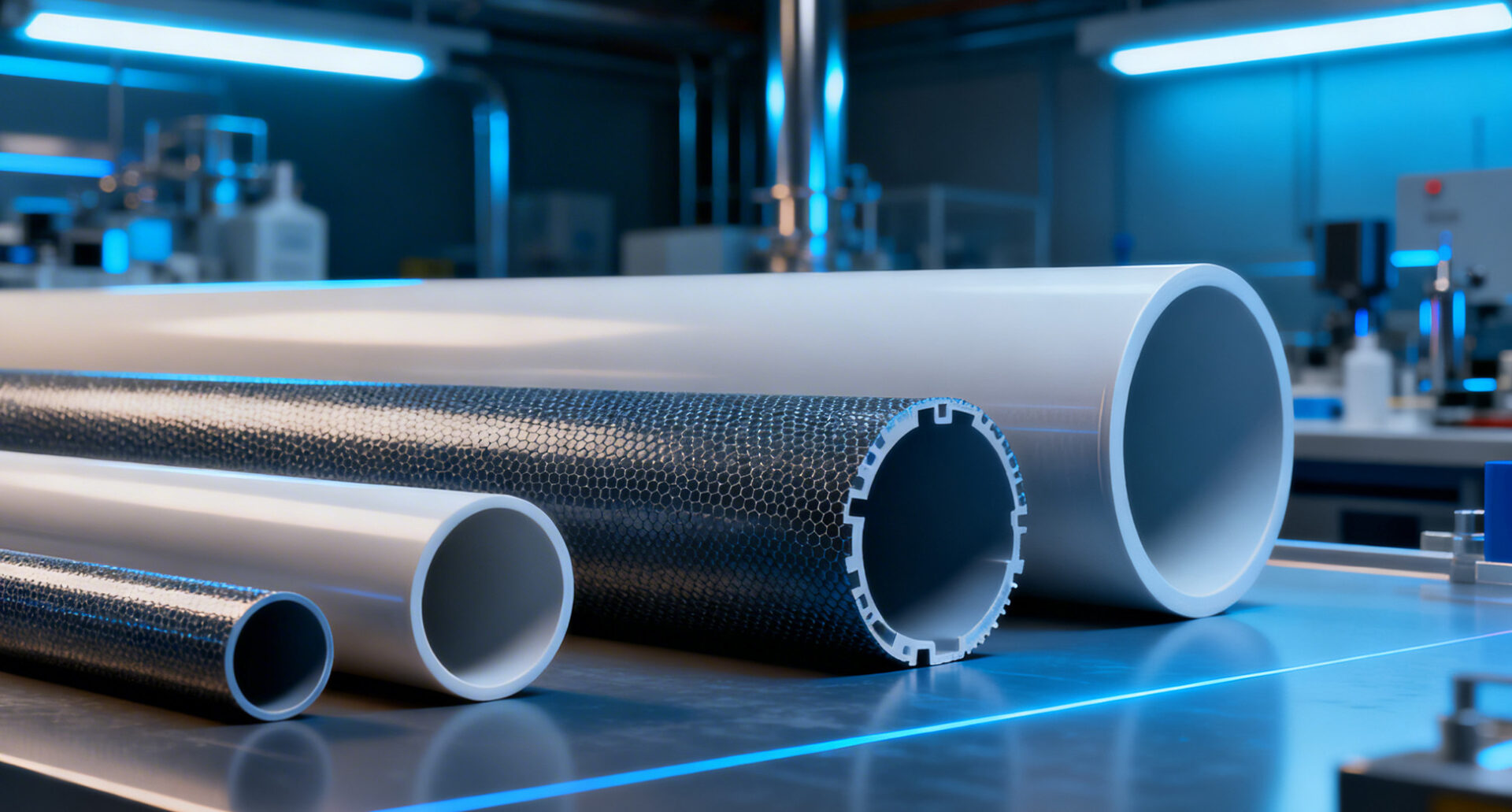
PVC, or polyvinyl chloride, has emerged since the 1930s as one of the most widely used plastics in the world. In fact, today it can be found in a large number of products for construction, the medical industry, transport, or packaging. It is a thermoplastic polymer derived from vinyl chloride that can be formulated as a rigid or flexible material, explaining its versatility for manufacturing everything from pipes, blinds, and cables to even medical bags, among other applications.
Although the PVC industry is quite solid, it has also been pressured not only by environmental demands but by the growing need for multifunctionality that differentiates it from other products to maintain or, failing that, to increase its competitiveness in the market. In this scenario, graphene oxide (GO), known for being a disruptive material, appears as the nanometric reinforcement that allows measurable improvements in key properties without modifying existing industrial processes.
What is graphene oxide and why is it relevant for PVC?
Graphene oxide is a sheet-shaped nanomaterial obtained mainly from graphite. Therefore, it is essentially composed of carbon atoms, but also by a large number of oxygenated groups (e.g., carboxyl, carbonyl, epoxy) that make it a polar material, easy to disperse and, consequently, compatible with polar polymers.
PVC is a polar polymer due to the C–Cl bonds in its chain. It is precisely this polarity that favors the formation of hydrogen bonds and dipole-dipole interactions between the PVC polymer chain and the surface of the GO, creating a favorable chemical interaction, unlike what occurs with other nanofillers such as carbon black, carbon nanotubes, nanoclays, or silica. Therefore, GO does not act only as a passive filler, but as a structural reinforcement element well-anchored to the matrix that, even with low loads (<2%), can achieve significant improvements in mechanical and thermal terms without affecting conventional PVC processes.
“With nanotechnology, it is not about using large quantities, but about doing it the right way, based on a good selection and integration of materials”
What are the mechanisms of GO to improve the characteristics of PVC?
Mechanical Performance
GO sheets have a very high elastic modulus and act as two-dimensional micro-reinforcements within the PVC. This translates into greater tensile strength, greater stiffness, and better stress distribution under load. In a real application, such as blinds, profiles, or technical PVC sheets, this can mean less deformation under its own weight, better wind resistance, lower risk of fatigue cracking, and even the possibility of reducing thickness and weight, and therefore, lower costs due to material consumption.
Barrier Properties
GO also acts as a physical barrier to the mobility of PVC chains and as a barrier to the diffusion of heat and gases. In practice, this improves the thermal stability of the materials and the resistance to deformation at elevated temperatures; therefore, and in the face of prolonged exposure to UV radiation, it is anticipated that GO can help maintain shape and appearance in the long term, providing added value and a potential differentiator for an intelligent evolution of PVC.
Other applications where the multifunctionality of graphene oxide can add value to PVC
Pipes: GO reduces permeability to gases such as residual chlorine. This is key to prolonging the useful life of pipes, especially in aggressive regions such as coastal or industrial areas, where it can minimize fatigue cracks and corrosion.
Roofing membranes or waterproofing: GO acts as a UV and thermal barrier, preventing yellowing and heat degradation. Some studies report up to 15-20°C more stability. In industrial paints or coatings, GO improves adhesion and resistance to abrasive wear, ideal for vinyl floors in factories or hospitals, reducing maintenance.
Packaging: In addition to barrier properties, GO increases mechanical resistance, allowing for thinner products with antimicrobial properties and longer shelf life.
Automotive compounds: In extruded profiles for car interiors or modular furniture, GO increases stiffness and reduces deformation under load, allowing for thinner walls and material savings between 10 and 15%. This favors lightweight applications in sustainable transport and modular design.
Fibers for concrete: GO increases tensile strength and improves toughness through strong interactions (hydrogen bonds) between its oxygenated groups and the polymer. This generates fibers with a higher modulus of elasticity, thermal stability, and interfacial anchoring in the cement matrix, reducing micro-cracks, permeability, and shrinkage in fresh concrete.
While more research is needed, the advantages offered by graphene oxide to PVC align directly with the goal of net-zero emissions by 2050 by promoting material efficiency and extended life cycles that reduce global consumption of fossil resources, which drives industry growth in a more responsible way.
Editing: EF/Dania Hernández
References
Wang, H., Xie, G., Fang, M., Ying, Z., Tong, Y., & Zeng, Y. (2017). Mechanical reinforcement of graphene/poly(vinyl chloride) composites prepared by combining the in-situ suspension polymerization and melt-mixing methods. Composites Part B: Engineering, 113, 278–284.
Taher, A. A., Oraibi, A. H., Abd Ali, F. A. M., & Jaber, H. J. (2022). Mechanical properties of graphene oxide/polyvinyl chloride composite film. International Journal of Mechanical Engineering, 7(1), 669–673.
Wilczewski, S., Skórczewska, K., Tomaszewska, J., Lewandowski, K., & Şentürk, Ö. F. (2024). Mechanical and thermal properties of rigid PVC and graphene nanocomposites obtained by melt-mixing. Polimery, 69(2), 112–120.
Xiao, Y., Xin, B., Chen, Z., Lin, L., Liu, Y., & Hu, Z. (2019). Enhanced thermal properties of graphene based poly(vinyl chloride) composites. Polymer Composites, 48(8), 1348–1363.
Challenges in Producing Graphenic Materials from Waste
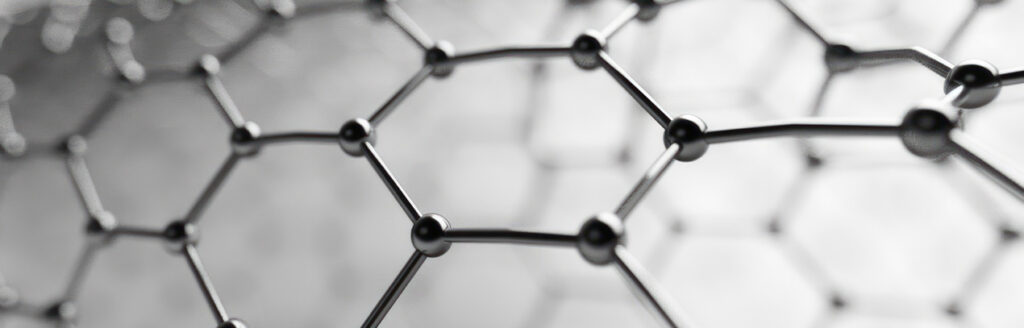
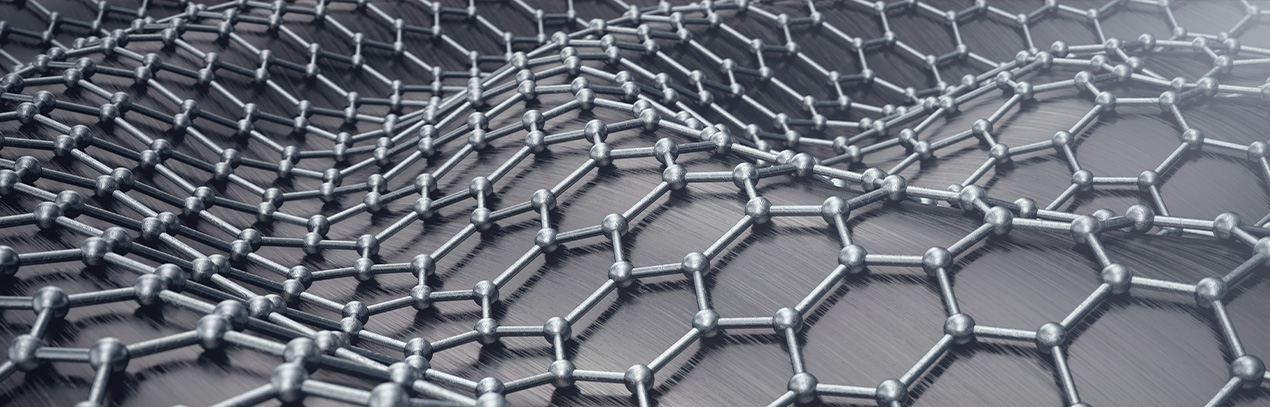
Graphene is recognized as the fundamental structural unit of graphite. However, unlike graphite—which is a three-dimensional (3D) material—graphene consists of a single two-dimensional (2D) layer of carbon atoms arranged in a hexagonal lattice that gives it remarkable mechanical, thermal, electrical, and barrier properties, making it extremely attractive for scientific and technological applications.
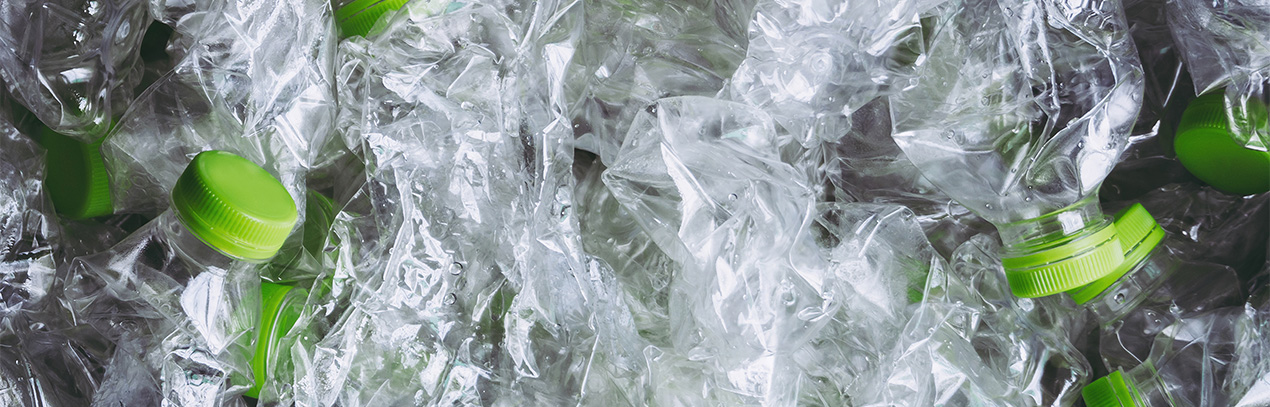
Since graphene is composed primarily of carbon, its production typically relies on high-purity carbon sources such as graphite and even gases like methane, using methods such as liquid-phase exfoliation, chemical oxidation, or chemical vapor deposition (CVD). However, in the search for more sustainable, economical, and scalable production routes—particularly for industrial use—alternative carbon sources such as biomass and plastic waste have emerged.
The main challenge is that these processes initially produce amorphous carbon, a disordered form of carbon with low conductivity and without the intrinsic properties of graphene. Therefore, it is crucial to determine whether the materials produced are truly graphene or rather other less-ordered carbon-based structures with different properties.
“Each year, approximately 140 billion tons of agricultural biomass, 181.5 billion tons of forest and agricultural residues, and around 464 million tons of plastic waste are generated worldwide, of which only 20% is recycled, 25% is incinerated, and 55% ends up in landfills.”
Graphene from Biomass
Biomass is organic matter of animal or plant origin, including tree branches, agricultural or forestry residues, and biodegradable fractions of waste, among others. Its composition—rich in carbon, hydrogen, and oxygen—makes it a promising feedstock for producing graphene through thermal processes such as pyrolysis, gasification, and hydrothermal carbonization.
Recent studies have shown that, by using metallic catalysts such as manganese nitrate and maintaining precise temperature control, it is possible to directly convert biomass into graphitic carbon, meaning a graphene-like structure, while avoiding the formation of intermediate amorphous carbon. The key to success lies in carefully controlling the process to promote graphitization during pyrolysis and avoid incomplete carbonization that leads to amorphous carbon formation.
Graphene from Plastic Pyrolysis
Pyrolysis—the decomposition of chemical compounds through heat in the absence of oxygen—when applied to plastic waste, can yield fuels such as gasoline, diesel, and, in this case, graphene. For this process, catalysts such as potassium hydroxide (KOH), metal salts, or clays are required to break polymer bonds and promote carbon rearrangement into the characteristic flat aromatic structure of graphene.
An example of this is Flash Joule Heating (FJH), a process in which plastic materials are heated to extremely high temperatures in a fraction of a second, producing a turbostratic graphene-like material composed of multiple disordered stacked layers.
What Is Really Produced?
To achieve true graphene using these methods, it is essential to employ catalysts that promote graphitization, maintain rigorous thermal control, and apply additional steps for exfoliating and stabilizing the resulting graphenic sheets. If these conditions are not met, the product is likely to be amorphous carbon, which, although useful in certain applications, lacks graphene’s distinctive properties.
“Amorphous carbon lacks a repeating atomic pattern throughout the material, whereas turbostratic graphene exhibits partial hexagonal layer ordering.”
Conclusion
While producing graphene from biomass and plastic waste is indeed a promising route for utilizing waste and reducing environmental impact, the main challenges lie in ensuring the quality and purity of the resulting product as well as to control the CO2 emissions.
These materials often contain a higher density of defects and, in some cases, may consist of a mixture of graphene, partially oxidized graphene, and amorphous carbon. The key is to properly identify and harness each material according to its distinct characteristics and properties.
Written by:EF/DHS
References
Mensah, R. A., et al. (2025). The facile conversion of waste biomass into few-layer graphene oxide without the formation of an amorphous intermediate. Scientific Reports, 15, Article 12345;
Saha, J. K., & Dutta, A. (2021). A Review of Graphene: Material Synthesis from Biomass Sources. Materials, 14(18), 5384;
Le, P. A., et al. (2025). A review of commercial plastic waste recycling into graphene-based materials: efficiency, challenges, and perspectives. RSC Advances, 15, 12345-12368;
Wyss, K. M., et al. (2021). Converting plastic waste pyrolysis ash into flash graphene. Carbon, 183, 351-360;
Nagendran, S., et al. (2024). Sustainable production of graphene using biomass waste: a review. Journal of Cleaner Production, 387, 135833; 6. Seah, C. C., et al. (2023). Co-pyrolysis of biomass and plastic: Circularity of wastes and comprehensive review of synergistic mechanism. Results in Engineering, 19, 100884.
In the early 18th century, scientists began to notice that some materials, when rubbed together, were mysteriously attracted to one another, while others—especially those of different natures—were consistently repelled. After many observations of the same phenomenon, researchers concluded that invisible fluids or charges were being transferred between certain objects, later described as attractive or repulsive forces.
It was Benjamin Franklin who proposed that only one type of fluid was exchanged between objects, and that differing charges resulted from an excess or deficiency of this fluid. Franklin tested this with wax and wool, observing that rubbing them caused the wool to extract the invisible fluid from the wax—leading to a surplus in the wool and a deficit in the wax. This imbalance would then generate attractive forces as the system sought to restore equilibrium.
“It was later discovered that this invisible ‘fluid’ was made up of tiny fragments of matter called electrons— the smallest known carriers of electric charge.”
Today, we understand that electric charge results from the transfer of electrons between bodies that generate electrostatic tension. However, in insulating materials like plastics, the charge remains static and localized at the point of contact. When such plastics encounter objects at different potentials—such as a person or an electronic microcircuit—static electricity may discharge via a spark or arc. This can damage electronic equipment or even trigger fires and explosions, especially in the presence of flammable substances. For this reason, the use of antistatic materials in construction products, electronics, storage centers, textiles, and many other applications is critical.
“Static charge is also known as static electricity or electrostatics.”
Plastics are found in nearly every environment. While they serve countless purposes, the static charge they accumulate can limit their use. This is why antistatic additives are often incorporated to reduce electrical resistance, making them suitable for producing antistatic packaging for electronics, automotive, or chemical industries. These materials may be biodegradable biopolymers like polylactic acid (PLA) and cellulose acetate (CA) or non-biodegradable petrochemical plastics such as polyethylene (PE), polypropylene (PP), and polyethylene terephthalate (PET). Antistatic solutions are also used in construction supplies made from PVC or rubber, especially in chemical plants, gas stations, or coal mines.
How many types of antistatic additives are there?
The family of antistatic additives is broad. They include ionic, non-ionic, conductive polymers, phosphorus-based additives, and carbon-based materials. In this article, we focus on the latter—specifically, carbon black, graphite, and most notably, graphene.
“According to ASTM D257-78, the surface resistivity of antistatic materials ranges from 1.0×10⁵ to 1.0×10¹² Ω/sq.”
Graphene is a carbon nanostructure with exceptional electrical conductivity (0.96 × 10⁸ Ω·m⁻¹), making it a powerful antistatic agent. Unlike graphite—a 3D carbon structure made of millions of graphene layers—and carbon black, which is amorphous and tends to form large aggregates, graphene has a well-organized sheet-like structure with a high surface area accessible on both sides. This allows it to interact intimately with other molecules and modify the properties of many materials, particularly polymers—not only by reducing static, but also by enhancing mechanical strength, thermal resistance, and barrier properties.
Technically, graphene is composed solely of carbon atoms. But in practice, there are as many types of graphene as there are production methods—whether producing pristine graphene, graphene oxide (GO), or reduced graphene oxide (rGO)—each potentially functionalized during or after production. These functionalizations are often necessary to improve graphene’s interaction with specific polymer matrices and to impart desired properties, such as antistatic behavior.
To integrate graphene into PLA used in antistatic packaging, plasticizers like thymol, polyethylene glycol (PEG), or dibutyl sebacate (DBS) can serve as carriers—not just to reduce resistivity but also to enhance mechanical strength and barrier properties. Literature reports show that graphene in PLA can increase electrical conductivity from 1.39E-12 S/cm to 2.83E-4 S/cm. For antistatic rubber flooring, graphene can be functionalized with zinc methacrylate to reduce resistivity by up to three orders of magnitude.
Another critical factor is graphene’s proper dispersion and integration into the host matrix—something that varies depending on the material. For rubber, graphene can be functionalized with 3-glycidyloxypropyltrimethoxysilane, a coupling agent that bonds organic and inorganic materials. For PET, GO can be functionalized with p-phenylenediamine (PPD), which improves dispersion, thermal stability, and boosts antistatic performance by up to eight orders of magnitude.
In the case of cellulose acetate (CA), a biodegradable polymer gaining popularity in packaging, direct functionalization of graphene with CA molecules during synthesis improves both dispersion and static dissipation—lowering surface resistivity from 1.09×10¹² Ω/sq to 1.51×10⁹ Ω/sq. A similar strategy applies to PVC, using dioctyl phthalate (DOP), a plasticizer that can assist during graphite exfoliation to create a graphene more compatible with PVC and reduce resistivity from 10¹⁶ Ω-cm to 2.5 × 10⁶ Ω/sq.
Clearly, graphene represents a technological leap forward in the development of advanced plastics. Its capacity as an effective antistatic additive—along with its multifunctional benefits—makes it a key material for driving innovation in this field. However, its performance depends heavily on selecting the right type of graphene, the functionalization process, and its integration into the polymer matrix. As research continues, graphene is becoming an increasingly vital solution for meeting the safety, performance, and sustainability demands of the plastics industry.
Written by: EF/DHS
References
aif M. Jaseem and Nadia A. Ali. Antistatic packaging of plasticized biodegradable polylactic acid /graphene nancomposites. Pak. J. Biotechnol. Vol. 16 (2) 81-90 (2019)
Josiani Aparecida da Silva, et al., The combined effect of plasticizers and graphene on properties of poly(lactic acid), Inc. J. Appl. Polym. Sci. 2018, 135, 46745.
Saif M. Jaseem and Nadia A. Ali Antistatic packaging of carbon black on plastizers biodegradable polylactic acid nanocomposites 2019 J. Phys.: Conf. Ser. 1279 012046
Zhaorui Meng, et al., Grafting macromolecular chains on the surface of graphene oxide through crosslinker for antistatic and thermally stable polyethylene terephthalate nanocomposites. 2022, RSC Advances, 12, 52, 33329.
Zijun Gao et al., Graphene nanoplatelet/cellulose acetate flm with enhanced antistatic, thermal dissipative and mechanical properties for packaging, Cellulose (2023) 30:4499
Zi-Bo Wei, et. al., Antistatic PVC-graphene Composite through Plasticizer-mediatedExfoliation of Graphite, chinese J. Polym. Sci. 2018, 36, 1361
Awareness of environmental protection and the commitment to meeting the United Nations’ 2030 Sustainable Development Goals (SDGs) have fueled the growth of the bioplastic industry. This sector is striving to take the lead in the race against synthetic products, many of which, while non-toxic and recyclable, lack biodegradability.
“Currently, only 1% of all plastic produced is bioplastic.”
What Are Bioplastics?
Bioplastics are materials derived from natural and chemical sources, obtained from renewable resources or petroleum-based derivatives. As a result, they offer major advantages, including full biodegradability, high recyclability, and a minimal carbon footprint. Additionally, bioplastics exhibit excellent optical, mechanical, antioxidant, and antimicrobial properties. However, like most materials, bioplastics also have limitations, the two most notable being low tensile strength and moisture resistance.
Despite these challenges, and given the goal of minimizing carbon footprints and reducing the use of synthetic or single-use polymers, the bioplastic industry has been evolving to overcome its limitations. This has been achieved through the incorporation of reinforcing agents such as fillers, compatibilizers, plasticizers, and even nanotechnology through the use of nanoparticles.
The most well-known bioplastics include polylactic acid (PLA), polyhydroxybutyrate (PHB), cellulose derivatives, starch, and chitosan. Among them, PLA has gained significant traction as a biodegradable thermoplastic polymer approved by the FDA. In recent years, it has emerged as a viable alternative to replace non-biodegradable fossil-based polymers traditionally used in the food, medical, agricultural, textile, and automotive industries. PLA exhibits characteristics like some petroleum-derived plastics. As a result, numerous PLA-based products are already available in the market, including blow-molded bottles, injection-molded cups, spoons, and forks, thermoformed trays and cups, paper coatings, textile fibers, and even medical supplies.
“Over 160 tons of PLA packaging are produced annually, accounting for approximately 13% of all bioplastics, making it the second most used in the sector after starch.”
PLA is produced from lactic acid through the fermentation of renewable resources such as rice, wheat, corn, sugarcane, potatoes, and beets. Due to its nature, PLA shares similar mechanical and barrier limitations with other biomaterials. As a result, various strategies have been developed to enhance its properties. For example, to improve its crystallinity and biodegradability, PLA is combined with polymers such as polyethylene glycol, ethylene vinyl alcohol, or poly(butylene adipate-co-terephthalate). To maintain its compostability, it is blended with other starch-based biopolymers such as corn, cassava, and beet starch. Finally, to improve impermeability, tensile strength, and thermal stability, graphene has emerged as a highly promising material.
“Other nanoparticles used in the bioplastic industry include silver, magnesium oxide, zinc oxide, titanium dioxide, hydroxyapatite, silica, alumina, magnetite, zirconium oxide, calcium carbonate, and recently, graphene.”
¿ What Is Graphene?
Graphene is a nanoscale structure generally extracted from graphite, a mineral composed solely of carbon. Unlike graphite, however, graphene consists of one or a few layers of tightly interconnected carbon atoms. It can be combined with numerous compounds to enhance its mechanical, thermal, electrical, barrier, and antimicrobial properties.
The benefits of graphene in biopolymers such as PLA are extensive. For example, studies have incorporated small amounts of graphene into compostable PLA films with thermoplastic cassava starch for food and agricultural applications. Remarkably, using just 0.1% graphene has resulted in:
~75% improvement in elongation resistance
~500% increase in film toughness
100% enhancement in elasticity modulus
35-50% reduction in oxygen permeability
Regarding mechanical improvements, studies conclude that in graphene-reinforced polymers subjected to tensile stress, surface fractures propagate freely unless they encounter a graphene sheet. Since graphene is a rigid material, the fracture is forced to find an alternate path, increasing deformation energy and ultimately resulting in high elongation-to-break values.
“Low concentrations of graphene are sufficient to create a crack-bridging mechanism during tensile stress. However, high concentrations can lead to nanoparticle agglomeration, causing the opposite effect.”
Increased impermeability to oxygen and moisture is another key advantage, attributed to the tortuous path created by graphene layers within the polymer. This structure hinders the penetration and movement of molecules. This phenomenon is closely linked to good graphene-polymercompatibility and dispersion, which prevents material aggregation. To improve compatibility, graphene can be chemically modified with oxygen-containing groups, leading to its most well-known variant: graphene oxide (GO). The presence of oxygen and hydrogen molecules in GO allows for further functionalization with other nanoparticles (e.g., cellulose or zinc oxide nanocrystals) or compounds (e.g., amine or amide groups), modifying its behavior based on the desired objective.
For example, a 2023 study published in Polymer Testing evaluated PLA barrier properties using GO functionalized with two types of alkylamines (decylamine (DA) and octadecylamine (ODA)) to enhance its food packaging performance. The results reported a 30%reduction in oxygen permeability with just 0.7% functionalized GO and a 50% reduction in water vapor permeability using 0.2% GO, significantly extending shelf life. If PLA can further improve its properties, it has the potential to replace polystyrene and PET—two of the most widely used materials in the packaging industry.
Graphene’s Antimicrobial Potential
Another crucial advantage of graphene—not only in PLA but in other materials—is its well-documented antimicrobial properties, which do not necessarily involve a biocidal effect. One of graphene’s mechanisms is preventing microorganism adhesion to surfaces through various pathways, regardless of their nature.
Specific research on PLA with graphene also supports this claim. Studies indicate that incorporating 1% GO in PLA films reduces film porosity, decreases oxygen permeability, and demonstrates significant antimicrobial activity against Staphylococcus aureus and Escherichia coli. These properties further enhance its potential for food packaging and preservation.
Conclusion
This article used PLA as a model to illustrate the benefits graphene can offer to the bioplastic industry. However, other biomaterials such as chitosan, cellulose, and starch can also be significantly improved with graphene.
In general, research shows that graphene has the potential to enhance multiple properties of materials. However, achieving this requires:
Selecting the right type of graphene
Determining its optimal concentration
Assessing the need for chemical modifications to optimize performance for different applications
Ultimately, striking a favorable balance between mechanical, barrier, and optical properties is essential. By leveraging graphene’s unique characteristics, the bioplastic industry can move closer to sustainable, high-performance materials with reduced environmental impact.
Written by: EF/DHS
References:
Remilson Cruz, et al., Development of biodegradable nanocomposites based on PLA and functionalized graphene oxide. Polymer Testing 124 (2023) 108066
Mulla, et al., Poly Lactic Acid (PLA) Nanocomposites: Effect of Inorganic Nanoparticles Reinforcement on Its Performance and Food Packaging Applications. Molecules 2021, 26, 1967
Saranya Ramesh Kumar et. al., Bio-based and biodegradable polymers – State-of-the art, challenges and emerging trends. Current Opinion in Green and Sustainable Chemistry 2020, 21:75
De Carvalho, A.P.A.; Conte Junior, C.A. Green strategies for active food packagings: A systematic review on active properties of graphene-b Trends Food Sci Technol, 103, 2020, 130
Anibal Bher et. al., Toughening of Poly(lactic acid) and Thermoplastic Cassava Starch Reactive Blends Using Graphene Nanoplatelets. Polymers 2018, 10, 95
Yasir Ali Arfat et. al., Polylactide/graphene oxide nanosheets/clove essential oil composite films for potential food packaging applications. Int. J. Biol. Macromol, 107, 2018, 194
Valapa, R.B.; et. al., Effect of graphene content on the properties of poly(lactic acid) nanocomposites. RSC Adv. 2015, 5, 28410
Ahmadi-Moghadam, et. al., Effect of functionalization of graphene nanoplatelets on the mechanical response of graphene/epoxy composites. Mater. Des. 2015, 66, 142
Seshadri, M.; Saigal, S. Crack bridging in polymer nanocomposites. J. Eng. Mech. 2007, 133, 911
Biocompatibility and Biodegradability of Graphene:
Advances and Scientific Evidence
Graphene is widely recognized for its exceptional properties and its potential to revolutionize various industries. However, as a relatively recent technology with emerging applications, concerns have arisen regarding its impact on human health and the environment. Therefore, it is essential to analyze scientific studies that have evaluated its biocompatibility and biodegradability, providing evidence of its safety and behavior in different biological systems.
Biocompatibility: Defined as the absence of allergic or immune adverse reactions to a material in the body
Over the past decade, multiple studies have demonstrated that graphene and its derivatives can be biocompatible under certain conditions. Research on its interaction with blood, cell differentiation, kidney function, neuronal activation, and bone regeneration has yielded positive results. The following key findings stand out:
2012 – Compatibility with blood and macrophage response. The nanotoxicity of graphene on macrophages was evaluated based on its effects on metabolic activity, membrane integrity, oxidative stress induction, hemolysis, platelet activation and aggregation, coagulation cascade, cytokine induction, and immune cell activation and suppression.
Results indicated that while graphene does interact with macrophages, toxicity is significantly reduced through surface functionalization. Regarding blood compatibility, both functionalized and non-functionalized graphene exhibited excellent compatibility with red blood cells, platelets, and plasma coagulation pathways, with minimal alteration in cytokine expression by human peripheral blood mononuclear cells. Additionally, no premature immune cell activation or suppression was observed up to a relatively high concentration of graphene (75 μg mL⁻¹) after 72 hours of in vitro incubation.
Conclusion: Possible graphene toxicity can be easily avoided through surface functionalization.
A. Sasidharan, et. al., Hemocompatibility and Macrophage Response of Pristine and Functionalized Graphene, Small, 2012, 8, 1251
2014-Cardiac cell differentiation. The effect of graphene on the cardiomyogenic differentiation of human embryonic stem cells (hESCs) was analyzed. Graphene was synthesized via CVD and deposited on vitronectin-coated glass, a multifunctional protein found in plasma, platelets, and the extracellular matrix, to ensure hESC viability. Cells were cultured for 21 days, and results showed that graphene promoted the expression of genes involved in gradual differentiation into mesodermal and endodermal lineage cells and subsequently into cardiomyocytes, compared to cultures on glass without graphene.
Conclusion: Graphene can provide a platform for developing stem cell therapies for heart diseases by enhancing the cardiomyogenic differentiation of human embryonic stem cells.
Tae-Jin Lee, et. al., Graphene enhances the cardiomyogenic differentiation of human embryonic stem cells, Biochem Biophys Res Commun, 2014, 452(1):174
2016-Impact on kidney function. The effect of intravenously administered graphene oxide (GO) on the kidneys of mice was studied. Results showed that GO was excreted through urine, indicating rapid transit through the glomerular filtration barrier (GFB) without nephrotoxicity. The analysis concluded an absence of kidney function impairment up to one month after GO injection at increasing doses. Histological examination found no damage to the glomerular and tubular regions of the kidneys. Ultrastructural analysis also revealed no damage or changes in podocyte slit size, endothelial cell fenestra, or glomerular basement membrane width. Endothelial and podocyte cultures restored their barrier function after >48 hours of GO exposure, with significant cellular uptake observed in both cell types after 24 hours.
Conclusion: GO is not toxic to the kidneys..
Dhifaf A. Jasim, et. al., The Effects of Extensive Glomerular Filtration of Thin Graphene Oxide Sheets on Kidney Physiology. ACS Nano 2016, 10, 12, 10753
2018-Effect on Neuronal Activation. The effect of monolayer graphene on neuronal activation was evaluated. It was identified that graphene modifies membrane-associated functions in cultured cells, meaning it adjusts the distribution of extracellular ions at the interface with neurons—a key regulator of neuronal excitability.
The observed membrane changes included stronger potassium ion currents and a shift in the fraction of neuronal activation phenotypes from adaptive to tonic activation. The study’s hypothesis suggested that graphene-ion interactions are maximized when single-layer graphene is deposited on electrically insulating substrates.
Conclusion: Graphene oxide can act as a substrate for neuronal interaction.
N. P. Pampaloni, et. al., Single-layer graphene modulates neuronal communication and augments membrane ion currents, Nat. Nanotechnol., 2018, 13, 755
2018-Adjuvant in the Proliferation of Pulmonary and Neuronal Cells. Graphene oxide “papers” of different sizes and thicknesses were fabricated as a substrate for the culture of human pulmonary and neuronal cells. Their capacity for cell adhesion and proliferation was evaluated, along with a possible cytotoxic response by detecting lactate dehydrogenase (LDH) in cell supernatants.
Conclusion: Graphene oxide can act as a biocompatible cellular substrate for cell growth without cytotoxic effects, opening greater possibilities for tissue engineering, regenerative medicine, and bionic applications.D. A. Jasim, et. al., Graphene-based papers as substrates for cell growth: Characterisation and impact on mammalian cells, FlatChem, 2018, 12, 17
2020- Biocompatibility of Graphene in Dental Materials. The biocompatibility of a graphene-containing restorative material and dental cement was studied on a mandibular defect in an animal model. Cytotoxicity was evaluated in vitro at 24 hours on human dental follicle stem cells and oral keratinocytes. In vivo studies were conducted seven weeks after implantation, including histological analysis of collected bone tissue, plasma biochemistry, oxidative stress assessment, and subchronic organ toxicity analysis.
The in vitro results showed that the materials did not induce toxicity in cells. In vivo, the animal models exhibited no symptoms of acute toxicity or local inflammation. No changes were detected in organ weights, and histological analysis revealed no alterations in liver or kidney tissues. Systemic toxicity of the materials in organs was not observed.
Conclusion: The study provides further evidence of the potential of graphene-based dental materials for bone regeneration and biocompatibility.
A. Dreanca, et. al., Systemic and Local Biocompatibility Assessment of Graphene Composite Dental Materials in Experimental Mandibular Bone Defect. Materials 2020, 13, 2511; doi:10.3390/ma13112511
2022- Risks of Graphene in Microplastics. The study was conducted on a composite of polyamide 6 or Nylon-6, a plastic commonly used in the automotive and sports industries, reinforced with reduced graphene oxide (rGO 2.5%). The material was then subjected to wear to emulate natural processes throughout its useful life, releasing particles approximately between 1.9 µm and 3.2 µm in size. To analyze the effects of the worn particles along the most likely exposure routes, in vitro human cell models of the lungs, gastrointestinal tract, skin, and immune system were used, as well as an animal model to study pulmonary exposure in vivo.
At the end of the study, only limited acute responses were found after exposure to the microplastics in the different models. Only the free rGO induced significant adverse effects, particularly in macrophages.
Conclusion: Microplastics with graphene suggest a low risk to human health. Graphene materials should not be inhaled.
S. Chortarea, et. al., Hazard assessment of abraded thermoplastic composites reinforced with reduced graphene oxide, Journal of Hazardous Materials 435 (2022) 129053.
2023- Pulmonary Function. The biological response, distribution, and biopersistence of four types of graphene in the lungs of mice were analyzed up to 28 days after a single oropharyngeal aspiration. The results showed that none of the materials induced a strong pulmonary immune response, with neutrophils being more effective at internalizing, degrading, and eliminating small graphene sheets (~50nm) than macrophages, as larger sheets (~8µm) may have greater persistence.
Conclusion: Graphene does not cause an inflammatory response in the lungs; however, it is important to consider the size of the sheets, as smaller ones are easier to eliminate from the airways and, therefore, safer.
Thomas Loret, et. al., Lung Persistence, Biodegradation, and Elimination of Graphene-Based Materials are Predominantly Size-Dependent and Mediated by Alveolar Phagocytes, Small, 2023,19(39): e2301201
2024- Pulmonary and Cardiovascular Function. An in vivo study was conducted to evaluate the effect of graphene oxide inhalation on pulmonary and cardiovascular function in healthy humans. For the trial, 14 volunteers inhaled small and ultrafine graphene oxide sheets at a controlled concentration during two-hour repeated visits. Heart rate, blood pressure, pulmonary function, and inflammatory markers were unaffected regardless of particle size; blood analysis showed few differential plasma proteins, and thrombus formation increased slightly in an ex vivo arterial injury model.
Conclusion: Graphene oxide inhalation can be tolerated and is not associated with apparent harmful effects in healthy humans. The study lays the groundwork for further human studies that examine a larger number of individuals as well as different types and doses of graphene.
Jack P. M. Andrews, First-in-human controlled inhalation of thin graphene oxide nanosheets to study acute cardiorespiratory responses. Nature nanotechonoly, 2024, 19, 705.
Biodegradation: Process by which a substance is broken down by living organisms through enzymatic or metabolic mechanisms
One of the most relevant aspects in evaluating the safety of graphene is its biodegradability. Research conducted under the Graphene Flagship project has demonstrated that graphene and graphene oxide can be successfully degraded, as follows:
2018 – Researchers affiliated with the European Union’s Graphene Flagship project, from institutions such as the National Center for Scientific Research (CNRS) in France, the University of Strasbourg, the Karolinska Institute, and the University of Castilla-La Mancha (UCLM), through studies such as “Dispersibility-Dependent Biodegradation of Graphene Oxide by Myeloperoxidase” (2015), “Graphene Oxide is Degraded by Neutrophils and the Degradation Products Are Non-Genotoxic” (2018), and “Peroxidase Mimicking DNAzymes Degrade Graphene Oxide” (2018), discovered that the enzyme myeloperoxidase (MPO) successfully degrades both graphene and graphene oxide.
Myeloperoxidase (MPO): An enzyme released by neutrophils, cells responsible for eliminating any foreign body or bacteria entering the body, present in the lungs. When a foreign body or bacteria is detected, neutrophils surround it and secrete MPO to destroy the threat.
Professor Andrea C. Ferrari, Head of Science and Technology at Graphene Flagship and Chairman of its Management Panel, stated: “The report on a successful pathway for graphene biodegradation is a very important step in ensuring the safe use of this material in applications. The Graphene Flagship has placed research into the health and environmental effects of graphene at the center of its program from the beginning. These results strengthen our confidence in the potential of graphene for biomedical and technological innovations.”
Cristina Martın, et al., Biocompatibility and biodegradability of 2D materials: graphene and beyond, Chem. Commun., 2019, 55, 5540
This discovery is crucial, as it confirms that graphene is not an accumulative material in the human body or the environment. Instead, it can be naturally processed and eliminated, reducing the risks of long-term toxicity.
Conclusion
Graphene and its derivatives have demonstrated a high degree of biocompatibility and controlled degradability in various scientific studies. While challenges remain, current evidence supports its safety in biomedical, industrial, and environmental applications.
The key to its proper use lies in selecting the right type of graphene and its functionalization, which helps minimize risks and enhance its benefits. Thanks to advances in research, the viability of graphene as an innovative, safe, and sustainable material is becoming increasingly clear, with applications ranging from regenerative medicine to advanced nanotechnology.
The continuous development of scientific studies will further strengthen its position as one of the key technologies of the future, ensuring its responsible and effective implementation across different industries.
Improving protection and agricultural productivity
thanks to plastic films with graphene oxide
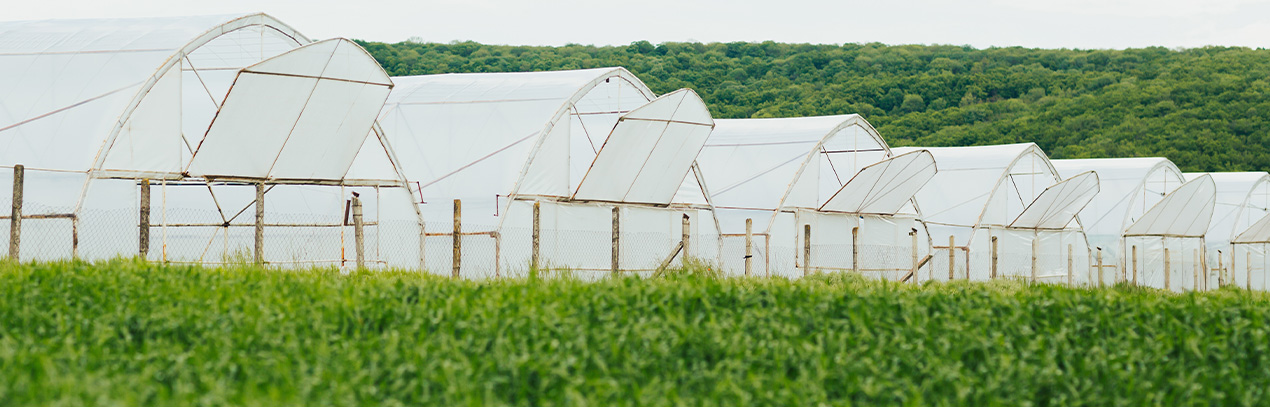
The applications of plastic materials are very diverse, for use in agriculture, the formulation and development of plastic films for greenhouse covers, macrotunnels and microtunnels and for soil padding stands out. Among the most used plastic materials are Linear High Density Polyethylene (HDPE), Ethylvinylacetate (EVA), in the case of covers for structures, and Linear Low Density Polyethylene (LLDPE) as the main polymer for the manufacture of films for floor mulch.
Plastic films with the capacity to convert and transmit solar energy are materials of great interest for photothermal applications in agriculture. In this sense, the development of mulch films with good mechanical properties and photothermal conversion properties suitable for the agricultural field is still an urgent demand.
In recent years, graphene has attracted considerable attention due to its unique sheet structure, its extraordinary photothermal properties, and its mechanical properties.
To improve the solar conversion efficiency of plastic films, carbon-based nanomaterials such as: graphene (GnP), graphene oxide (GO) and reduced graphene oxide (RGO) can be incorporated, because they have excellent light absorption capacity with a wide spectral range (from ultraviolet to near infrared), and can convert light energy into heat energy (photothermal property).
Recent developments in the formulation of films, look for the blocking of UV radiation, the fluorescence effect, ultra-thermal films and more impermeable films. Other key properties desired in plastic films are mechanical resistance (greater durability), optical properties and anti-drip effect.
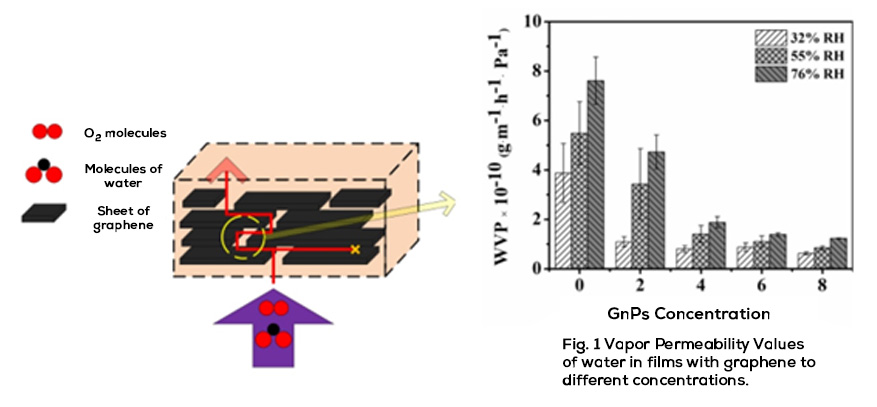
Recent studies have reported the values of water vapor permeability (WVP) in plastic films composed of graphene at different concentrations (0, 2, 4, 6 and 8% by weight). Where it was found that the water vapor permeability in the films continuously decreases (improves the barrier property) as the concentration of graphene in the films increases. This evaluation was carried out at different relative humidity (RH) percentages, where good performance in the barrier property could be observed at different humidity percentages (32%, 55% and 76%), see Fig. 1. When the graphene content increases up to 8% by weight, the WVP of the composite films decreases from 3.9 x10⁻¹⁰, 5.5 x10⁻¹⁰, and 7.6 x10⁻¹⁰g/m h Pa to 0.6 x10⁻¹⁰, 0.8 x10- 10, and 1.2 x10⁻¹⁰g/m·h·Pa at 32%, 55% and 76% relative humidity, respectively. This decrease in permeability is associated with the fact that graphene forms barriers at the molecular level in plastic films, giving rise to more tortuous paths for the diffusion of water vapor molecules or oxygen molecules, limiting their transportation through the plastic film. This reduction can also largely prevent evaporation and loss of water, a very valuable resource in these times of scarcity.
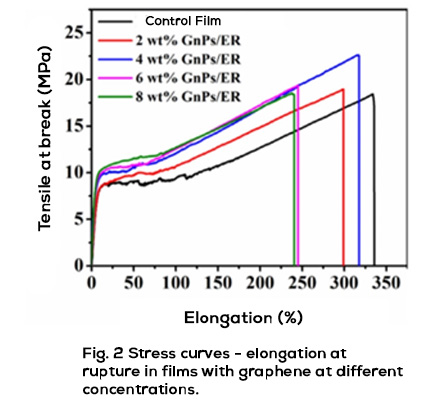
In Fig. 2, the stress curves of the graphene composite films are shown. It was found that the tensile strength of the films with graphene (2-8% by weight) increased up to 22.6 MPa compared to the virgin or control film (18.3 MPa). While the Young’s Modulus continuously increased from 95.7 to 171.2 MPa with the graphene content from 0 to 8% by weight, these results show an improvement in mechanical strength.
From the point of view of the horticulturist, the most relevant mechanical properties are: resistance to traction, tearing and impact. Tensile strength assesses the film’s ability to withstand tensile stresses and is very important when mounting the film to the padding.
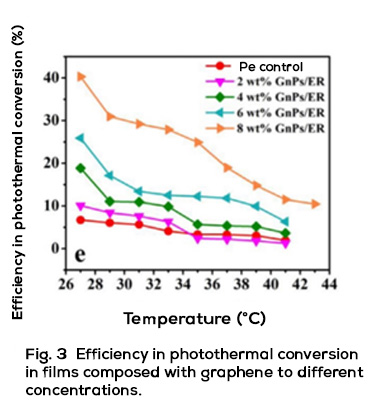
Regarding advances in polymeric compounds with graphene and derivatives in solar energy conversion applications. Fig. 3 illustrates the photothermal conversion efficiency of the films on the soil surface. The photothermal conversion efficiency of graphene composite films was observed to gradually increase with graphene content.
The films composed at concentrations of 2,4,6 and 8% by weight of graphene, showed a higher photothermal conversion efficiency (10.1, 19, 26 and 40.3%) than the control film (6.7%) for a temperature of 27° C, indicating that graphene composite films can effectively adsorb light and can convert light energy into heat input that can rapidly increase soil temperature.
Interestingly, all graphene composite films showed better photothermal conversion performance to increase soil temperature compared to the control group. These results indicate that the composite films have good mechanical properties and adequate photothermal conversion properties that can potentially be used in mulch films to improve soil temperature and maintain soil moisture, which is beneficial for plant growth and production. agricultural crops.
Currently Energeia – Graphenemex®, a leading Mexican company in Latin America in research and production of graphene materials for the development of applications at an industrial level, through its Graphenergy Masterbatch line, has developed and sells a wide range of masterbatches with graphene (graphene concentrate), with polymers widely used in agriculture and/or horticulture, such as LLDPE, LDPE, and HDPE. Our Masterbatches are granulated materials that act as multifunctional reinforcements for the production of more resistant plastic films with lower permeability and with a high degree of photothermal conversion.
References
Melt processing and properties of linear low density polyethylene-graphene nanoplatelet composites. P. Khanam, M.A. AlMaadeed, M. Ouederni, E. HarkinJones, B. Mayoral, A. Hamilton, D. Sun. 2016, Vacuum , Vol. 130, págs. 63-71.
Sun, Q., Geng, Z., Dong, J., Peng, P., Zhang, Q., Xiao, Y., & She, D. (2020). Graphene nanoplatelets/Eucommia rubber composite film with high photothermal conversion performance for soil mulching. Journal of the Taiwan Institute of Chemical Engineers.
Effect of functionalized graphene on the physical properties of linear low density polyethylene nanocomposites. T. Kuila, S. Bose, A. K. Mishra, P. Khanra, N. H. Kim, J. H. Lee. 2012, Polymer Testing, Vol. 31, págs. 31-38.
The ingredient that will transform the plastics industry:
Discover the benefits of Graphenemex graphene masterbatches as a nucleation agent
The plastics industry constantly demands new reinforcements or additives that allow the improvement of plastic materials, both for commercial and engineering use. In recent years, the use of graphene and its derivatives (graphene oxide, GO) has been promoted as new reinforcements for different polymer matrices.
Graphene is a nanomaterial (nanometric particle) that has extraordinary electrical, optical, thermal properties and high mechanical resistance. The properties of graphene are attributed to its structure in the form of two-dimensional (2D) sheets, formed by carbon atoms linked in a hexagonal manner and a thickness of one carbon atom.
The incorporation of graphene materials in polymers allows the development of polymeric compounds with greater mechanical resistance, greater impact resistance, resistance to UV radiation and greater thermal stability, among other properties. This allows obtaining better materials, with great potential and a wide range of applications for different sectors (automotive, aerospace, electronics or packaging).
In general when we talk about traditional polymeric compounds, they are materials that contain a quantity (~40%) of reinforcement in the polymeric matrix. In contrast, polymeric compounds with graphene (nanocomposites), graphene improves the properties of the polymer with the use of low concentrations (<2% weight), as reinforcement. Various investigations have shown that polymers functionalized with graphene materials provide improvements in mechanical, thermal, and electrical properties. For example in:
Polypropylene / Graphene compounds, showed an increase in flexural modulus (30%) and an increase in impact resistance (40%) compared to other commercial composites.
Polystyrene/graphene compounds, showed an increase in electrical conductivity at room temperature from 0.1 to 1 S/m.
In addition to what was mentioned above, it is important to indicate that graphene materials function as nucleation agents in semicrystalline polymers. One of the most important characteristics of semicrystalline polymers is the degree of crystallinity. Many properties are influenced by the degree of crystallinity of the polymers.
While crystallinity in metals and ceramics implies the arrangement or arrangement of atoms and ions, in polymers it implies the arrangement of molecules and, therefore, the complexity is greater. Polymer crystallinity can be thought of as the packing of molecular chains to produce an ordered atomic arrangement. Because polymer molecules are large and complex, they are often partially crystalline (semi-crystalline) with scattered crystalline regions within an amorphous material. In the amorphous region, disordered chains appear, a very common condition due to twists, folds and folds of the chains that prevent the ordering of each segment of each chain.
In general, few polymers have a sufficient structure to crystallize and even in these cases, it is never possible to achieve 100% crystalline structure and the degree of crystallization (Xc) must be determined, that is, the fraction of the polymer that presents a crystalline structure in relation to the total polymer, the rest will be amorphous.
The general tendency of the addition of nucleating agents in polymeric matrices is the acceleration or retardation of crystallization, changes in the size of the spherulites, changes in the morphology and in some cases changes in the crystal structure. If we focus on the effect of graphene materials on the crystallinity of polymers, we can summarize that; Graphene materials make it possible to control the size of spherulites (crystal growth) in polymeric compounds, which leads to controlling the crystalline zones, which are responsible for mechanical resistance, and the amorphous zones (associated with flexibility and elasticity). of the material). In addition to improving interfacial adhesion in polymer matrices with polar groups, such as nylon 6,6. On the other hand, another advantage of graphene materials as a nucleating agent in polymeric compounds is that the crystallization temperature (Tc) increases as the amount of graphene increases because the crystallization of the melt is promoted, that is, Less energy is needed to cool the molten polymer, saving time and energy.
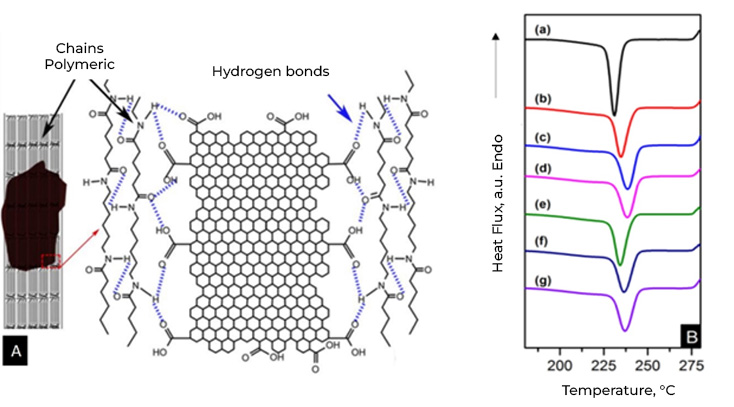
A. Intramolecular bonding in Nylon 6,6/GO Nanocomposites. B. DSC thermograms. Cooling: (a) PA66, (b) PA66/01RGO, (c) PA66/05RGO, (d) PA66/10RGO, (e) PA66/01GO, (f) PA66/05GO, (g) PA66/10GO. Taken from Materials 2013,6.2
Currently Energeia – Graphenemex®, a leading Mexican company in Latin America in research and production of graphene materials for the development of applications at an industrial level, through its Graphenergy Masterbatch line, has developed and sells a wide range of masterbatches with graphene, based on various polymers, such as PP, HDPE, LDPE, PET and PA6. Our Masterbatches are granular materials that act as multifunctional reinforcements and effective nucleating agents.
References
Gong, L., Yin, B., Li, L., & Yang, M. (2015). Nylon-6/Graphene composites modified through polymeric modification of graphene. Composites Part B: Engineering, 73, 49–56.
Fabiola Navarro-Pardo, Gonzalo Martínez-Barrera, Ana Laura Martínez-Hernández, Víctor M. Castaño. Effects on the Thermo-Mechanical and Crystallinity Properties of Nylon 6,6 Electrospun Fibres Reinforced with One Dimensional (1D) and Two Dimensional (2D) Carbon. Materials 2013, 6.
Zhang, F.; Peng, X.; Yan, W.; Peng, Z.; Shen, Y. Nonisothermal crystallization kinetics of in-situ nylon 6/graphene composites by differential scanning calorimetry. J. Polym. Sci. Part B. Polym. Phys. 2011, 49, 1381–1388.
Yun, Y.S.; Bae, Y.H.; Kim, D.H.; Lee, J.Y.; Chin, I.J.; Jin, HJ. Reinforcing effects of adding alkylated graphene oxide to polypropylene. Carbon 2011, 49, 3553–3559.
Innovation in the production of composite materials:
the use of graphene in pultrusion
Fiber-reinforced polymeric composites are widely used in the aerospace, automotive, naval, and wind power generation sectors due to their lightweight properties and high mechanical strength. These materials are a booming alternative to replace other materials such as metals.
At present there are different methods for the manufacture of fiber-reinforced composites, among which the pultrusion method stands out. A highly efficient and automated method that allows control of process parameters (greater precision and accuracy), reducing variability in the production of parts.
Pultrusion is a production process for reinforced materials where two components can be distinguished, the matrix or continuous phase and the reinforcement or discontinuous phase. The matrix acts as a bonding agent, in which the reinforcement is embedded. The function of the matrix is to transfer the load to the fibers, keep the fibers in their position, prevent the propagation of cracks, provide physical and chemical properties of the composite and also define the temperature range that the composite material can withstand. The matrix is thermosetting or thermosetting (unsaturated polyester, epoxy resins or vinyl-ester resins). On the other hand, the reinforcement has the purpose of adding some property that the matrix does not have, such as increasing mechanical resistance, rigidity, resistance to abrasion or improving its performance when exposed to high temperatures. The reinforcement efficiency is greater, the smaller the size of the particles or the diameter of the fiber and the more homogeneously they are distributed in the matrix. The most used fibers are glass, carbon and aramid due to their high tensile strength.
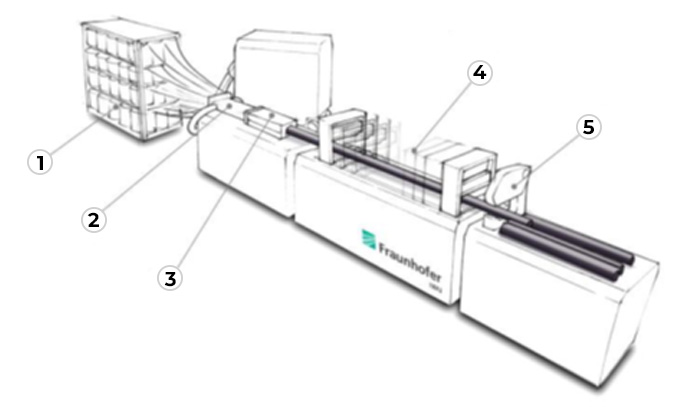
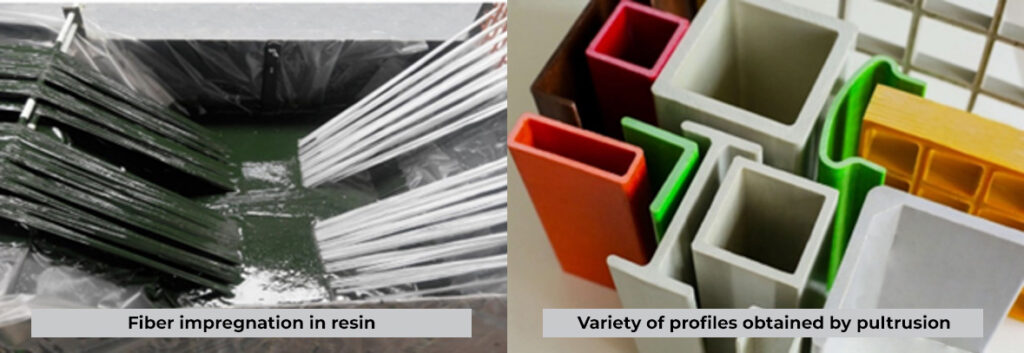
The pultrusion process (Figure 1) is continuous and is used to manufacture parts with a constant cross section, such as poles, rods, automotive moldings, etc. In the first feeding stage, the reinforcing fibers go through a perforated plate for alignment, then they go through a pre-molding where a fabric is added to reinforce the fiber. Later, in the second stage, the fibers are impregnated with liquid resin and go to a pre-forming stage where the fibers are oriented before entering the mold. In the third stage (molding), the cross section of the part is shaped, and the resin is hardened by applying heat. During the application of heat in the mold, there are three phases: pre-heating of the matrix and reinforcement, activation of the polymerization catalyst and curing of the material. The profile then exits the mold as a thermoset material and passes into a continuous traction mechanism that pulls the material at a constant speed (fourth stage)). Finally, in the fifth stage, a disk saw cuts the profile to the desired length. The profile of the reinforced composite obtained is a completely rigid material, which does not soften and is insoluble with the ability to withstand high temperatures.
Figure 1. General scheme of the pultrusion process: (1) Feeding, (2) Impregnation, (3) Molding, (4) Traction device and (5) Saw (Cutting).
Currently, the main applications of this process are focused on the manufacture of materials for construction, transport, and consumables, for example: vehicle construction, thermal insulation, cable ducts, covers and grids for water treatment plants, beam profiles, building facades, windows, bridges, stairs, among others.
However, there are still limitations in this technology, the low chemical interaction of the fiber with the matrix (resin) leads to a weak interface bond strength between both phases (low chemical adhesion), which makes the behavior of interlaminar shearing and performance of composite materials is not entirely satisfactory. In other words, if the matrix is brittle, spontaneous rupture can be generated. This behavior makes it possible to measure the resistance to interlaminar shearing. Depending on the type of break, the resistance of the matrix material or the quality of the fiber-matrix bond can be characterized.
In recent years, it has been reported that the introduction of functionalized graphene oxide (GO) on the surface of the fibers is an effective method to improve the interfacial properties of composite materials, since the large surface area of graphene oxide allows covering the surface of the fibers, increasing the strength of the chemical bond between the fiber and the matrix, thus improving the mechanical resistance of the reinforced composites. In addition, graphene oxide helps to improve the resistance to interlaminar fracture of the composite material, inhibiting the initiation and propagation of cracks.
The addition of graphene oxide to reinforced polymeric composites offers numerous advantages for the development of advanced materials in a wide variety of applications due to its large surface area, which has a strong impact on mechanical strength properties, greatly improving properties such as modulus, toughness, and fatigue. On the other hand, graphene oxide can provide compounds with greater resistance to fire. Its efficiency is associated with the fact that graphene oxide has a strong barrier effect, high thermal stability, and great surface absorption capacity, which are favorable for effectively reducing heat and mass transfer.
Currently, Energeia – Graphenemex®, a leading Mexican company in Latin America in the research and production of graphene materials for the development of applications at an industrial level, sells graphene and graphene oxide that can be incorporated or dispersed in any matrix (resin) during the pultrusion process and with them improve the mechanical properties of the profiles or products.
The incorporation of graphene materials (graphene, graphene oxide) in the pultrusion process, provide improvements in the characteristics of the final product, which include:
Greater tensile strength. Tensile strength can increase up to 30% compared to a standard profile without graphene.
Production of lighter weight profiles since graphene allows the weight of the product to be reduced without affecting its mechanical properties.
Profiles with higher modulus of elasticity.
Greater resistance to corrosion and fire-retardant properties.
Greater resistance to fractures or fissures.
References
Yuxin He, Qiuyu Chen. Effect of multiscale reinforcement by fiber surface treatment with polyvinyl alcohol/graphene oxide/oxidized carbon nanotubes on the mechanical properties of reinforced hybrid fiber composites. Composites Science and Technology 204 (2021).108634.
Jonas H. M. Stiller, Kristina Roder, David Lopitz. Combining Pultrusion with carbonization: Process Analysis and materials properties of CFRP. Ceramics 2023, 6. 330-341.
Dittrich B, Wartig K-A, Hofmann D, Mu¨lhaupt R, Schartel B. Flame retardancy through carbon nanomaterials: carbon black, multiwall nanotubes, expanded graphite, multi-layer graphene and graphene in polypropylene. Polym Degrad Stab 98:1495.
Improve safety with flame retardant polymeric compounds
with graphene oxide
Polymeric compounds (engineering plastics) are widely used in the automotive, construction, food, aerospace and other sectors. Its use is based on the weight/resistance ratio, physical stability, chemical resistance and corrosion resistance.
However, most polymers, due to their nature, are flammable and combustible. That is, they are materials that catch fire quickly when exposed to fire, undergoing degradation, Veo complicadoand releasing heat to later start the propagation of the flames. During the combustion of polymers, they release smoke (soot) and toxic gases that are a danger to the safety of human life and property.
Four key components are involved during the combustion of polymeric materials: heat, oxygen, fuel, and free radical reaction. Flame retardancy of polymeric composites can be achieved by inhibiting or perturbing one or more of these components.
In recent years, multiple investigations have been carried out to develop additives that help inhibit or reduce the flammability of polymers, these additives are known as flame retardants.
Conventional flame retardants can be classified into two main categories, based on their components: inorganic flame retardants and organic flame retardants. The first include hydroxide, metal oxide, phosphate, silicate among others. They have excellent thermal stability, are non-toxic, are low cost and do not produce pollution. However, inorganic flame retardants are limited by high loading, low compatibility, and aggregation. On the other hand, organic flame retardants include flame retardants containing halogens, phosphorous, phosphorous-nitrogen, etc. The latter have high efficiency and good compatibility with polymers. Their main disadvantage is that they are restricted because they can release toxic gases and be harmful during combustion, endangering the health of people and the environment.
Graphene oxide (GO) is currently the most novel nanomaterial for use as a flame retardant because it exhibits high efficiency as a retardant with low loads and is non-toxic. Its efficiency is associated with the fact that graphene oxide has a strong barrier effect, high thermal stability and great surface absorption capacity, which are favorable for reducing heat and mass transfer.
Graphene-based flame retardants can improve the flame resistance of polymers by inhibiting the two key terms: heat and fuel. More specifically, graphene oxide can function as a flame retardant in different synergistic ways.
First of all, GO has a unique two-dimensional layer structure and can promote the formation of a continuous dense layer of carbon during the combustion process. Carbon can act as a physical barrier to prevent heat transfer from the heat source and delay the escape of products (pyrolysis) from the polymeric substrate.
Second, GO has a large specific surface area and can effectively adsorb flammable volatile organic compounds or hinder their release and diffusion during combustion.
Third, GO contains abundant reactive oxygen-containing groups (carboxyl group at the edges, as well as epoxy and hydroxyl groups at the basal planes in the sheets). For example, oxygen-containing groups can undergo decomposition and dehydration at low temperatures, thus absorbing heat and cooling the polymeric substrate during combustion. Meanwhile, the gases generated by dehydration can dilute the oxygen concentration around the ignition periphery, decreasing the risk of fire spread.
It can also modify the rheological behavior of the polymer and prevent its dripping, thus hindering the release and diffusion of volatile decomposition products through the ”maze effect” and affecting the flame retardancy of compounds (for example, modifying the UL-94 classification, oxygen index (OI) and time to ignition (TTI).
In studies carried out, it has been found that the incorporation of functionalized graphene oxide (5% by weight) in Polypropylene (PP) increased the Young’s modulus and the elastic limit of PP by 53% and 11%, respectively. While in the results of the flammability test (UL-94), it indicates that the presence of GO produces a change in the behavior of the melt and prevents the material from dripping.
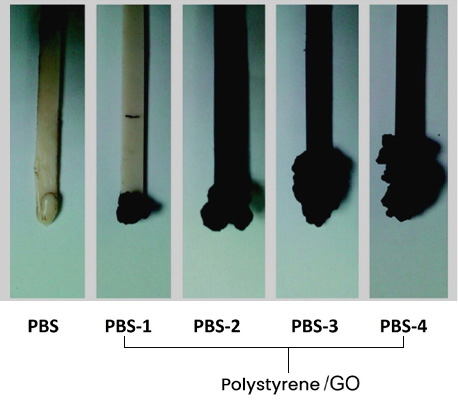
On the other hand, the preparation of polymeric compounds in melt blending (extrusion) of Polystyrene/GO have been reported, where it was found that GO (5%) can promote carbonization on the polymer surface (layer of carbonized material). and inside, the presence of a load or filler that presents high resistance to heat and contributes to the formation of carbon residues, improving the flame resistance of polystyrene-based compounds.
Currently Energeia – Graphenemex®, a leading Mexican company in Latin America in research and production of graphene materials for the development of applications at an industrial level, through its Graphenergy Masterbatch line, has developed a wide range of masterbatches with graphene oxide, based on various polymers, such as PP, HDPE, LDPE, PET and PA6.
The incorporation of graphene and graphene derivatives (GO) to polymeric matrices has allowed the development of polymeric compounds with better mechanical properties, greater thermal stability, gas barrier capacity and reduced flammability of polymeric compounds.
References
Han Y, Wu Y, Shen M, Huang X, Zhu J, Zhang X. Preparation and properties of polystyrene nanocomposites with graphite oxide and graphene as flame retardants. J Mater Sci 48:4214.
Hofmann D, Wartig K-A, Thomann R, Dittrich B, Schartel B, Mu¨lhaupt R. Functionalized graphene and carbon materials as additives for melt-extruded flame retardant polypropylene. Macromol Mater Eng 298:1322.
Dittrich B, Wartig K-A, Hofmann D, Mu¨lhaupt R, Schartel B. Flame retardancy through carbon nanomaterials: carbon black, multiwall nanotubes, expanded graphite, multi-layer graphene and graphene in polypropylene. Polym Degrad Stab 98:1495.
We want to be close to you
We ask for your data to support you in any technical questions you may have.
[contact-form-7 id=”294823″ title=”HS | Aditivos de Concreto – EN”]
We want to be close to you
We ask for your data to support you in any technical questions you may have.
Queremos estar cerca de ti
Pedimos tus datos para apoyarte en cualquier duda técnica que tengas.
We want to be close to you
We ask for your data to support you in any technical questions you may have.
[contact-form-7 id=”d1da5ad” title=”HS | Masterbatch de Tereftalato de Polietileno con óxido de grafeno EN”]
We want to be close to you
We ask for your data to support you in any technical questions you may have.
We want to be close to you
We ask for your data to support you in any technical questions you may have.
Queremos estar cerca de ti
Pedimos tus datos para apoyarte en cualquier duda técnica que tengas.
Queremos estar cerca de ti
Pedimos tus datos para apoyarte en cualquier duda técnica que tengas.
Queremos estar cerca de ti
Pedimos tus datos para apoyarte en cualquier duda técnica que tengas.
Queremos estar cerca de ti
Pedimos tus datos para apoyarte en cualquier duda técnica que tengas.
Queremos estar cerca de ti
Pedimos tus datos para apoyarte en cualquier duda técnica que tengas.
Queremos estar cerca de ti
Pedimos tus datos para apoyarte en cualquier duda técnica que tengas.
Queremos estar cerca de ti
Pedimos tus datos para apoyarte en cualquier duda técnica que tengas.
Queremos estar cerca de ti
Pedimos tus datos para apoyarte en cualquier duda técnica que tengas.
Queremos estar cerca de ti
Pedimos tus datos para apoyarte en cualquier duda técnica que tengas.
Queremos estar cerca de ti
Pedimos tus datos para apoyarte en cualquier duda técnica que tengas.
Queremos estar cerca de ti
Pedimos tus datos para apoyarte en cualquier duda técnica que tengas.
Queremos estar cerca de ti
Pedimos tus datos para apoyarte en cualquier duda técnica que tengas.
Queremos estar cerca de ti
Pedimos tus datos para apoyarte en cualquier duda técnica que tengas.
Queremos estar cerca de ti
Pedimos tus datos para apoyarte en cualquier duda técnica que tengas.